<!DOCTYPE html>
<html lang="en">
<head>
    <meta charset="UTF-8">
    <meta name="viewport" content="width=device-width, initial-scale=1.0">
    <title>Paul's Valley School Shooting: Understanding the Tragedy and Its Global Impact</title>
</head>
<body>
    <article>
        <h1>Paul's Valley School Shooting: Understanding the Tragedy and Its Global Impact</h1>

        <p>The small city of Pauls Valley, Oklahoma, became the epicenter of national attention in 2023 when a school shooting at Pauls Valley High School left the community grappling with grief and raised urgent questions about school safety in America.</p>

        <p>On March 10, 2023, a 16-year-old student opened fire inside the high school, injuring seven people before being disarmed and detained by staff and law enforcement. The incident shocked a nation already weary from repeated acts of school violence. While the scale was smaller than some infamous shootings, its impact rippled through communities far beyond Oklahoma, prompting renewed debates on mental health, gun control, and the role of schools in prevention.</p>

        <h2>The Incident and Immediate Response</h2>

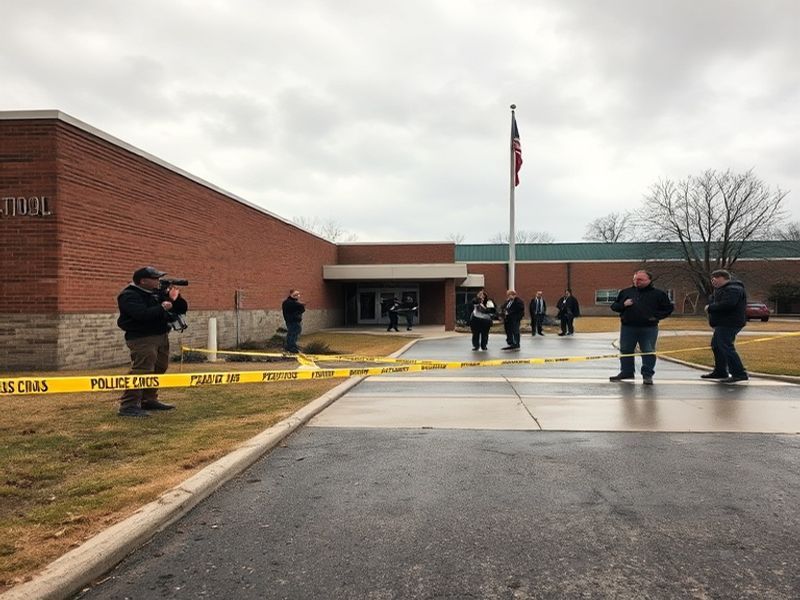
        <p>At approximately 9:15 AM, during the first period of the school day, the shooter entered Pauls Valley High School with a handgun. According to witness accounts and official reports, he fired multiple shots in a hallway near the cafeteria. Seven students were struck by gunfire, though none suffered life-threatening injuries. The shooter was quickly subdued by a school resource officer and a teacher trained in active shooter response.</p>

        <p>Emergency responders arrived within minutes, and all injured students were transported to local hospitals. The shooter was taken into custody without further incident. Police later revealed that the weapon had been taken from a family member’s home, raising concerns about secure firearm storage practices.</p>

        <p>The school was placed on lockdown, and parents were notified via emergency alert systems. The district canceled classes for the remainder of the week, shifting to virtual learning while counselors and mental health professionals were made available to students and staff.</p>

        <h2>Cultural and Global Reactions</h2>

        <p>The Pauls Valley shooting occurred amid a broader pattern of school violence in the United States. According to <a href="https://www.daveslocker.net/category/news/">News</a> coverage from the time, the U.S. had experienced over 300 incidents of gunfire on school grounds in the preceding three years—a statistic that drew international scrutiny.</p>

        <p>Media outlets around the world framed the event within the context of America’s ongoing debate over gun rights and public safety. In Europe, where strict gun laws are common, the incident was often cited as evidence of the risks associated with widespread firearm access. Meanwhile, in countries like Canada and Australia, which have implemented stricter regulations following mass shootings, observers expressed shock at the frequency of such events in the U.S.</p>

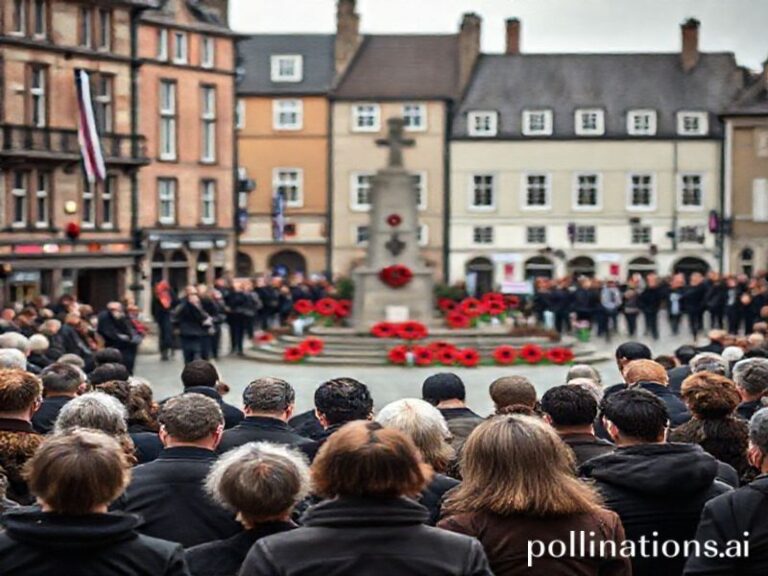
        <p>Social media platforms became arenas for both mourning and political discourse. Hashtags like #PaulsValleyStrong and #Enough trended globally, with students from other U.S. states sharing their own experiences of lockdown drills and trauma. The event also sparked solidarity vigils in cities from London to Sydney, where communities expressed solidarity with American students and educators.</p>

        <h3>International Comparisons</h3>

        <p>School shootings are relatively rare outside the United States, though they are not unheard of. For example:</p>

        <ul>
            <li><strong>Finland (2007, 2008):</strong> Two high-profile school shootings in Jokela and Kauhajoki led to stricter gun laws and increased mental health screenings for young people.</li>
            <li><strong>Germany (2009):</strong> A former student killed 15 people in Winnenden before turning the gun on himself. The tragedy prompted nationwide discussions on school security and media coverage of such events.</li>
            <li><strong>Canada (2016):</strong> A shooting at La Loche Community School in Saskatchewan resulted in four deaths and led to calls for improved mental health services in rural areas.</li>
        </ul>

        <p>In each case, the response involved a combination of legislative action and community healing. The Pauls Valley shooting, however, unfolded in a political climate where federal gun control measures faced strong opposition, limiting immediate policy changes.</p>

        <h2>Systemic Issues and Policy Debates</h2>

        <p>The shooting reignited long-standing debates about school safety, mental health, and gun regulation in the United States. Advocacy groups such as Everytown for Gun Safety and Moms Demand Action renewed calls for universal background checks, red flag laws, and safe storage requirements.</p>

        <p>Critics of current policies pointed to the shooter’s access to the firearm as a preventable oversight. Oklahoma, like many states, does not require background checks for private firearm sales or mandate safe storage laws. The incident became a focal point in discussions about how to balance Second Amendment rights with the need to protect children.</p>

        <p>School districts across the country reevaluated their safety protocols. Some introduced measures such as single-entry points, armed staff, and mental health screening programs. However, the effectiveness of these strategies remains a point of contention among educators, parents, and policymakers.</p>

        <h2>Community Healing and Long-Term Impact</h2>

        <p>In the months following the shooting, Pauls Valley High School implemented several initiatives to support students. Weekly group counseling sessions were held, and a peer support network was established to help students process their emotions. Teachers received additional training in trauma-informed instruction.</p>

        <p>The community also rallied around the victims. Local businesses donated funds for medical bills, and a student-led vigil drew hundreds of attendees. Yet, the emotional toll persisted. Some students reported increased anxiety, while others struggled with survivor’s guilt.</p>

        <p>For the shooter, who was charged as a juvenile, the legal process remained confidential. Mental health evaluations were conducted to determine appropriate sentencing and rehabilitation. The case raised questions about how the justice system should address juvenile offenders in such cases—balancing accountability with opportunities for rehabilitation.</p>

        <h2>Looking Ahead: Lessons and Challenges</h2>

        <p>The Pauls Valley shooting serves as a reminder of how quickly a community can be altered by violence. It also underscores the broader challenges of addressing school safety in a nation deeply divided on issues of gun ownership and mental health care.</p>

        <p>While technology has advanced security systems and emergency response protocols, no solution is foolproof. Communities must continue to prioritize prevention through early intervention, mental health support, and open dialogue about the risks of unsecured firearms.</p>

        <p>For Pauls Valley, the road to recovery is ongoing. But the response from its residents—students, teachers, parents, and first responders—demonstrates the resilience of small-town America in the face of tragedy. Their story is one of grief, but also of unity, determination, and hope for a safer future.</p>
    </article>

    <!-- Metadata section -->