The Gambia: Africa’s Hidden Jewel of Culture, Nature, and Resilience
The Republic of The Gambia, Africa’s smallest mainland country, stretches like a verdant ribbon along the Gambia River. Encircled almost entirely by Senegal, this narrow nation offers a unique blend of West African traditions, pristine ecosystems, and a growing reputation as a destination for eco-tourism and cultural exploration. With a population of just over two million, The Gambia stands out not for its size, but for its warm hospitality, rich history, and the resilience of its people.
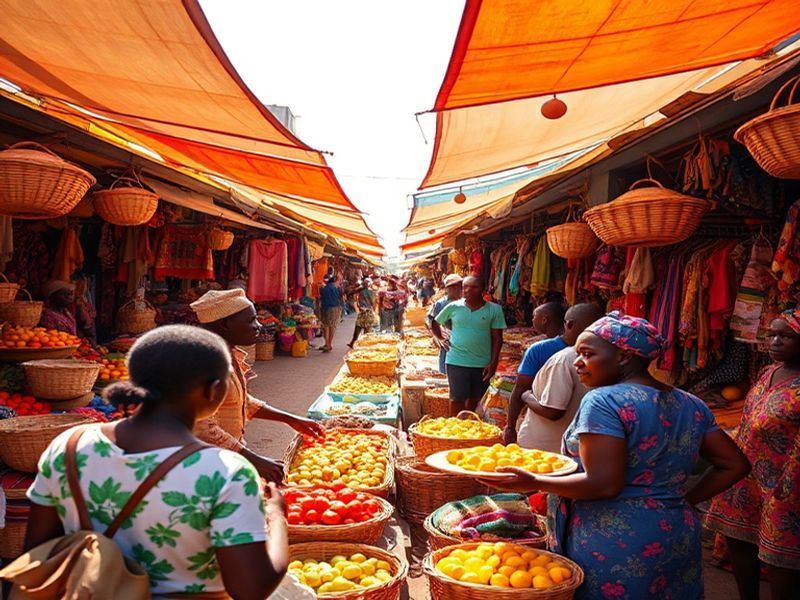
Despite its small footprint, The Gambia plays an outsized role in West African identity. It was the site of one of the most tragic chapters in global history—the transatlantic slave trade—yet today, it is also a place where reconciliation and renewal are taking center stage. From the bustling markets of Banjul to the tranquil mangroves of the river delta, The Gambia invites travelers and scholars alike to explore a nation that is both deeply connected to its past and actively shaping its future.
A Land of Rivers and Resilience
The Gambia’s geography is defined by the Gambia River, which flows 1,130 kilometers from the Fouta Djallon highlands in Guinea westward into the Atlantic Ocean. The river is the lifeblood of the country, supporting agriculture, fishing, and transportation. Its estuary is a UNESCO-listed Biosphere Reserve, a haven for birdlife, manatees, and rare primates like the Temminck’s red colobus monkey.
This riverine landscape has shaped Gambian culture for centuries. Villages along its banks rely on fishing and rice cultivation, traditions passed down through generations. The river also played a pivotal role during the colonial era, serving as a route for European traders—first in gold and ivory, then in human beings. Today, the river is a symbol of continuity, a reminder of both exploitation and endurance.
Environmental challenges loom large. Climate change threatens coastal erosion and unpredictable rainfall patterns, directly impacting food security. Yet, The Gambia has emerged as a leader in regional conservation efforts. Community-led initiatives are restoring mangrove forests, which act as natural barriers against storms and nurseries for marine life. These efforts not only protect biodiversity but also empower local women’s groups who harvest shellfish in sustainable ways.
Cultural Crossroads: Music, Storytelling, and Tradition
The Gambia is a cultural powerhouse in West Africa, renowned for its music, particularly the kora and sabar drumming. The kora, a 21-stringed harp-lute, is central to Mandinka oral tradition, often accompanying epic tales of kings and warriors. This instrument has transcended borders, thanks in part to Gambian musicians like Amadou Bansang Jobarteh and the legendary Dembo Konteh, who introduced the kora to global audiences.
Sabar drumming is equally iconic. Originating from the Serer and Wolof communities, it pulses through life events—births, weddings, and funerals. The rhythmic patterns are not just music; they are a living archive of Gambian history and social values. Tourists can experience sabar firsthand during cultural festivals like the Roots Homecoming Festival, which celebrates Gambian heritage and the transatlantic links to the African diaspora.
Storytelling remains a cornerstone of Gambian identity. Griots, or jalis, serve as oral historians, poets, and musicians, preserving the memory of empires like the ancient Ghana and Mali. Their craft is more than entertainment; it is a form of resistance against cultural erasure. In a digital age where oral traditions face displacement, The Gambia’s griots are finding new platforms—podcasts, YouTube channels, and international collaborations—to keep these stories alive.
Tourism with Purpose: From Beach Resorts to Community Experchanges
Tourism in The Gambia has evolved significantly over the past decade. Once known primarily for its Atlantic beaches and all-inclusive resorts catering to European travelers, the industry is shifting toward sustainable and community-based models. Visitors now have the opportunity to stay in eco-lodges, participate in bird-watching tours, or join guided walks through sacred forests where ancestral spirits are said to reside.
A growing trend is volunteer tourism, where travelers contribute to local development projects. Organizations like the Gambia Horse and Donkey Trust provide veterinary care to working animals, while women-led cooperatives in rural areas teach visitors about traditional weaving and tie-dye techniques. These exchanges foster mutual understanding and give travelers a chance to see The Gambia beyond the tourist facade.
One of the most transformative experiences is visiting the Kunta Kinteh Island and related slave trade sites. These locations, once symbols of oppression, are now spaces of education and remembrance. The Gambia’s government, in partnership with UNESCO, has developed interpretive trails and museums to honor the victims of slavery while emphasizing themes of reconciliation and human dignity.
Economy and Governance: Challenges and Progress
The Gambia’s economy is diverse but fragile. Tourism accounts for nearly 20% of GDP, while agriculture employs about 70% of the labor force. Groundnuts, rice, and millet are staples, but climate variability and global market fluctuations pose constant risks. The country has also become a hub for remittances, with Gambians abroad—particularly in Europe—sending vital funds home.
Politically, The Gambia has undergone a dramatic transformation. After 22 years under the authoritarian rule of Yahya Jammeh, the country held free elections in 2016, ushering in a new era of democracy under President Adama Barrow. The transition has not been without challenges—political divisions persist, and economic recovery is slow. Yet, the relative freedom of the press and active civil society groups signal a cautious optimism.
Economic diversification is a national priority. Initiatives in renewable energy, particularly solar power, are gaining traction. The Gambia’s first utility-scale solar plant, completed in 2020, now supplies electricity to thousands of rural households. Meanwhile, the fishing industry, though threatened by overfishing and foreign trawlers, remains a key employer and exporter of high-value species like octopus and shrimp.
The Gambian Diaspora: A Bridge Across Continents
The Gambian diaspora is a vital force, with large communities in the United Kingdom, United States, and Scandinavia. Many left during the 1980s and 1990s due to political instability or economic hardship. Today, they play a crucial role in development through remittances, philanthropy, and advocacy.
Culturally, the diaspora has enriched both Gambian and host nations. Gambian restaurants in London and New York serve up dishes like benachin (a one-pot rice dish with fish or meat) and domoda (peanut stew), becoming ambassadors of flavor. Meanwhile, Gambian musicians and athletes—including football stars like Sadio Mané—shine on global stages, bringing international attention to their homeland.
Diaspora engagement is now formalized through programs like the Gambia Diaspora Engagement Conference, which encourages investment in sectors such as healthcare, education, and renewable energy. These connections are not just financial; they are emotional and intellectual, keeping the spirit of The Gambia alive across oceans.
Conclusion: A Nation on the Rise
The Gambia may be small in size, but its cultural legacy, ecological richness, and resilient people make it a nation of outsized influence. It is a place where the echoes of history resonate with the rhythms of daily life, where the river carries both the weight of the past and the promise of renewal. As climate change and globalization reshape the world, The Gambia offers a model of how tradition and innovation can coexist.
For travelers, it is a destination that rewards curiosity and humility. For scholars, it is a living laboratory of African resilience. And for Gambians at home and abroad, it is a source of pride and a call to action. In a continent often defined by its challenges, The Gambia reminds us that identity, sustainability, and hope can flourish even in the narrowest of spaces.
Whether you are drawn by the call of the kora, the mystery of the mangroves, or the stories of those who refused to be silenced, The Gambia welcomes you—not as a conqueror, but as a guest in a land that has much to teach the world.