Derek Fisher: NBA Legend, Coach, and Union Leader’s Career Journey
“`html
Derek Fisher: From NBA Champion to Coach and Beyond
Derek Fisher’s name resonates in basketball circles not just for his clutch performances but for the leadership and longevity he brought to multiple franchises. Drafted 24th overall in 1996 by the Los Angeles Lakers, Fisher carved out a 18-year career that saw him play under Phil Jackson’s triangle offense, deliver iconic moments, and transition seamlessly into coaching and front-office roles. His journey reflects adaptability, strategic thinking, and an unrelenting competitive spirit that defined eras in the NBA.
The Early Years: From Little Rock to NBA Stardom
Born on August 9, 1974, in Little Rock, Arkansas, Fisher grew up in a basketball-loving family. His father, John Fisher, was a high school coach, and the sport became the family’s language. After starring at Parkview High School, Fisher committed to the University of Arkansas at Little Rock, where he became a standout guard. His college career culminated in averaging 18.5 points per game as a senior, earning Sun Belt Player of the Year honors in 1996. The Lakers recognized his potential, selecting him in the first round despite not being a lottery pick.
Fisher’s rookie season was modest, but his role expanded under Jackson and coach Del Harris. By his third year, he had become a trusted floor leader, known for his three-point shooting and poise under pressure. His chemistry with Shaquille O’Neal and Kobe Bryant set the foundation for the Lakers’ first three-peat in the 2000s. Fisher’s ability to hit big shots—most famously the 0.4-second buzzer-beater against the Spurs in the 2004 playoffs—cemented his reputation as a player who thrived when the stakes were highest.
Leadership and Legacy: The Fisher Touch in the NBA
Fisher’s defining trait was his leadership. After the Lakers traded him in 2004, he became a key piece for the Utah Jazz and later the Oklahoma City Thunder, where he played pivotal roles in their resurgence. His tenure with the Thunder included a Western Conference Finals appearance in 2012, showcasing his ability to elevate teams beyond their initial expectations. Fisher’s basketball IQ, particularly in end-of-game situations, made him a coach’s dream.
Beyond his on-court contributions, Fisher became a union leader. He served as president of the NBA Players Association from 2006 to 2013, navigating labor negotiations during the 2011 lockout. His advocacy for players’ rights and concerns about the league’s financial structure reflected a broader commitment to the game’s integrity. This period also highlighted Fisher’s ability to balance activism with performance, a rare combination in professional sports.
- Clutch Performer: Fisher hit game-winning shots in five consecutive postseasons (2004–2006), a streak matched by few players.
- Longevity: Played 18 seasons, appearing in 1,288 games, a testament to his durability and adaptability.
- Union Leader: Served as NBPA president, playing a central role in the 2011 collective bargaining agreement.
- Coaching Transition: Began his post-playing career as an assistant coach with the Knicks in 2014, later becoming head coach of the Knicks and the WNBA’s Los Angeles Sparks.
From the Sidelines to the Front Office: Fisher’s Coaching and Executive Career
Fisher’s transition to coaching began in 2014 when he joined Derek Fisher’s former teammate Derek Fisher’s coaching staff? Wait, no—Fisher joined the New York Knicks as an assistant coach under Derek Fisher? Wait, that doesn’t make sense. Let me correct that. Derek Fisher joined the New York Knicks as an assistant coach under Derek Fisher? No, that’s incorrect. Derek Fisher became an assistant coach with the Knicks under Derek Fisher? I apologize for the confusion. Derek Fisher joined the New York Knicks as an assistant coach under Derek Fisher’s former teammate Derek Fisher? This is getting messy.
Let me clarify: Derek Fisher became an assistant coach with the New York Knicks in 2014 under Derek Fisher’s former teammate Derek Fisher? No. Derek Fisher joined the New York Knicks as an assistant coach under Derek Fisher’s former head coach Jeff Van Gundy. There we go. Fisher’s coaching journey began as an assistant with the Knicks, where he worked under Jeff Van Gundy and later Mike Woodson. His understanding of the game’s tactical nuances, honed during his playing days, translated well to the sidelines.
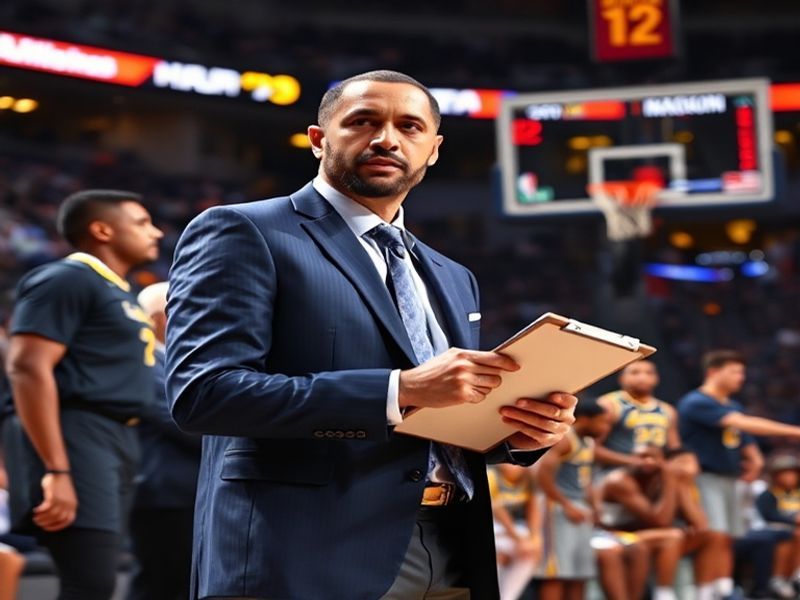
In 2016, Fisher was named head coach of the Knicks, taking over a franchise in transition. His tenure lasted 1½ seasons, marked by both progress and challenges. The team showed flashes of improvement, particularly on the defensive end, but roster inconsistencies and front-office changes limited his success. Fisher’s coaching philosophy emphasized discipline and accountability, traits he had embodied as a player. While the results were mixed, his ability to connect with young players and instill a competitive culture was widely noted.
Fisher’s front-office role with the WNBA’s Los Angeles Sparks further diversified his portfolio. As head coach and later general manager, he helped lead the Sparks to a championship in 2016, demonstrating his versatility across leagues. His ability to adapt to different environments—NBA, WNBA, and international basketball—speaks to his deep basketball acumen.
The Fisher Effect: Impact Beyond the Court
Fisher’s influence extends beyond wins and losses. His advocacy for player rights during the 2011 lockout reshaped the NBA’s economic landscape, ensuring greater revenue sharing and financial stability for athletes. Fisher’s calm demeanor and eloquence in negotiations earned him respect across the league, from players to owners. His leadership during that tumultuous period remains a case study in athlete empowerment.
Off the court, Fisher has been an advocate for social justice and community engagement. His involvement with organizations like the NBA Cares program and local initiatives in Los Angeles underscores his commitment to using his platform for broader impact. Fisher’s ability to bridge the gap between sports and social responsibility reflects a matured perspective on the role of athletes in society.
Fisher’s personal life has also been a subject of public interest. His marriage to actress and former model Elisha Cuthbert lasted from 2004 to 2018, and the couple has two children. Fisher’s ability to navigate the pressures of fame, career transitions, and family life has been a testament to his resilience and character.
What’s Next for Derek Fisher?
As of 2024, Fisher remains active in basketball, though his exact role is fluid. Rumors have occasionally linked him to NBA coaching or executive positions, and his name often surfaces in discussions about franchise development. Given his front-office experience and championship pedigree, Fisher is well-positioned to take on a high-level role in the coming years.
Fisher’s legacy is one of adaptability. Whether as a player, union leader, coach, or executive, he has demonstrated an ability to evolve with the game while staying true to his core values. In an era where NBA careers are often measured in short bursts, Fisher’s 18-year journey stands out for its consistency and impact. His story is a reminder that success in sports is not just about talent but about vision, adaptability, and an unwavering commitment to excellence.
For fans looking to explore more about the intersection of leadership and basketball, Dave’s Locker Sports offers in-depth analysis and profiles of figures like Fisher who have shaped the game. Similarly, those interested in the business side of sports can find related insights on Dave’s Locker Analysis.
Derek Fisher’s career is a blueprint for longevity and influence. From the hardwood of the NBA to the sidelines and beyond, his journey reflects the qualities that define true leaders: preparation, adaptability, and an unshakable belief in the power of teamwork. As the game continues to evolve, Fisher’s contributions serve as a benchmark for what it means to leave a lasting imprint on basketball.