Exploring Beirut: A City of Resilience and Rich Heritage
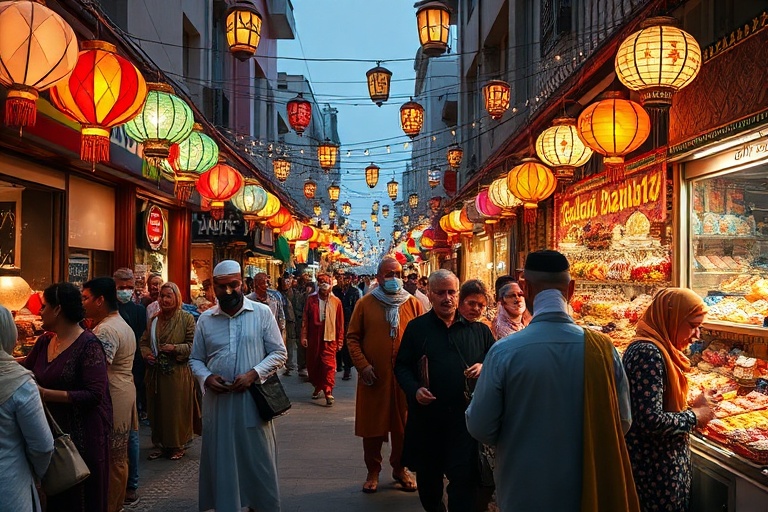
Beirut, the capital of Lebanon, is a city that embodies a unique blend of history, culture, and modernity. Known for its vibrant streets and bustling markets, Beirut has long been a center of trade and culture in the Middle East. Despite facing numerous challenges, the city continues to thrive, showcasing a resilience that is both inspiring and remarkable.
A Historical Perspective
Beirut’s history dates back thousands of years, making it one of the oldest cities in the world. It has seen the rise and fall of various civilizations, including the Phoenicians, Romans, and Ottomans. Each of these cultures has left its mark, contributing to the city’s diverse architectural styles and cultural practices.
Some key historical points include:
- The Phoenician era, which established Beirut as a significant trading hub.
- The Roman period, marked by the construction of impressive structures like the Roman baths and the amphitheater.
- The Ottoman rule, which influenced the city’s urban development and cultural landscape.
Today, remnants of these eras can be seen throughout the city, from the ancient ruins in the downtown area to the Ottoman-era architecture in the neighborhoods of Achrafieh and Gemmayzeh.
Modern Challenges and Resilience
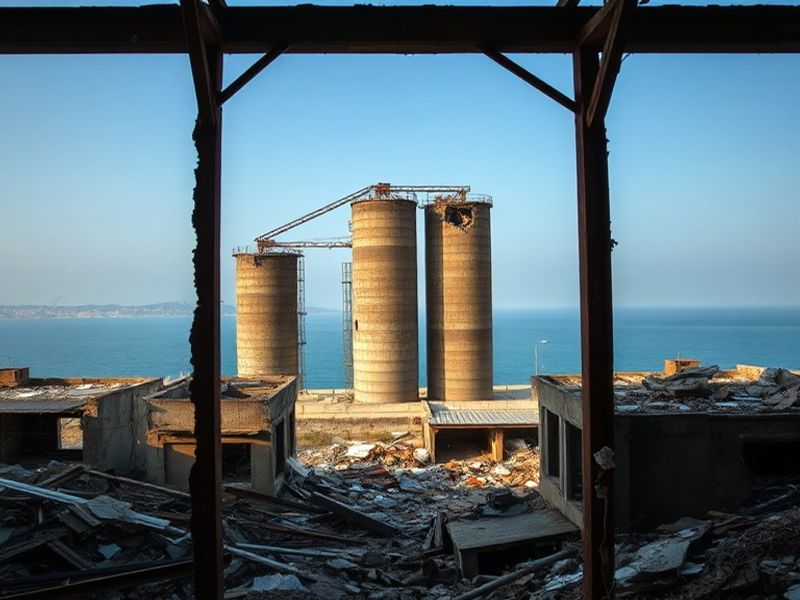
In recent years, Beirut has faced significant challenges, including political instability, economic turmoil, and the aftermath of the devastating 2020 explosion in the port area. This tragedy brought to light the city’s vulnerabilities but also highlighted the strength of its people. The response from the citizens was remarkable, with many coming together to support their neighbors and rebuild their community.
Despite these hardships, Beirut remains a city of hope and resilience. The local population is characterized by a strong sense of identity and community. Initiatives aimed at rebuilding and revitalizing the city have emerged, driven by individuals and grassroots organizations. This spirit of cooperation and determination can be seen in various projects, such as:
- Community-led cleanup efforts in affected neighborhoods.
- Local businesses banding together to support each other.
- Artistic expressions that capture the city’s journey and aspirations.
Cultural Vibrance and Culinary Delights
Beirut is not only known for its history but also for its rich cultural scene. The city is a melting pot of traditions, where diverse influences converge to create a vibrant cultural tapestry. Art galleries, theaters, and music venues abound, showcasing both local and international talent.
The culinary scene is another highlight of Beirut, offering a tantalizing array of flavors. Traditional Lebanese cuisine is celebrated for its freshness and variety, with dishes such as:
- Tabbouleh: A refreshing salad made with parsley, tomatoes, and bulgur.
- Hummus: A creamy blend of chickpeas, tahini, and olive oil.
- Kibbeh: A savory dish made with ground meat and spices.
Restaurants and street vendors alike serve these delicacies, making it easy for both locals and visitors to enjoy the authentic tastes of Lebanon. Additionally, the nightlife in Beirut is renowned, with a plethora of bars and clubs that offer everything from live music to DJ sets, making it a popular destination for those seeking entertainment.
Conclusion
Beirut is a city that embodies resilience, creativity, and a rich cultural heritage. Despite the challenges it faces, the spirit of its people shines through, making it a remarkable place to visit and experience. From its historic sites to its vibrant culinary scene, Beirut offers a unique blend of past and present that captivates all who wander its streets. As the city continues to rebuild and redefine itself, it remains a symbol of hope and perseverance in the face of adversity.
For more information on travel and culture, visit our Travel and Culture categories.