Exploring May Bank Holidays: Celebrations and Traditions Worldwide
Understanding May Bank Holidays Around the World
May bank holidays, often celebrated in various countries, serve as important cultural and social markers. These holidays usually occur in early May and offer citizens a chance to relax, celebrate, and reflect. While the specifics can vary greatly from one nation to another, the underlying significance remains consistent: a collective pause from daily routines to honor labor, spring, and other historical events.
The Origins and Significance of May Bank Holidays
The tradition of May bank holidays can be traced back to various historical events. In many countries, these holidays are linked to the International Workers’ Day, also known as Labor Day, celebrated on May 1st. This day honors the contributions of workers and the labor movement, emphasizing the importance of fair labor practices.
In addition to labor-related observances, some countries celebrate spring festivals during this time. For example, the May Day festival has roots in ancient agricultural practices, symbolizing the arrival of spring and the fertility of the earth.
Global Variations of May Bank Holidays
Different countries have unique ways of celebrating May bank holidays, reflecting their distinct cultural identities. Here are some notable examples:
- United Kingdom: The UK observes a bank holiday on the first Monday of May, known as Early May Bank Holiday. It is often associated with various local festivals, community events, and outdoor activities.
- Germany: May 1st is celebrated as Labor Day (Tag der Arbeit). The day is marked by demonstrations and parades advocating for workers’ rights and social justice.
- France: May Day (Fête du Travail) is a public holiday celebrated on May 1st. It is traditional to give lilies of the valley as a symbol of good luck and happiness.
- United States: Although Labor Day is celebrated in September, May is significant due to various state-specific holidays and festivals, such as Memorial Day, which honors military personnel.
- India: May Day is recognized as Labor Day in several Indian states, celebrating the contributions of workers to the economy.
Celebrations and Traditions
May bank holidays are often accompanied by a range of celebrations and traditions. Communities come together to host parades, festivals, and various events that reflect their cultural heritage. Here are some common activities associated with these holidays:
- Parades and Demonstrations: Many countries organize parades and demonstrations advocating for workers’ rights, labor laws, and social justice.
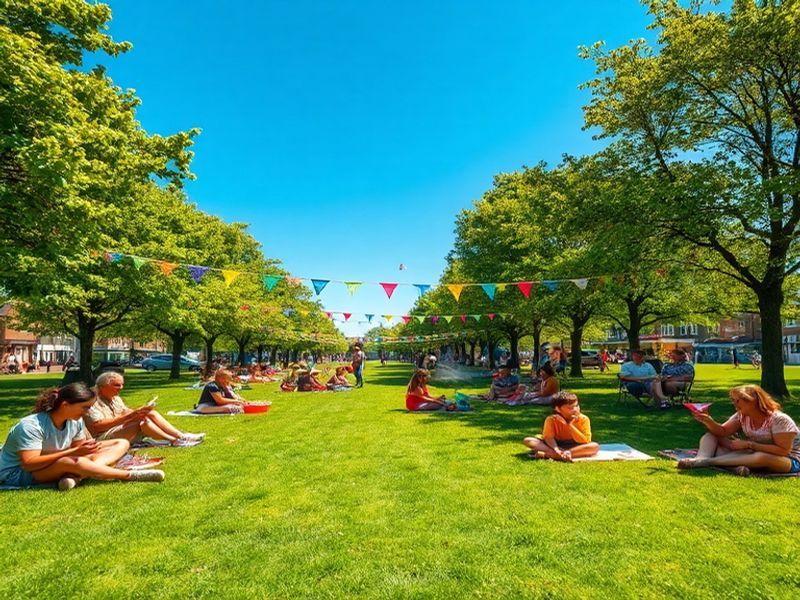
- Outdoor Activities: In places like the UK, people often engage in outdoor activities, such as picnics and sports, taking advantage of the pleasant spring weather.
- Community Festivals: Local festivals featuring music, dance, and food are common, allowing communities to showcase their traditions and foster a sense of belonging.
- Religious Observances: In some cultures, May bank holidays are tied to religious practices, where people participate in ceremonies or rituals that honor their beliefs.
These activities not only celebrate the arrival of spring but also foster community spirit and social unity. The shared experiences during these holidays often strengthen the bonds among individuals and families, making them memorable occasions.
Conclusion
May bank holidays serve as an important reminder of the value of labor, community, and cultural traditions. While the specifics may differ across nations, the core themes of celebration, reflection, and unity remain universal. As people come together to honor workers and the arrival of spring, they also create lasting memories that define their cultural identities.
For those looking to explore more about different cultural celebrations, visit our Culture section for insights on various global traditions and festivities. Additionally, check out our Sports category for information on events that bring communities together through athleticism and competition.