How The Mandalorian Redefined Star Wars and Modern TV
“`html
The Mandalorian: How a Space Western Redefined Modern TV
When The Mandalorian premiered on Disney+ in November 2019, few expected a Star Wars spin-off to become a cultural touchstone. Yet, within months, the show had captivated audiences worldwide, blending the familiar tropes of the Wild West with the futuristic allure of a galaxy far, far away. More than just another franchise installment, The Mandalorian emerged as a masterclass in serialized storytelling, proving that the Star Wars universe could thrive beyond the silver screen.
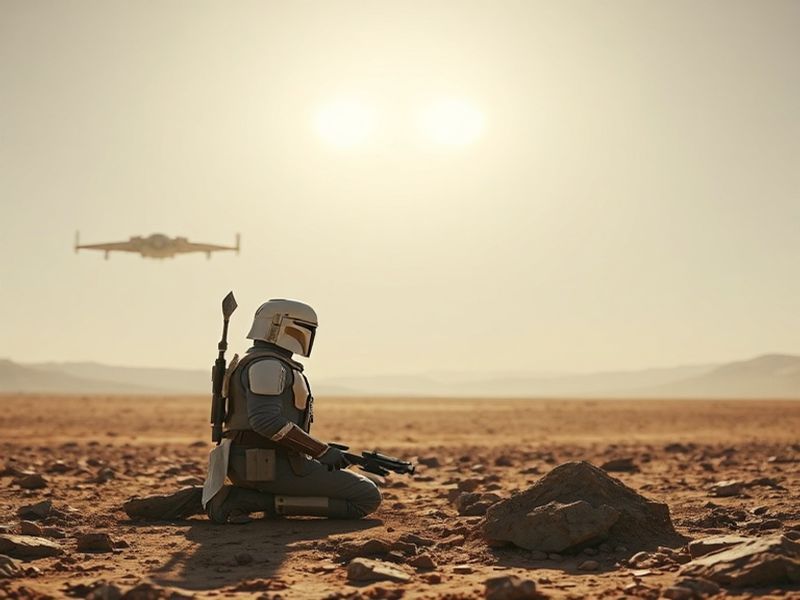
The series follows Din Djarin, a lone Mandalorian bounty hunter navigating the outer reaches of the galaxy. His journey is one of survival, honor, and unexpected kinship, particularly through his bond with Grogu, a child of his own species known affectionately as “Baby Yoda.” This dynamic became the emotional core of the show, drawing viewers into a narrative that balanced action, humor, and heartfelt moments.
The Evolution of Star Wars Storytelling
Star Wars has always been a visual and auditory spectacle, but its television ventures had struggled to replicate the magic of its films. Before The Mandalorian, the small-screen entries like Star Wars: The Clone Wars and Rebels had carved out niches, but none achieved the mainstream appeal of Jon Favreau’s creation. The show’s success hinged on several key decisions:
- Cinematic Quality: Filmed with high-end cinematography and practical effects, the series elevated the look and feel of Star Wars television.
- Serial Narrative: Unlike episodic anthologies, The Mandalorian embraced a continuous story, rewarding long-term viewers.
- Global Accessibility: Disney+’s global rollout ensured that audiences from Tokyo to Toronto could experience the show simultaneously.
The series also tapped into the nostalgia of the original trilogy while introducing fresh elements. The Mandalorian armor, for instance, evoked the rugged individualism of Clint Eastwood’s Man with No Name, while Grogu’s design paid homage to the franchise’s iconic creatures. This blend of old and new resonated with both lifelong fans and newcomers alike.
A Global Phenomenon with Local Flavors
The Mandalorian wasn’t just a hit in the United States—it became a global sensation. In Europe, fans marveled at the show’s Western influences, drawing parallels to Spaghetti Westerns and the works of Sergio Leone. Meanwhile, in Asia, where Star Wars had historically struggled to gain traction, the series found a new audience through its vibrant action sequences and emotional depth.
The show’s international appeal was further amplified by its diverse cast and settings. Characters like Cara Dune, a former Rebel shock trooper, and Kuiil, the gentle Ugnaught, added layers of complexity to the Star Wars universe. Even the show’s title—The Mandalorian—evoked a sense of cultural specificity, harkening back to the nomadic warrior cultures found in history and mythology.
In Japan, where anime and manga have long dominated pop culture, The Mandalorian was praised for its visual storytelling and minimal dialogue in key scenes. Critics noted how the show’s pacing mirrored that of classic samurai films, making it accessible to audiences familiar with Akira Kurosawa’s work. This cross-cultural exchange highlighted how The Mandalorian transcended its American roots to become a truly global narrative.
The Business of Star Wars: A New Era for Franchise TV
The success of The Mandalorian wasn’t just artistic—it was a business triumph. Disney’s decision to launch The Mandalorian as the flagship title for Disney+ paid off handsomely. The show drove subscriptions, boosted merchandise sales, and even influenced the broader streaming landscape. Competitors like Netflix and Amazon took note, investing heavily in high-budget genre series to compete.
One of the most significant impacts was the rise of the “Star Wars economy.” The show’s popularity led to a surge in demand for Mandalorian-themed products, from action figures to high-end collectibles. Even the humble Star Wars merchandise saw a renaissance, with fans eager to own a piece of Din Djarin’s legacy. This economic ripple effect extended beyond the screen, creating jobs in manufacturing, marketing, and retail.
The show also demonstrated the power of franchise synergy. The Mandalorian didn’t exist in a vacuum—it was part of a larger ecosystem that included comics, novels, and video games. This interconnected storytelling approach kept fans engaged between seasons, ensuring that the Star Wars universe remained vibrant and relevant.
The Legacy of The Mandalorian and What Comes Next
As The Mandalorian enters its fourth season, its legacy is already secure. The show proved that Star Wars could thrive on television, paving the way for future series like The Book of Boba Fett and Ahsoka. It also redefined what it meant to be a franchise property, blending old-school storytelling with modern streaming dynamics.
Looking ahead, the future of The Mandalorian seems bright. Rumors of a live-action film centered on Din Djarin have circulated, and the character’s popularity shows no signs of waning. Fans can also expect more spin-offs and expanded universe content, ensuring that the Mandalorian saga continues to grow.
For aspiring filmmakers and storytellers, The Mandalorian serves as a case study in how to revive a beloved franchise. Its success wasn’t just about nostalgia—it was about innovation, risk-taking, and a deep respect for the source material. In an era where reboots and sequels dominate, The Mandalorian stood out by carving its own path.
As the galaxy continues to expand, one thing is clear: The Mandalorian didn’t just ride into the sunset—he blazed a trail for the next generation of storytelling.