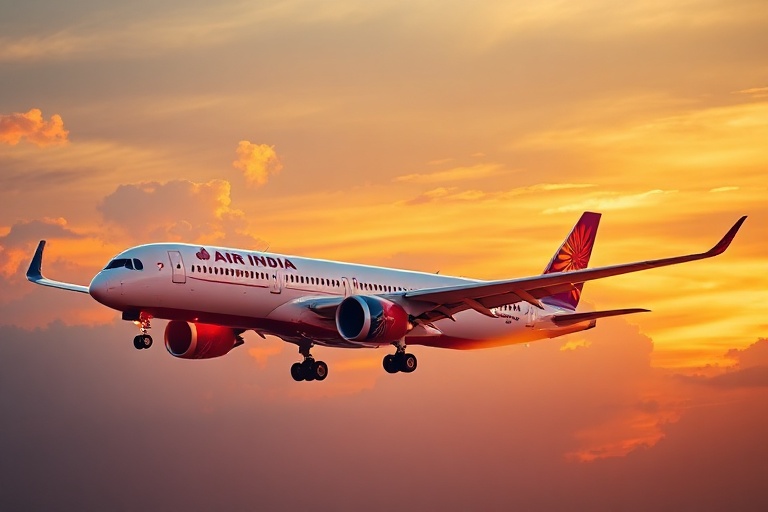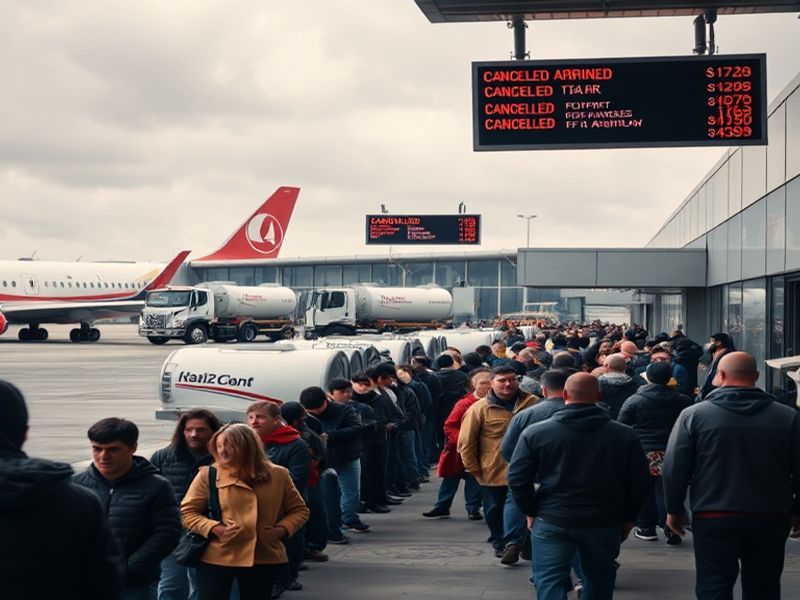
Over the past six months, airlines worldwide have canceled thousands of flights due to soaring jet fuel prices. The volatility in crude oil markets, compounded by geopolitical tensions and refining capacity constraints, has forced carriers to make difficult operational adjustments. These cancellations aren’t isolated incidents—they represent a systemic shift in how airlines manage costs in an era of unpredictable energy prices.
The Immediate Impact on Travelers
Passengers have faced widespread disruptions, from delayed departures to outright flight cancellations. The situation has been particularly acute in Europe and North America, where major carriers have reduced service on less profitable routes. Budget airlines, typically more resilient to fuel price swings, have also announced schedule cuts. Travelers report scrambling to rebook flights, often at significantly higher fares due to last-minute availability.
Airline customer service lines have been overwhelmed, with wait times exceeding four hours in some cases. Social media feeds are flooded with complaints about lost luggage, missed connections, and opaque refund policies. The frustration is palpable, but the root cause lies not with airlines alone—it’s a cascading effect of global economic pressures.
Why Jet Fuel Prices Are So Unstable
Several factors have converged to drive jet fuel prices upward. The conflict in Ukraine disrupted global oil supplies, while OPEC’s production cuts tightened the market. Refining capacity has struggled to keep pace with demand, particularly for specialized aviation fuel. Even minor supply chain hiccups now ripple through the system, amplifying price volatility.
Environmental regulations also play a role. Stricter emissions standards require airlines to use cleaner—but more expensive—fuel blends. Carbon offset programs add another layer of cost, pushing carriers to reassess route profitability. In some cases, airlines have grounded older, less fuel-efficient aircraft entirely, reducing capacity and increasing cancellations.
Key Factors Behind Jet Fuel Price Volatility
- Geopolitical instability: Conflicts and sanctions disrupt oil production and shipping routes.
- Refining bottlenecks: Limited capacity to process crude oil into jet fuel exacerbates shortages.
- Regulatory pressures: Emissions mandates increase operational costs for airlines.
- Seasonal demand swings: Summer travel peaks strain fuel supplies, driving prices higher.
The Broader Economic Ripple Effects
The cancellations extend beyond inconvenienced travelers. Tourism-dependent regions are seeing revenue losses as visitors cancel trips or opt for alternative destinations. Business travel, already recovering from pandemic-era cutbacks, faces further declines, impacting industries reliant on in-person meetings. Hotels, rental car companies, and local economies are all feeling the pinch.
For airlines, the financial strain is unsustainable. Many carriers had hedged fuel costs earlier in the year, but those protections are expiring. Some airlines are passing expenses to consumers through fuel surcharges, while others absorb the costs to maintain market share. The long-term solution may require structural changes, such as investing in sustainable aviation fuel (SAF) or revising route networks to prioritize high-yield segments.
Governments are under pressure to intervene. In the U.S., the Department of Transportation has launched an investigation into airline pricing practices. Meanwhile, European regulators are considering subsidies to offset fuel costs for regional carriers. The debate over who bears responsibility—airlines, oil companies, or policymakers—remains unresolved.
What Travelers Can Expect Moving Forward
Short-term, cancellations will likely persist as airlines recalibrate their operations. Travelers should book with flexibility in mind, opting for refundable tickets or comprehensive travel insurance. Monitoring airline alerts and signing up for real-time notifications can mitigate disruption risks.
Long-term, the industry may see consolidation, with weaker carriers merging or folding under financial strain. The rise of high-speed rail in some regions could also reduce reliance on short-haul flights, further reshaping the aviation landscape. For now, the jet fuel crisis serves as a stark reminder of how interconnected global systems have become—and how quickly disruptions can upend daily life.
As the situation evolves, staying informed is the best defense. Airlines are updating their policies frequently, and travelers must adapt accordingly. The cancellations aren’t just a temporary headache—they’re a sign of deeper economic and environmental challenges that will shape the future of travel.
For more insights on travel disruptions and industry trends, visit Dave’s Locker Travel or Dave’s Locker News for the latest updates.
Conclusion
The jet fuel price surge has exposed vulnerabilities in the global airline industry. While cancellations disrupt plans for millions, they also highlight the need for systemic solutions—whether through innovation, regulation, or collaboration. Travelers, airlines, and policymakers must work together to navigate this turbulent period and build a more resilient future for aviation.