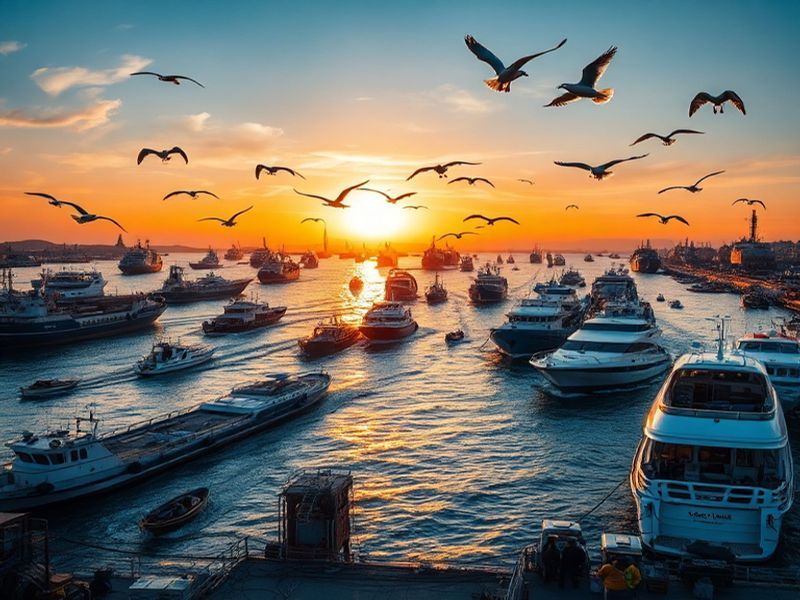
Marine Traffic: Understanding Its Global Impact and Challenges
Understanding Marine Traffic: A Global Perspective
Marine traffic plays a crucial role in the world economy, facilitating the movement of goods and people across vast oceans and seas. This intricate network of ships, ports, and navigational systems forms the backbone of international trade. Understanding the dynamics of marine traffic is essential for appreciating its impact on global commerce, environmental issues, and cultural exchanges.
The Importance of Marine Traffic
Marine traffic is vital for various reasons. It is responsible for transporting approximately 90% of the world’s goods, including raw materials, consumer products, and food supplies. The efficiency of marine transport significantly influences global supply chains and economic stability.
Additionally, marine traffic contributes to job creation in numerous sectors, including shipping, logistics, and tourism. Ports serve as economic hubs, generating revenue and providing employment opportunities for local communities.
Key Components of Marine Traffic
To grasp the complexities of marine traffic, it is essential to understand its key components:
- Vessels: Various types of ships, including container ships, tankers, bulk carriers, and passenger vessels, navigate the seas.
- Ports: Major gateways for trade, ports facilitate the loading and unloading of cargo and passengers.
- Navigational Systems: Technologies such as GPS, AIS (Automatic Identification System), and radar help vessels navigate safely.
- Regulatory Bodies: Organizations like the International Maritime Organization (IMO) set regulations to ensure safety and environmental protection.
Challenges in Marine Traffic Management
Despite its significance, marine traffic faces several challenges that necessitate careful management. Some of the most pressing issues include:
- Environmental Impact: Shipping contributes to greenhouse gas emissions and ocean pollution, prompting calls for greener practices.
- Congestion: Major ports often experience congestion, leading to delays and increased operational costs.
- Safety Concerns: Maritime accidents, piracy, and navigation errors pose risks to vessels and crews.
- Technological Integration: The need for advanced technologies to enhance efficiency and safety in marine traffic management is ever-growing.
Addressing these challenges requires collaboration among stakeholders, including governments, shipping companies, and environmental organizations. Innovative solutions, such as the adoption of cleaner fuels and the implementation of smart port technologies, can lead to significant improvements.
Cultural Significance of Marine Traffic
Marine traffic is not only an economic engine but also a cultural conduit. It facilitates cross-cultural exchanges and fosters international relationships. For instance, the shipping industry has historically been a channel for cultural diffusion, bringing diverse peoples and ideas together.
Ports often serve as melting pots where different cultures converge. The exchange of goods is accompanied by the exchange of traditions, cuisines, and languages. This cultural intermingling has shaped coastal communities and influenced local customs around the globe.
Moreover, marine traffic supports tourism, allowing travelers to explore distant lands. Cruise ships, for example, have become a popular mode of transport, offering unique experiences that connect people with various cultures and histories.
Conclusion
Marine traffic is a multifaceted phenomenon that significantly impacts the global economy, environment, and cultural landscapes. Understanding its complexities is essential for addressing the challenges it faces and maximizing its potential benefits. As the world continues to evolve, so too will the systems and practices surrounding marine traffic. Stakeholders must work collaboratively to ensure that this vital network remains sustainable and efficient for future generations.
For those interested in exploring related topics, check out our sections on Sports and Travel. These categories delve into how transportation, including marine traffic, influences various aspects of our lives.