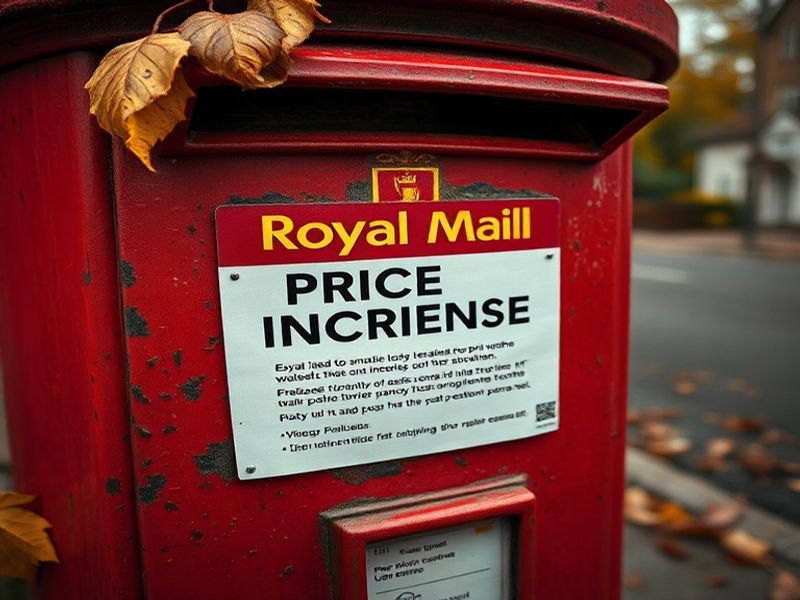
Royal Mail Price Increase: Impacts and Industry Implications
Understanding the Royal Mail Price Increase
The Royal Mail has recently announced a significant price increase for its postal services, a move that has attracted attention and concern from consumers and businesses alike. With rising operational costs and changing market dynamics, this adjustment reflects broader trends in the postal and logistics industry. Understanding the reasons behind this decision and its implications is crucial for all stakeholders.
Reasons Behind the Price Increase
Several factors have contributed to the Royal Mail’s decision to raise prices. These include:
- Inflation: Rising inflation rates have significantly impacted the cost of materials and labor.
- Operational Costs: Increases in fuel prices and maintenance costs for vehicles and facilities have added financial pressure.
- Declining Mail Volumes: A shift towards digital communication has led to reduced demand for traditional mail services.
- Investment in Technology: The need to modernize operations and improve service efficiency requires substantial investment.
The combination of these factors has created a challenging environment for Royal Mail, necessitating a review of their pricing strategy. As costs continue to rise and demand shifts, the postal service must adapt to remain viable.
Impact on Consumers and Businesses
The price increase is likely to have far-reaching implications for both consumers and businesses. For individuals, this could mean higher costs for sending letters and parcels, particularly during peak seasons like holidays. Small businesses, which often rely on postal services for shipping products, may face tighter margins as shipping costs rise.
Moreover, this change could accelerate the trend towards digital alternatives. Many consumers may opt for electronic communication or digital delivery services, which could further reduce the volume of traditional mail. This shift poses a challenge for Royal Mail, as they must balance maintaining service quality while adapting to a declining customer base.
Broader Implications for the Postal Industry
The Royal Mail’s price increase is not an isolated incident. Similar trends have been observed globally, with postal services in various countries facing similar challenges. As e-commerce continues to grow, logistics and delivery services are under pressure to innovate and offer competitive pricing. The implications of these changes can be summarized as follows:
- Increased Competition: Other courier services may benefit from Royal Mail’s price hikes, as consumers seek more affordable options.
- Market Consolidation: We may witness mergers and acquisitions as companies strive to maintain profitability in a shrinking market.
- Technology Adoption: The need for efficiency will drive further investment in technology, such as automation and advanced tracking systems.
- Service Diversification: Postal services may explore new revenue streams, such as offering additional logistics solutions or partnerships with e-commerce platforms.
These implications reflect a significant shift within the postal industry, highlighting the need for adaptability and innovation to thrive in a rapidly changing environment.
Conclusion
The Royal Mail’s price increase is a response to a confluence of factors affecting the postal industry. As consumers and businesses adjust to these changes, the impact on traditional mail services will be profound. Moving forward, it will be essential for Royal Mail and similar organizations to embrace technological advancements and explore new business models to remain relevant. Understanding these dynamics will help consumers and businesses better navigate the evolving landscape of postal services.
For more insights into current trends and analysis in the logistics and postal sectors, visit our Business and News categories.