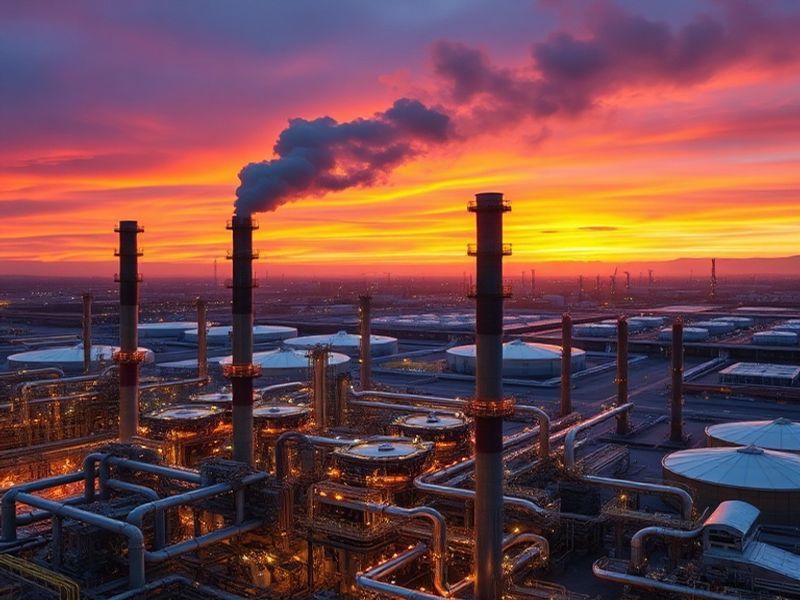
Understanding Oil Refineries
Oil refineries play a crucial role in the global economy. They transform crude oil into usable products, such as gasoline, diesel, and various petrochemicals. The process involves complex chemical engineering and rigorous safety measures. As the world continues to rely on fossil fuels, understanding the operations and implications of oil refineries is essential.
The Refining Process Explained
The refining process consists of several key stages, each designed to separate and convert crude oil into its valuable components. Here’s a breakdown of the main steps involved:
- Distillation: The first step involves heating crude oil in a distillation column. Different components evaporate at various temperatures, allowing for their separation.
- Conversion: This stage alters the molecular structure of heavier fractions into lighter, more valuable products. Techniques such as cracking and hydrocracking are commonly used.
- Treating: Impurities and unwanted elements are removed during this phase. This ensures that the final products meet industry standards.
- Blending: Finally, various refined products are blended to achieve desired specifications, such as octane ratings for gasoline.
Environmental and Economic Implications
While oil refineries are vital for energy production, they also pose significant environmental challenges. The emissions from refineries contribute to air pollution, while wastewater can contaminate local water supplies. Regulatory frameworks are in place to mitigate these effects, but challenges remain.
Economically, refineries are significant players in the job market, providing thousands of jobs worldwide. They also contribute to national revenues through taxes and exports. However, the volatility of oil prices can lead to economic instability, affecting both producers and consumers.
The Future of Oil Refineries
As the world shifts towards renewable energy sources, the future of oil refineries is uncertain. Some industry experts argue for a transition to more sustainable practices within existing refineries. This could include integrating biofuels or enhancing energy efficiency.
Moreover, advancements in technology may lead to new refining processes that produce fewer emissions. For instance, carbon capture and storage (CCS) technology is being explored as a method to reduce the carbon footprint of refineries.
In conclusion, oil refineries are at a crossroads. They are integral to energy production but face increasing pressure to adapt to a changing world. The balance between economic viability and environmental responsibility will define the future of this industry.
For more on the implications of energy production, visit our Energy Analysis and Environment News categories.