The Atlantic hurricane season is more than a six-month cycle of storms and warnings. It is a powerful force that reshapes coastlines, displaces communities, and influences economies from Miami to Dakar. This annual phenomenon is not just a regional concern but a global story of resilience, adaptation, and the relentless power of nature.
The Science Behind the Storms
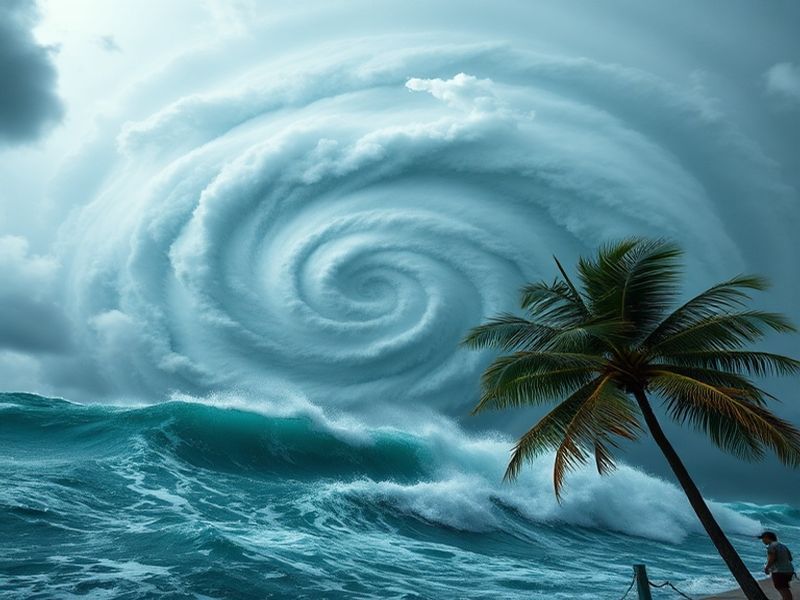
Hurricanes are born from the marriage of warm ocean waters and atmospheric instability. The Atlantic season officially runs from June 1 to November 30, with the peak typically occurring between mid-August and late October. The National Oceanic and Atmospheric Administration (NOAA) defines a hurricane as a tropical cyclone with sustained winds of at least 74 miles per hour. These storms are categorized using the Saffir-Simpson Hurricane Wind Scale, which ranges from Category 1 (minimal damage) to Category 5 (catastrophic damage).
The formation of a hurricane begins with a tropical disturbance, often originating off the coast of West Africa. As warm, moist air rises from the ocean surface, it creates an area of low pressure. Surrounding air spirals inward, feeding the storm’s energy. If conditions remain favorable—warm water, low wind shear, and high humidity—the disturbance can intensify into a tropical depression, then a tropical storm, and finally a hurricane. The Atlantic Basin, which includes the North Atlantic Ocean, the Caribbean Sea, and the Gulf of Mexico, is particularly vulnerable due to its vast stretches of warm water.
Climate change has added a layer of complexity to this natural process. Warmer ocean temperatures provide more fuel for storms, while rising sea levels exacerbate flooding in coastal areas. According to a study published in Nature Communications, the intensity of hurricanes has increased over the past four decades, with a higher proportion of storms reaching Categories 4 and 5. This trend underscores the urgent need for both scientific research and policy responses to mitigate future risks.
The Human Impact: From Displacement to Recovery
The human toll of hurricane season is staggering. In 2022, Hurricane Ian made landfall in Florida as a Category 4 storm, causing an estimated $113 billion in damages and claiming over 150 lives. The storm displaced thousands of residents, destroyed homes, and left entire communities without power for weeks. Similar stories unfolded in Puerto Rico after Hurricane Maria in 2017, where the official death toll exceeded 3,000, largely due to the prolonged humanitarian crisis that followed.
Hurricanes do not discriminate, but their impacts are often disproportionately felt by marginalized communities. Low-income neighborhoods, which are frequently located in flood-prone areas, face higher risks of displacement and long-term economic setbacks. For example, in New Orleans, the aftermath of Hurricane Katrina in 2005 revealed deep-seated inequalities in infrastructure and emergency response. The storm exposed how socioeconomic factors can determine who survives—and who thrives—after a disaster.
Recovery is a marathon, not a sprint. In the Caribbean, islands like Barbuda and Dominica are still rebuilding from hurricanes Irma and Maria in 2017. The process is slow, often hindered by limited resources and bureaucratic hurdles. Yet, resilience is also a story of community. Local organizations, such as the Caribbean Disaster Emergency Management Agency, play a critical role in coordinating relief efforts and rebuilding infrastructure. Their work highlights the importance of grassroots initiatives in the face of global challenges.
Cultural Echoes: How Hurricanes Shape Identity and Memory
Hurricanes leave scars on the land and the psyche of those who endure them. In the United States, hurricanes like Katrina and Harvey have become cultural touchstones, inspiring music, literature, and film. Beyoncé’s Lemonade album, for instance, includes a track titled “Forward,” which references the devastation of Hurricane Katrina and its lingering emotional toll. Similarly, the 2018 film Beasts of the Southern Wild explores the resilience of a Louisiana community facing environmental collapse.
In the Caribbean, hurricanes are woven into the fabric of collective memory. The region’s oral traditions often recount stories of past storms, serving as both warnings and lessons. For example, in the Bahamas, the annual Junkanoo festival is sometimes interrupted by hurricane season, forcing communities to adapt their celebrations to the rhythms of nature. These cultural responses illustrate how hurricanes are not just physical events but also deeply embedded in the social and artistic narratives of affected regions.
Hurricanes also influence local economies in unexpected ways. In Cuba, the government’s proactive approach to hurricane preparedness has become a point of national pride. The island’s civil defense system, which includes early warning systems and community drills, has reduced the human toll of storms. Meanwhile, in the United States, hurricane season drives tourism patterns, with some travelers avoiding coastal destinations during peak months. This shift reflects a growing awareness of the risks associated with climate change and extreme weather.
Preparation and Policy: Lessons from Around the World
Preparedness is the first line of defense against hurricanes. Countries in the Atlantic Basin have developed a range of strategies to mitigate risks, from early warning systems to infrastructure upgrades. For example, the Netherlands, which faces its own challenges with coastal flooding, has pioneered innovative flood defenses like the Maeslantkering storm surge barrier. While not directly in the Atlantic hurricane zone, its expertise in water management offers valuable insights for vulnerable regions.
In the Caribbean, small island nations have turned to regional cooperation to address hurricane risks. The Caribbean Catastrophe Risk Insurance Facility (CCRIF) provides rapid financial assistance to member countries after disasters. This pooled risk model allows nations to share the burden of recovery, reducing the financial strain on individual governments. Similarly, the United States has invested in programs like the Federal Emergency Management Agency’s (FEMA) Hazard Mitigation Assistance, which funds projects to reduce long-term risks from hurricanes and other natural disasters.
Yet, despite these efforts, gaps remain. In many parts of the Atlantic Basin, outdated building codes and inadequate infrastructure leave communities vulnerable. For example, in Haiti, the combination of poverty, political instability, and environmental degradation has made hurricane recovery a recurring challenge. The 2021 earthquake and subsequent tropical storms highlighted the country’s struggle to rebuild amidst compounding crises. These cases underscore the need for international aid and sustainable development strategies.
Technology is playing an increasingly important role in hurricane forecasting and response. Satellites, drones, and AI-driven models are improving the accuracy of storm tracking and intensity predictions. For instance, NOAA’s Hurricane Hunter aircraft fly directly into storms to collect real-time data, while machine learning algorithms analyze historical patterns to predict future trends. These advancements are critical for saving lives and reducing economic losses.
Key Takeaways for Residents and Policymakers
Hurricane season is a reminder of nature’s unpredictability and the importance of preparation. Whether you live in a coastal community or are simply watching from afar, understanding the risks and staying informed can make a difference. Here are some actionable steps:
- Stay informed: Follow updates from local meteorological agencies and emergency management offices. Sign up for community alerts and warnings.
- Prepare your home: Install storm shutters, reinforce garage doors, and trim trees to reduce debris. Keep an emergency kit with water, food, and medical supplies.
- Know your evacuation route: Identify shelters and high-ground areas in advance. Have a plan for pets and vulnerable family members.
- Support resilience efforts: Donate to organizations like the Red Cross or local relief groups. Advocate for policies that prioritize climate adaptation and infrastructure investment.
Looking Ahead: A Season of Change
The Atlantic hurricane season is a dynamic and evolving challenge. As climate change intensifies, the frequency and severity of storms are expected to rise. This reality demands a shift in how we approach hurricane preparedness, from individual preparedness to global cooperation. The stories of resilience from Puerto Rico, the Bahamas, and other affected regions offer hope and inspiration, proving that even in the face of devastation, communities can rebuild and thrive.
The next time a hurricane forms in the Atlantic, remember that it is more than a weather event. It is a test of human ingenuity, solidarity, and adaptability. By learning from the past and embracing innovation, we can navigate the complexities of hurricane season with greater confidence and resilience.