El Niño represents one of Earth’s most influential climate phenomena, capable of altering weather systems across entire continents. While its name—Spanish for “the boy”—may evoke innocence, the reality is far more complex. This periodic warming of Pacific Ocean waters triggers cascading effects on atmospheric circulation, ocean temperatures, and precipitation patterns worldwide.
Scientists have studied El Niño for decades, yet its mechanisms remain only partially understood. What is clear is its capacity to disrupt economies, strain agricultural systems, and intensify extreme weather events. From droughts in Australia to flooding in Peru, the ripple effects of El Niño demonstrate the interconnected nature of global climate systems.
The Science Behind El Niño: How It Develops
At its core, El Niño stems from the interaction between the ocean and atmosphere in the tropical Pacific. Normally, trade winds push warm surface water westward toward Indonesia, allowing cooler water to rise along South America’s coast. This process, known as upwelling, sustains marine ecosystems and stabilizes regional climates.
During an El Niño event, those trade winds weaken or even reverse direction. Warm water sloshes eastward, piling up along the western coasts of the Americas. This shift displaces the Pacific’s thermal equator, disrupting the jet stream and rerouting storm tracks. The consequences unfold over months, with peak intensity typically occurring between December and February.
Not all El Niño events are identical. Researchers classify them based on their strength and duration:
- Weak: Surface temperature anomalies of 0.5–0.9°C above average
- Moderate: Anomalies of 1.0–1.4°C
- Strong: Anomalies of 1.5–1.9°C
- Very Strong: Anomalies of 2.0°C or higher
The 1997–98 El Niño, one of the strongest on record, caused an estimated $35 billion in global damages. Its intensity led to severe flooding in California, devastating droughts in Indonesia, and coral bleaching across the Pacific. Such events underscore why meteorologists monitor Pacific temperature trends with near-constant vigilance.
Global Impacts: From Droughts to Deluges
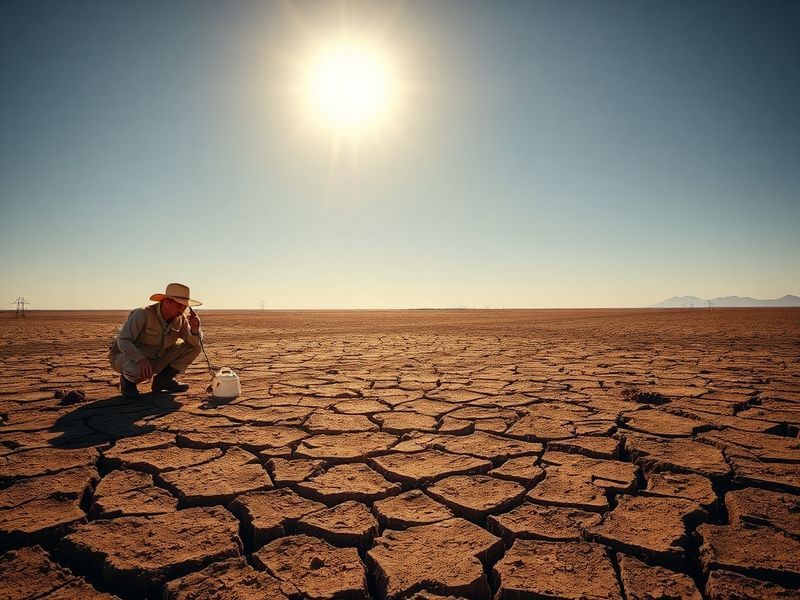
The reach of El Niño extends far beyond the Pacific. Its influence manifests differently depending on geography, season, and existing climate patterns. In Southeast Asia and Australia, the phenomenon often heralds prolonged dry spells, elevating wildfire risks and straining water supplies. The 2015–16 El Niño, for instance, contributed to Indonesia’s worst fire season in two decades, blanketing the region in toxic haze.
Conversely, South America’s western coast frequently experiences torrential rains during El Niño years. Peru and Ecuador have faced repeated flooding and landslides, with infrastructure damage running into the hundreds of millions. Meanwhile, the southern United States typically sees wetter-than-average conditions, particularly in California, where reservoirs and groundwater levels can rebound after years of drought.
El Niño’s effects also ripple through marine ecosystems. The suppression of upwelling cuts off nutrients that sustain anchovies and sardines off Peru’s coast, devastating local fisheries. Further north, warmer waters off California have been linked to shifts in marine mammal populations and harmful algal blooms. These ecological disruptions highlight how a single climate event can reshape entire food webs.
Agriculture and Food Security: The Silent Casualties
Few sectors feel El Niño’s impact as acutely as agriculture. Crop yields fluctuate wildly depending on regional rainfall patterns. In southern Africa, El Niño often coincides with reduced maize production, threatening food security in countries already grappling with poverty. Brazil’s coffee-growing regions, similarly, have faced frost risks during past events, sending global prices soaring.
The phenomenon also influences commodity markets. Wheat and soybean prices in the U.S. tend to rise during El Niño years due to planting delays and harvest disruptions. Meanwhile, palm oil production in Indonesia may decline, tightening global vegetable oil supplies. These economic tremors reveal how interconnected global trade has become with climate variability.
For policymakers, the challenge lies in preparation. Early warning systems and drought-resistant crop strategies can mitigate some risks, but El Niño remains an unpredictable force. Its ability to defy forecasts—even in an era of advanced climate modeling—serves as a reminder of nature’s inherent complexity.
Beyond the Pacific: El Niño’s Broader Implications
While El Niño originates in the tropical Pacific, its influence stretches into the Atlantic and Indian Oceans. During strong events, Atlantic hurricane seasons often weaken due to increased wind shear, which tears apart developing storms. This was evident in 2016, when Hurricane Matthew’s devastating path contrasted with a relatively quiet overall season.
The phenomenon also interacts with other climate patterns, such as the Indian Ocean Dipole (IOD). When both El Niño and a positive IOD coincide—as in 2019—the result can be catastrophic monsoon failures in India, leading to widespread crop losses. Such compound events challenge traditional climate models, which struggle to capture these interactions accurately.
Climate change may further complicate El Niño’s behavior. Some studies suggest that warming oceans could intensify future events, while others propose that shifting wind patterns might suppress their frequency. The uncertainty underscores the need for continued research, particularly as extreme weather events grow more frequent and severe.
For communities on the front lines, adaptation is critical. In Peru, engineers have redesigned water infrastructure to handle sudden deluges, while Australian farmers invest in drought-resistant crops and water storage systems. These localized strategies reflect a broader truth: resilience, not prediction, may be the ultimate defense against El Niño’s vagaries.
Looking Ahead: Can We Predict—or Even Control—El Niño?
The modern era has brought unprecedented tools for monitoring El Niño. Satellites like NASA’s Jason-3 track sea surface temperatures in real-time, while buoys deployed across the Pacific transmit data on wind, currents, and salinity. These instruments feed into sophisticated climate models, which issue forecasts months in advance.
Yet prediction remains an imperfect science. The 2014 El Niño, for example, was widely anticipated but failed to materialize, leaving researchers baffled. Such “false alarms” highlight the limitations of current models, which struggle to account for the chaotic interplay of ocean and atmosphere.
Some scientists have even explored radical interventions, such as artificially cooling the Pacific to suppress El Niño’s formation. Proposals range from ocean fertilization to deploying giant pipes to pump deep, cold water to the surface. While these ideas remain speculative, they reflect humanity’s growing desperation to tame nature’s most unpredictable forces.
For now, the best strategy remains preparedness. Governments, businesses, and individuals must remain vigilant, adapting infrastructure and practices to withstand El Niño’s whims. From the rice paddies of Southeast Asia to the vineyards of California, the lessons are clear: resilience is the only viable response to a climate phenomenon that refuses to be tamed.
As research advances, one thing is certain: El Niño will continue to shape our world, its impacts echoing far beyond the Pacific’s shores. The question is not whether it will arrive, but how ready we are when it does.
For more on climate science and environmental trends, explore our Science and News sections.