The Estate of Michael Jackson: A Global Legacy Beyond the Stage
The estate of Michael Jackson stands as one of the most complex and influential legacies in the history of entertainment. Over a decade after his passing in 2009, the legal, financial, and cultural dimensions of his estate continue to shape conversations around intellectual property, artist rights, and the preservation of cultural icons. With assets valued in the billions, Jackson’s estate operates as a global brand, generating revenue from music, merchandise, and licensing deals that span continents.
Jackson’s estate is not merely a financial entity—it is a cultural institution. It reflects the challenges of managing posthumous fame, the ethics of posthumous releases, and the global demand for artistic continuity. From the archives of Neverland Ranch to the streaming dominance of his catalog, the estate’s operations offer a case study in balancing preservation with commercialization.
The Financial Foundation: Revenue Streams and Legal Battles
The financial backbone of Jackson’s estate is built on a diverse portfolio of assets. His music catalog, including the rights to 251 songs, remains a perpetual source of income through royalties, streaming, and licensing agreements. Sony Music’s 2016 deal to acquire half of Jackson’s publishing rights for $750 million underscored the enduring value of his work. This transaction also highlighted the estate’s strategic approach to monetizing intellectual property while maintaining control over usage.
Legal disputes have punctuated the estate’s history, often revealing the complexities of posthumous management. One of the most notable involved Jackson’s mother, Katherine Jackson, who filed a lawsuit in 2017 alleging mismanagement by the estate’s executors. The case was ultimately dismissed, but it exposed tensions between family interests and professional administration. Another significant challenge arose from AEG Live, the concert promoter behind Jackson’s ill-fated This Is It tour, which faced lawsuits from the estate over breach of contract and wrongful death claims.
The estate’s financial team has navigated these challenges with a focus on long-term stability. According to court filings, the estate generated over $2 billion in revenue between 2016 and 2023, with a substantial portion coming from music sales, documentaries, and merchandise. This financial success has allowed the estate to fund charitable initiatives, including the Michael Jackson’s Heal the World Foundation, which supports children’s health and education globally.
Preservation and Controversy: Managing a Posthumous Legacy
The preservation of Michael Jackson’s artistic vision presents unique ethical dilemmas. The estate has authorized numerous posthumous releases, including the 2014 album Xscape and the 2022 documentary The Life of Michael Jackson, which features previously unreleased footage. These projects aim to introduce Jackson’s work to new audiences while satisfying demand from loyal fans. However, they also spark debates about artistic integrity and the commercial exploitation of unfinished or unreleased material.
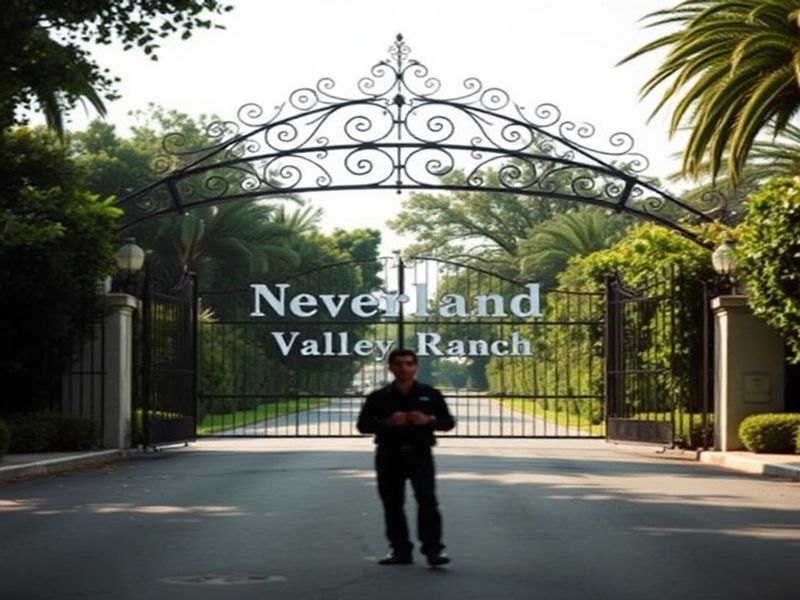
Controversy has also surrounded the fate of Neverland Ranch, Jackson’s iconic former home in California. After years of legal battles and financial struggles, the estate sold the property in 2023 for $22 million to a private developer. The sale marked the end of an era for Neverland, which had become a symbol of Jackson’s life, both celebrated and scrutinized. The estate’s decision to divest the property reflects a broader strategy to streamline assets and focus on more lucrative ventures.
The estate’s handling of Jackson’s image has also drawn criticism. In 2022, the estate filed lawsuits against unauthorized merchandise and biographical works that it deemed exploitative. These legal actions underscore the estate’s commitment to protecting Jackson’s brand while navigating the blurred lines between homage and infringement. The challenge lies in distinguishing between fair use and unauthorized commercialization, a debate that resonates across the entertainment industry.
A Global Brand: Jackson’s Cultural Resonance Across Continents
Michael Jackson’s influence transcends borders, making his estate a global brand with fans in every corner of the world. His music remains a staple in regions as diverse as Africa, Latin America, and Asia, where his songs are frequently remixed and reinterpreted. In Japan, Jackson’s legacy is celebrated through annual tribute concerts and museum exhibits. In Africa, his humanitarian efforts, particularly the We Are the World initiative, continue to inspire charitable organizations.
The estate has capitalized on this global appeal through strategic partnerships. For example, Jackson’s music has been featured in international advertising campaigns, including a 2021 collaboration with a major European fashion brand. These partnerships leverage his universal recognition while introducing his work to younger demographics. The estate’s social media presence, with millions of followers across platforms like Instagram and TikTok, further amplifies his cultural relevance.
Jackson’s estate also plays a role in shaping the broader conversation about artist rights and posthumous fame. In Europe, where stricter laws govern the use of deceased celebrities’ likenesses, the estate has had to adapt its strategies. For instance, the European Union’s General Data Protection Regulation (GDPR) has forced the estate to carefully manage the use of Jackson’s image in digital spaces. These legal frameworks highlight the need for a nuanced approach to posthumous branding.
The Future of the Estate: Innovation and Legacy
As technology evolves, the estate is exploring new ways to engage with fans while preserving Jackson’s legacy. Virtual reality concerts, AI-generated performances, and interactive museum exhibits are among the innovative projects under consideration. These ventures aim to create immersive experiences that honor Jackson’s artistry while appealing to digital-native audiences.
The estate’s leadership has also emphasized education and philanthropy as core components of its mission. Initiatives like the Michael Jackson Scholarship Program, which provides financial aid to students pursuing the arts, reflect a commitment to nurturing the next generation of creatives. These efforts ensure that Jackson’s impact extends beyond his music, fostering cultural and social progress.
Looking ahead, the estate faces both opportunities and challenges. The rise of AI and deepfake technology poses risks to the authenticity of Jackson’s image, while the growing demand for nostalgic content presents new revenue streams. The estate’s ability to adapt to these changes will determine whether Jackson’s legacy remains a vibrant force or fades into history.
For fans and scholars alike, the estate of Michael Jackson serves as a reminder of the enduring power of artistry. It challenges us to consider how we preserve cultural icons in an era of rapid technological and social change. As the estate continues to evolve, it remains a testament to Jackson’s unparalleled influence—and the responsibilities that come with managing such a legacy.
Key Takeaways
- The estate generates billions through music royalties, licensing, and strategic partnerships.
- Legal battles and ethical dilemmas have shaped the estate’s operational strategies.
- Neverland Ranch’s sale marked a shift toward asset consolidation and commercial focus.
- Global branding and philanthropy are central to the estate’s long-term vision.
- Innovation in technology and education will define the future of Jackson’s legacy.