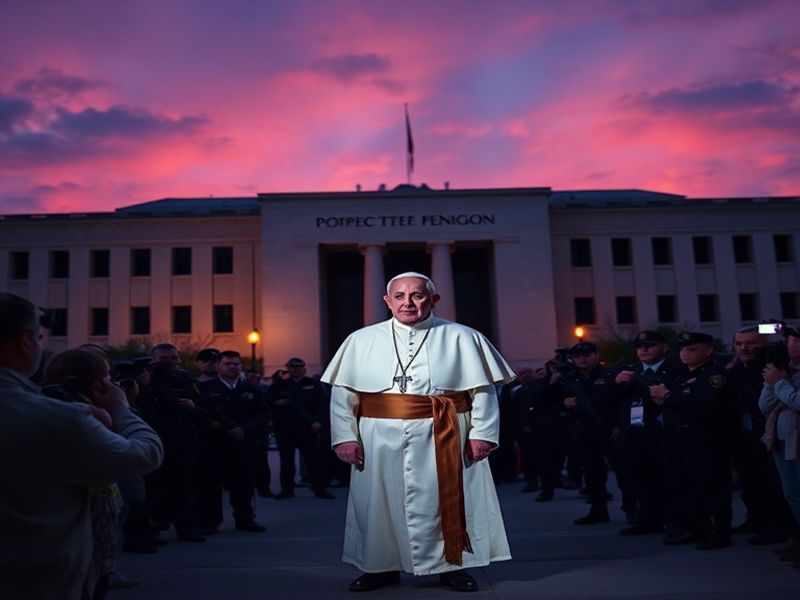
The Vatican’s diplomatic corridors buzzed with tension this week after an internal Pentagon memo surfaced, warning of credible threats against Pope Francis. While the document remains classified, multiple sources within U.S. intelligence and Italian law enforcement have confirmed its authenticity. The memo, dated last month, outlines concerns that extremist groups—both domestic and international—may target the Holy See during upcoming high-profile events.
This revelation comes at a time when geopolitical tensions between Western nations and certain factions in the Middle East and Africa are escalating. The Vatican, as a neutral spiritual authority, often finds itself in the crosshairs of extremist rhetoric. But the Pentagon’s involvement suggests a new level of urgency, raising questions about the adequacy of existing security protocols.
What the Pentagon Memo Reveals
According to leaked details, the memo identifies three primary areas of concern:
- Diplomatic summits: High-level meetings between the Vatican and foreign delegations, particularly those involving nations with strained relations with the U.S.
- Religious gatherings: Large-scale events like Easter or Christmas celebrations, which draw massive crowds to St. Peter’s Square.
- Papal travel: Upcoming trips to politically volatile regions, including parts of Africa and the Middle East.
The memo also emphasizes the role of cyber threats, warning that hackers sympathetic to extremist causes may attempt to disrupt communications or spread disinformation to sow panic. While the Vatican has not publicly commented on the memo’s specifics, Vatican spokesman Matteo Bruni acknowledged that security teams are reviewing “enhanced protocols” in collaboration with Italian authorities.
Broader Implications for Global Security
The Pentagon’s warning isn’t just about protecting a single individual—it reflects deeper anxieties about the Vatican’s role as a diplomatic and spiritual mediator. In recent years, Pope Francis has positioned the Holy See as a voice for peace, often mediating between warring nations. This stance, while laudable, has made the Vatican a symbolic target for groups that reject Western-led diplomacy.
One of the most pressing concerns is the potential for lone-wolf attacks inspired by extremist propaganda. Unlike coordinated plots, these threats are harder to detect and prevent. The memo highlights the need for intelligence-sharing between the U.S., Italy, and other European allies to monitor online radicalization and preemptive threats.
Another layer of complexity involves the Vatican’s unique status. As a sovereign city-state, it operates under its own legal framework, which sometimes conflicts with international security standards. The Pentagon’s memo may pressure the Holy See to adopt stricter security measures, though any changes could face resistance from traditionalists who view them as incompatible with the Church’s mission of openness.
Historical Context: Past Threats to the Papacy
This isn’t the first time the papacy has faced existential threats. In 1970, Swiss Guards thwarted an assassination attempt on Pope Paul VI during a visit to the Philippines. More recently, in 2000, Pope John Paul II survived an attack by a knife-wielding assailant in St. Peter’s Square. These incidents underscore the persistent risks tied to the papal role.
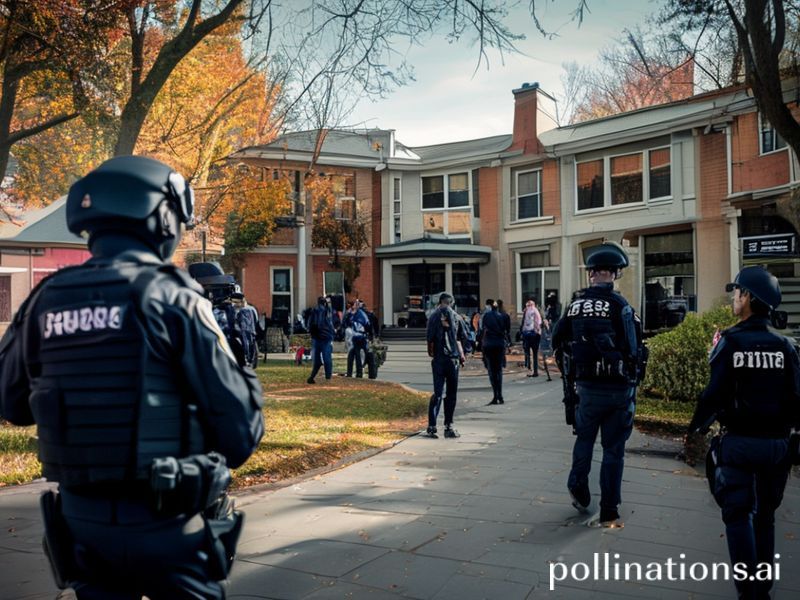
What makes the current threat different is the scale of potential collateral damage. Modern extremist groups are more decentralized and technologically savvy, capable of orchestrating attacks across borders. The Vatican’s sprawling open spaces—like St. Peter’s Square—pose a particular challenge. Unlike secure government buildings, the Holy See’s public areas are designed for accessibility, not fortification.
What’s Next for Vatican Security?
In response to the Pentagon’s memo, several measures are likely under consideration:
- Enhanced surveillance: Increased use of AI-driven facial recognition and drone monitoring around Vatican City.
- Cybersecurity upgrades: Partnerships with tech firms to protect the Vatican’s digital infrastructure from hacking attempts.
- International coordination: Joint training exercises between Vatican security forces, Italian police, and U.S. intelligence.
- Public reassurance campaigns: Efforts to prevent panic while deterring potential attackers through visible security presence.
Yet, any significant security overhaul must balance protection with the Vatican’s spiritual mission. The Church’s ethos of hospitality and accessibility is central to its identity. Over-militarizing the Vatican could alienate pilgrims and undermine its global image.
For now, the focus remains on prevention. The Pentagon’s memo serves as a stark reminder that even spiritual leaders are not immune to the chaos of the modern world. How the Vatican and its allies respond could set a precedent for how other religious and diplomatic sites navigate the growing specter of extremism.
Further Reading:
For more on geopolitical tensions affecting religious sites, explore our Politics and News sections. These articles delve into the intersection of faith, security, and international relations.