ASDA, one of the United Kingdom’s largest supermarket chains, has quietly become a quiet disruptor in an unexpected sector: laundry care. While competitors focus on groceries and apparel, ASDA has expanded its footprint into laundry detergents, fabric softeners, and even laundry services. This strategic diversification reflects broader shifts in how consumers manage household tasks amid rising living costs and sustainability concerns.
The entry of ASDA into laundry products isn’t just about selling soap—it’s part of a larger trend where retailers leverage trusted brand names to enter adjacent markets. From budget-friendly detergents to in-store laundry pickup services, ASDA is redefining convenience in domestic chores. In doing so, it competes not only with traditional detergent brands like Persil and Ariel but also with global giants such as Unilever and Procter & Gamble.
The Rise of Retailer-Branded Laundry Products
In the early 2000s, supermarket-owned laundry brands were often seen as inferior alternatives to established names. Shoppers associated them with lower quality and weaker cleaning power. But over the past decade, perceptions have shifted dramatically. Retailer brands—often called “own-label” or “private-label” products—have improved in formulation, packaging, and performance.
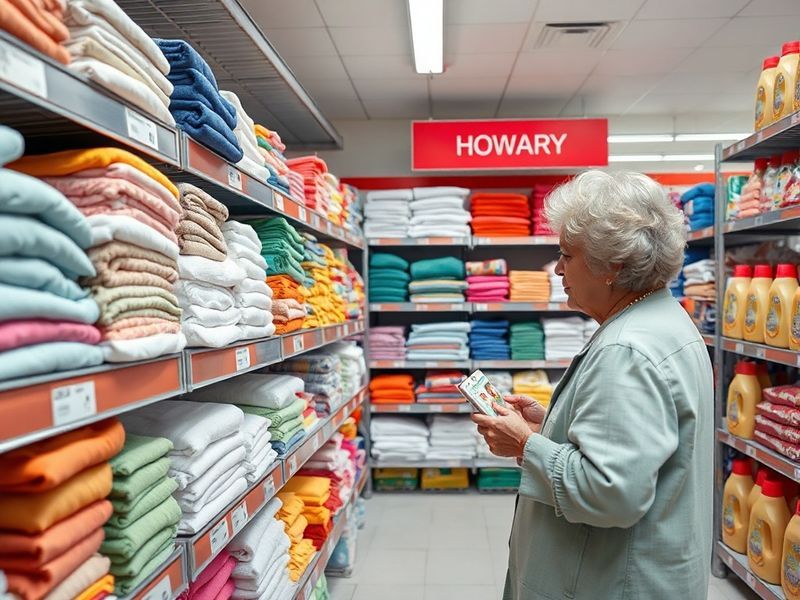
ASDA’s laundry range, part of its “George Home” home care line, now includes concentrated liquids, eco-friendly capsules, and hypoallergenic options. These products are priced significantly lower than premium brands, appealing to cost-conscious consumers without sacrificing efficacy. This strategy aligns with ASDA’s core identity as a value-focused retailer, positioning it as a practical choice for families and students alike.
Globally, this trend is not unique to the UK. In the United States, Walmart’s Equate brand and Target’s Up & Up line dominate budget-friendly aisles. In Germany, Aldi and Lidl’s non-brand detergents outsell many traditional brands in some regions. The message is clear: when trust in the retailer is high, consumers are willing to switch from name brands to save money and support local economies.
Why Consumers Are Switching to Supermarket Laundry Brands
- Cost savings: Own-label detergents can cost up to 50% less than branded alternatives, especially when purchased in bulk.
- Comparable performance: Independent lab tests, such as those by Which?, have shown that some supermarket detergents perform just as well as premium brands in stain removal and fabric care.
- Eco-conscious options: Many retailer brands now offer concentrated formulas, recyclable packaging, and plant-based ingredients, attracting environmentally aware shoppers.
- Trust in the retailer: Shoppers who regularly buy groceries from ASDA are more likely to trust its home care products, creating a halo effect around brand loyalty.
This shift also reflects changing shopping habits. With the rise of online grocery shopping and one-stop retail destinations, consumers increasingly expect to do more than just buy food under one roof. ASDA’s laundry range fits neatly into this ecosystem, making it easier for customers to complete their shopping in a single trip.
The Global Context: Supermarkets Entering Household Care
ASDA is not acting alone. Across Europe and North America, major supermarket chains are expanding into home care categories once dominated by specialized brands. This movement is driven by three key factors: margin growth, customer retention, and data-driven personalization.
In Scandinavia, for example, Coop Denmark’s private-label laundry products account for over 40% of total detergent sales. In France, Carrefour’s “Carrefour Home” line includes everything from washing-up liquid to fabric conditioner. Even in Asia, where branded detergents like Tide and Omo dominate, retailers like Aeon in Japan are introducing competitive alternatives.
This global expansion mirrors the rise of private-label products in food and beverages. Shoppers are increasingly indifferent to brand names when quality and value are comparable. Retailers, in turn, benefit from higher profit margins—private-label products often yield 20–40% more profit than branded goods.
ASDA’s strategy is particularly effective in the UK, where price sensitivity is high due to economic pressures. The cost-of-living crisis has made consumers more deliberate about spending. In response, ASDA has promoted its laundry products as both affordable and effective, using in-store promotions and digital coupons to drive sales.
Beyond Detergent: ASDA’s Growing Laundry Ecosystem
ASDA’s ambitions in laundry extend beyond bottles on a shelf. In select locations, the retailer has introduced laundry services, including wash-and-fold and dry-cleaning pickup points. These services cater to busy professionals, students, and households without washing machines—demographics that value convenience over ownership.
This mirrors the rise of laundry-as-a-service models seen in cities worldwide. In New York and London, apps like Laundryheap and ZipJet allow users to schedule pickups and deliveries via smartphone. ASDA’s in-store model offers a more traditional, trust-based alternative—no app required, just a trip to the familiar blue-and-white store.
Additionally, ASDA has partnered with local charities and community organizations to promote responsible laundry practices. Campaigns around water conservation and microplastic reduction align with growing consumer awareness of environmental impact. These initiatives not only enhance brand image but also create goodwill in local communities.
How ASDA Stacks Up Against Competitors
When compared to other UK supermarket chains, ASDA’s laundry range holds its own through aggressive pricing and consistent availability. While Tesco and Sainsbury’s also offer strong private-label options, ASDA’s George Home line benefits from the broader George clothing brand, which enjoys high recognition among budget-conscious shoppers.
Internationally, ASDA’s model is similar to that of Aldi in Germany, where laundry products are priced low, stocked prominently, and rarely discounted—reducing the need for flash sales. This “always low price” strategy contrasts with the promotional cycles of brands like Persil, which frequently run buy-one-get-one-free offers.
ASDA’s global peers also include Walmart in the U.S. and Carrefour in France. Each adapts its approach based on local market conditions. For instance, Walmart emphasizes bulk sizes and family packs, while Carrefour focuses on eco-friendly formulations. ASDA balances both: offering family-sized bottles alongside plant-based capsules.
The Future of Laundry in Retail
The future of laundry retail lies in personalization, sustainability, and seamless integration into daily life. ASDA is well-positioned to lead in these areas, given its strong digital presence and commitment to value.
We can expect to see more innovation in detergent formulations—such as enzyme-free, allergen-safe, and even fragrance-customizable options. ASDA may also expand its laundry services, potentially partnering with gig-economy platforms or local laundromats to offer same-day delivery.
Sustainability will remain a key driver. With microplastics from synthetic fabrics becoming a global concern, detergent brands are under pressure to reformulate. ASDA’s eco-range already avoids plastic beads and uses biodegradable ingredients, a small but meaningful step toward circularity.
As AI and smart home technologies evolve, we may even see detergent subscriptions tied to washing machine usage data—allowing ASDA to automatically replenish supplies when sensors detect low levels. This level of integration could redefine how consumers interact with everyday household products.
For now, ASDA’s laundry line remains a quiet success story—one that quietly reshapes a mundane but essential part of life. In an era of fast fashion and disposable culture, it champions practicality, affordability, and responsible consumption. And in doing so, it proves that laundry is more than just a chore—it’s a market worth fighting for.
Whether you’re a student on a budget, a parent managing a household, or simply someone looking to simplify life, ASDA’s approach offers a compelling alternative to traditional brands. It reminds us that innovation isn’t always flashy—sometimes, it’s found in the most ordinary corners of the supermarket.