Could Donald Trump Bring Back the Military Draft?
“`html
Donald Trump and the Military Draft: Examining the Controversial Proposal
In recent political discourse, the idea of reinstating a military draft has resurfaced, with former President Donald Trump at the center of the conversation. While the U.S. has not had a mandatory military draft since 1973, the possibility of reinstating it has sparked intense debate among policymakers, military analysts, and the public. Trump’s comments and policy positions on this issue have drawn both support and criticism, highlighting deeper questions about military service, national security, and societal obligations.
The discussion around a military draft under Trump’s potential leadership—or influence—has raised questions about its feasibility, necessity, and ethical implications. Some argue that a draft could address military manpower shortages, while others see it as an infringement on personal freedoms. To understand the full scope of this debate, it’s essential to examine the historical context, Trump’s stance, and the potential consequences of such a policy.
The Historical Context of Military Drafts in the U.S.
The United States has a long history with military conscription, beginning with the Civil War when both the Union and Confederate armies relied on drafted soldiers. The modern Selective Service System was established during World War I, requiring men to register for potential military service. During the Vietnam War, the draft became highly controversial, leading to widespread protests and eventual termination in 1973 when the U.S. transitioned to an all-volunteer force.
Since then, the idea of reinstating the draft has periodically resurfaced, often in response to military conflicts or personnel shortages. For example, during the Iraq War, some lawmakers and analysts debated whether a draft might be necessary to sustain prolonged engagements. However, the political and public backlash against conscription has generally kept the idea from gaining traction. Today, the debate has taken on new life, fueled by Trump’s rhetoric and the evolving geopolitical landscape.
Donald Trump’s Stance on Military Conscription
Donald Trump’s views on military service and conscription have evolved over time. During his presidency, he repeatedly emphasized the importance of a strong military, often advocating for increased defense spending and military modernization. However, he has not explicitly called for a return to the draft. Instead, his administration focused on expanding the military through voluntary enlistment and technological advancements.
In recent interviews and social media posts, Trump has suggested that the U.S. military could benefit from a draft, particularly in the face of rising global threats. He has argued that a draft could ensure a more diverse and representative fighting force, addressing concerns about socioeconomic disparities in military recruitment. Critics, however, point out that Trump’s past statements on military service—such as his deferments during the Vietnam War—undermine his credibility on this issue. The inconsistency between his personal history and his policy proposals has added fuel to the debate.
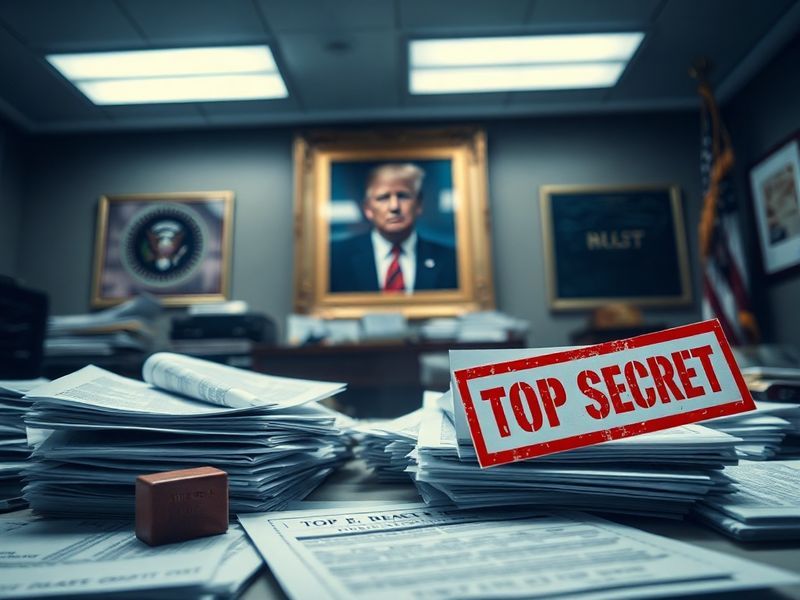
Trump’s potential influence over this issue is significant, given his continued prominence in Republican politics and his potential to shape future defense policies. If he were to push for a draft, it would likely face intense scrutiny from both political opponents and military leaders. The question remains: Would a Trump administration seriously consider reinstating the draft, and what would that mean for the country?
The Case For and Against a Military Draft
The debate over a military draft is complex, with compelling arguments on both sides. Proponents of conscription argue that it could address critical manpower shortages, particularly in specialized roles that are difficult to fill through voluntary enlistment. A draft could also promote a more diverse military, ensuring representation across different socioeconomic and demographic groups. Additionally, some believe that a draft would foster a stronger sense of civic duty, encouraging broader participation in national defense.
Opponents, however, raise significant concerns. A draft could infringe on individual freedoms, forcing citizens into military service against their will. The psychological and physical toll of combat could disproportionately affect those who did not voluntarily enlist, raising ethical questions about fairness and consent. Additionally, a draft could exacerbate social divisions, particularly if it is perceived as targeting specific communities or socioeconomic groups. The logistics of implementing a draft—such as determining eligibility, deferments, and conscientious objection—would also pose substantial challenges.
To better understand the potential impact of a military draft, consider the following perspectives:
- Military Leaders: Many high-ranking military officials have expressed skepticism about reinstating the draft, citing the success of the all-volunteer force. They argue that a draft could disrupt the professionalism and readiness of the military.
- Veterans: Some veterans support the idea of a draft as a way to share the burden of military service more equitably, while others view it as an unnecessary and unjust imposition.
- Civilian Populations: Public opinion on the draft is divided, with younger generations more likely to oppose it due to concerns about personal freedom, while older generations may see it as a patriotic duty.
Potential Consequences of a Military Draft Under Trump
If Donald Trump were to advocate for a military draft, the consequences could be far-reaching. Politically, it could galvanize his base while alienating moderates and independents who view conscription as an overreach. The policy could also strain relations with allied nations, particularly if it is perceived as a sign of militarism or aggression.
Militarily, a draft could address immediate personnel shortages, but it could also disrupt the professional culture of the armed forces. The transition from a volunteer force to a conscripted one would require significant adjustments in training, leadership, and morale. Additionally, the Selective Service System, which currently serves as a contingency plan, would need substantial upgrades to handle the administrative burden of a draft.
Socially, the impact of a draft could be profound. It could reignite debates about class and privilege, as wealthier individuals might find ways to avoid service through deferments or exemptions. Conscientious objection would also become a major issue, with potential legal and ethical challenges arising from those who refuse to serve on moral or religious grounds.
Economically, the costs of implementing a draft would be substantial. Beyond the direct expenses of training and housing conscripts, there would be indirect costs related to lost productivity in civilian sectors and potential disruptions to higher education and career paths for drafted individuals.
Looking Ahead: The Future of Military Conscription in the U.S.
The debate over a military draft is far from settled, and its future may depend on evolving geopolitical circumstances. As tensions rise with global powers like China and Russia, the U.S. military may face increasing pressure to expand its ranks. Whether that expansion comes through voluntary enlistment, technological innovation, or conscription remains an open question.
For now, the idea of a military draft under Trump’s influence remains speculative. However, the conversation itself highlights deeper issues about military service, national identity, and the role of citizens in defending their country. As the political and military landscape continues to shift, the debate over conscription is likely to persist, demanding thoughtful analysis and public engagement.
Ultimately, the decision to reinstate the draft would have profound implications for the United States, shaping its military, society, and global standing for decades to come. Whether or not Trump pursues this policy, the discussion underscores the need for careful consideration of the ethical, practical, and political dimensions of military service.