Could Donald Trump Bring Back the Military Draft?
“`html
Donald Trump’s Military Draft Speculation: Separating Fact from Fiction
In recent months, discussions about a potential military draft under a future Donald Trump administration have surged across political and social media platforms. The speculation stems from Trump’s past statements advocating for a larger and more robust military, as well as his administration’s 2018 proposal to establish a Space Force—a move that signaled an expansion of U.S. defense capabilities. While the idea of a draft may seem alarming to some, it’s essential to examine the facts, historical precedents, and the broader geopolitical context.
Historically, the U.S. has relied on an all-volunteer military since 1973, after the Vietnam War-era draft was abolished. However, the idea of reinstating conscription has periodically resurfaced in political discourse, particularly during times of heightened international tension. The debate over a potential draft under Trump is not just about military policy—it’s also a reflection of deeper concerns about America’s role in global conflicts and the sustainability of its current defense strategies.
The Legal and Political Framework of a Military Draft
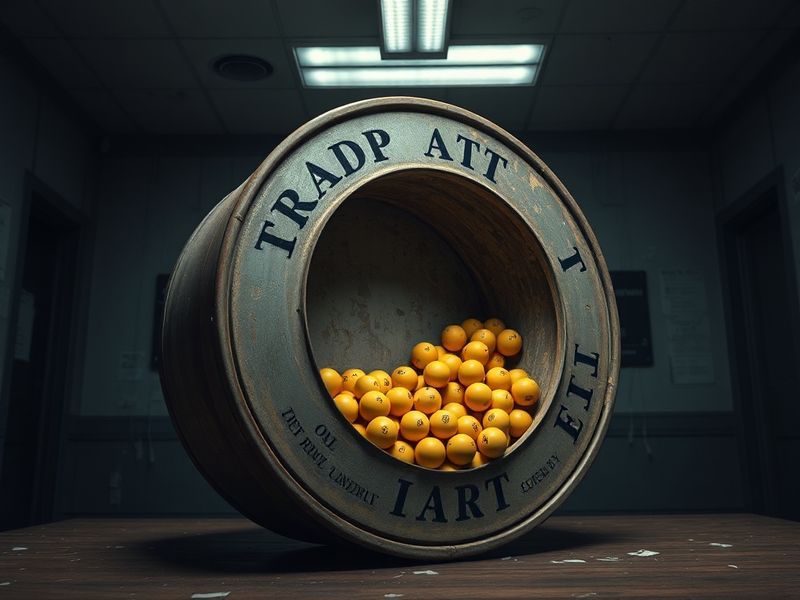
Under current U.S. law, the Selective Service System requires all male citizens and residents aged 18 to 25 to register for potential military conscription. While registration is mandatory, actual drafting has not occurred since 1973. The Selective Service’s website explicitly states that there is no active draft, and no one has been conscripted since the Vietnam War. However, the system remains in place as a contingency measure, theoretically allowing the government to mobilize manpower in the event of a national emergency.
The legal authority to reinstate a draft lies with Congress, not the president. Any proposal to expand or reactivate conscription would require significant legislative action, including amendments to the Military Selective Service Act. Trump, during his presidency, did not pursue such legislation, though his administration did explore ways to strengthen the military’s recruitment efforts. The idea of a draft under his potential second term remains speculative, but it has fueled discussions about the future of U.S. defense policy.
Global Reactions and Historical Parallels
The possibility of a U.S. military draft has drawn varied responses from international observers. Allies such as NATO partners have expressed concerns about the implications of a more militarized U.S., particularly amid ongoing conflicts like the war in Ukraine. Critics argue that a draft could signal a shift toward a more interventionist foreign policy, while supporters contend that it would ensure a more diverse and representative military.
Historically, conscription has been a contentious issue in many countries. During the Cold War, Sweden maintained one of the world’s most extensive conscription systems, requiring military service for both men and women. More recently, Russia reinstated its draft in 2022 following its invasion of Ukraine, leading to widespread protests and international condemnation. These examples highlight the polarizing nature of conscription—while it can bolster a nation’s defense capabilities, it also risks sparking domestic unrest and diplomatic tensions.
In the U.S., the memory of the Vietnam War draft remains a powerful cultural touchstone. Protests against the draft during the 1960s and 70s were among the most visible forms of opposition to the war, shaping public perception of military conscription for decades. Today, the specter of a draft under Trump evokes similar debates about the balance between national security and individual freedoms.
The Cultural and Social Implications
The idea of a military draft extends beyond policy—it touches on fundamental questions about citizenship, duty, and sacrifice. In an era where military service is increasingly voluntary, the notion of mandatory conscription challenges societal norms about personal autonomy and civic responsibility. Polls indicate that younger Americans, in particular, are skeptical of a draft, with many viewing it as an outdated and unjust system.
Social media has amplified these discussions, with viral posts and memes circulating about the potential return of conscription. Some critics argue that a draft under Trump could disproportionately affect marginalized communities, given the historical disparities in military recruitment and service. Others point to the economic and educational deferments that have historically shielded affluent Americans from conscription—a factor that could reignite debates about class and privilege.
For veterans and military families, the discussion carries additional weight. Many who served under the all-volunteer model view a draft as a step backward, citing the professionalism and dedication of today’s service members. Meanwhile, some argue that a draft could foster a stronger connection between civilians and the military, bridging the gap that has grown over decades of an all-volunteer force.
What Would a Trump-Era Draft Look Like?
If a draft were to be reinstated under a potential Trump administration, it would likely differ significantly from past models. Modern technological advancements, such as AI-driven recruitment tools and data analytics, could make conscription more targeted and efficient. However, the political and logistical hurdles remain substantial. Congress would need to approve any expansion of the Selective Service, and public opinion would play a critical role in shaping the outcome.
One possibility is a selective draft, targeting specific demographics or skill sets rather than a blanket conscription of all eligible men. For example, the military could prioritize recruits with critical technical skills, such as cybersecurity or engineering, in response to evolving threats like digital warfare. This approach would align with Trump’s emphasis on technological superiority in defense.
Another factor to consider is the role of women in any potential draft. While women have served in combat roles since 2013, they are not currently required to register for Selective Service. Expanding the draft to include women could be a contentious issue, particularly among conservative lawmakers who have traditionally resisted such measures.
Looking Ahead: The Future of U.S. Military Policy
The debate over a military draft under Trump is ultimately about more than just conscription—it’s about the future direction of U.S. defense policy. As global tensions rise and new threats emerge, the question of how to maintain a strong military while respecting individual freedoms will remain at the forefront of political discourse.
For now, the Selective Service System remains a dormant but ever-present contingency. Whether it will be reactivated under a future administration depends on a complex interplay of political, social, and international factors. One thing is certain: the discussion itself reveals deep divisions about America’s role in the world and the values it seeks to uphold.
For further reading on military policy and its cultural impact, explore our News and Analysis sections, where we delve into the broader implications of defense strategies in the 21st century.