What Is Electronic Travel Authorisation and Why Is It Spreading Globally?
Electronic travel authorisation has quietly become one of the fastest-growing systems in global mobility. Introduced as a streamlined alternative to traditional visas, it allows travellers to apply online for permission to enter a country before departure. The process typically takes minutes, costs a fraction of a consular fee, and relies on digital checks rather than stamping a passport.
This shift reflects a broader trend: governments prioritising security and efficiency in an era of record travel volumes. In 2023, over 40 countries operated some form of electronic travel authorisation, up from just a handful a decade earlier. The United States, Australia, India, and the United Arab Emirates now require it for millions of visitors annually. Even small island nations like Barbados and Vanuatu have adopted versions to boost tourism while maintaining border control.
What began as a niche policy has evolved into a standardised tool of 21st-century border management. Its rise underscores how digital infrastructure now shapes who can cross borders—and who cannot.
The Mechanics Behind the System: How It Works and What It Replaces
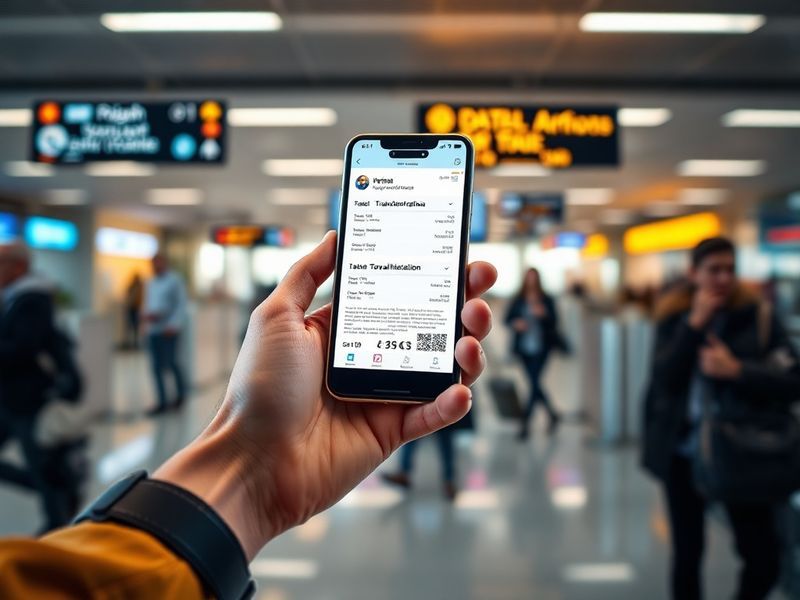
Electronic travel authorisation operates through a secure online portal. Applicants fill out a form with basic identity, travel, and security details. This data is cross-checked against watchlists, criminal databases, and previous entry records. Approval is often granted within hours, sometimes instantly, with a digital confirmation sent via email.
In contrast, traditional visas typically require in-person interviews, lengthy processing times, and physical documents. A standard tourist visa for India, for example, can take up to 15 business days and cost over $100, while its electronic travel authorisation costs around $25 and is processed in 72 hours. The cost saving alone has made the system attractive to budget-conscious travellers.
Yet the convenience comes with trade-offs. Unlike visas, electronic travel authorisations do not guarantee entry—the final decision remains with immigration officers at the border. They also lack the flexibility of multi-entry visas, often limiting travellers to a single or double entry within a fixed period.
The system is built on trust in automation and pre-screening. For governments, this reduces the strain on consular staff. For travellers, it removes the uncertainty of postal delays or lost passports. But it also places greater responsibility on the applicant to provide accurate information—errors can lead to denial without appeal.
A Patchwork of Policies: How Different Regions Approach Digital Entry
The adoption of electronic travel authorisation is uneven across the globe, shaped by regional priorities and geopolitical pressures.
In North America, the U.S. introduced its Electronic System for Travel Authorization (ESTA) in 2009 following the Visa Waiver Program reforms. It applies to citizens of 41 countries, including Japan, Germany, and the UK. Canada followed with its own Electronic Travel Authorization (eTA) in 2016, targeting visa-exempt travellers from Europe, Asia, and the Americas. Both systems focus on security screening, particularly after 9/11 and subsequent terrorist threats.
Across the Atlantic, the European Union has been slower to adopt a unified system. Instead, it relies on the European Travel Information and Authorisation System (ETIAS), set to launch in mid-2025. ETIAS will require pre-travel screening for visa-exempt visitors, including Americans, Canadians, and Australians. This reflects Europe’s balancing act between openness and vigilance amid migration debates.
In the Middle East, the UAE’s system is among the most advanced. Introduced in 2014, it allows travellers from over 60 countries to enter without a visa for short stays. The UAE’s model prioritises tourism and business mobility, helping position Dubai and Abu Dhabi as global hubs. Similarly, Saudi Arabia’s Sharek system has become a cornerstone of its Vision 2030 strategy to welcome 100 million annual visitors by 2030.
Meanwhile, in the Asia-Pacific region, countries like India and Sri Lanka have used electronic travel authorisation to modernise outdated visa regimes. India’s e-Visa system, launched in 2014, now processes over 2 million applications annually. It has become a model for other developing nations seeking to attract tourists without compromising security.
Key Features Across Major Systems
- Validity: Typically 30 to 90 days per entry, with some systems allowing multiple entries over one to five years.
- Processing time: Ranges from instant to 72 hours, depending on the country and risk profile.
- Cost: Usually between $10 and $50 USD, significantly lower than traditional visas.
- Eligibility: Restricted to citizens of countries with low perceived risk, often aligned with existing visa waiver agreements.
- Security checks: Include biometric screening, criminal records, and travel history analysis.
Cultural and Economic Impact: Who Benefits—and Who Is Left Behind?
Electronic travel authorisation has democratised short-term travel for millions, particularly in the Global North. A Canadian retiree planning a two-week trip to Portugal no longer needs to schedule an embassy visit or pay for courier services. A Japanese student attending a conference in Australia can secure entry permission from a café in Tokyo. The system removes friction, enabling spontaneity and cross-cultural exchange.
For developing economies, it has become a tool for economic survival. Countries like Vietnam and Morocco have launched e-visa platforms to compete with regional rivals. In 2023, Vietnam’s e-visa system processed over 1.5 million applications, contributing an estimated $1.2 billion to its tourism sector. Such systems help smaller nations punch above their weight in global tourism rankings.
Yet the benefits are not evenly distributed. Travellers from low-income countries often face higher rejection rates due to stringent security algorithms or lack of diplomatic reciprocity. A 2022 study by the International Air Transport Association found that applicants from Africa and parts of South Asia were twice as likely to be denied electronic travel authorisation compared to Europeans or North Americans. Critics argue this reinforces historical inequalities in global mobility.
There is also a cultural dimension. In some societies, the idea of submitting personal data to a foreign government remains unsettling. In Japan, for instance, privacy concerns delayed the adoption of biometric border systems. Similarly, in parts of Latin America, where visa-free travel has been a point of national pride, electronic pre-screening feels like an imposition from wealthier nations.
These tensions reveal a paradox: the same technology that promises freedom for some can feel like surveillance for others. As digital borders tighten, the question lingers—who gets to move freely, and at what cost to dignity and equality?
Looking Ahead: The Future of Borderless Travel in a Digital Age
The trajectory of electronic travel authorisation points toward further integration with global mobility systems. The next phase may see real-time risk assessment using AI, where approval or denial is determined instantly at the point of booking. Airlines could integrate authorisation checks into check-in systems, making the process invisible to travellers.
Biometric passports and facial recognition are already being piloted at airports like Dubai and Singapore. These systems could eventually merge with electronic travel authorisation, creating a seamless identity verification process from home to gate. The goal is clear: eliminate queues, reduce fraud, and speed up global movement.
But this vision depends on trust—and not just from travellers. Governments must ensure their screening algorithms are transparent and free from bias. Privacy advocates warn of mission creep, where travel data is repurposed for surveillance or law enforcement. Already, some countries use electronic travel authorisation records to track overstays or investigate past trips.
As more nations adopt the system, pressure will grow for international standards. The International Civil Aviation Organization (ICAO) has begun drafting guidelines for digital travel authorisations, aiming to prevent a chaotic patchwork of incompatible rules. A unified framework could reduce costs for travellers and improve data-sharing between countries.
For now, electronic travel authorisation remains a work in progress—efficient, imperfect, and evolving. It reflects the contradictions of our time: a world that celebrates connectivity yet builds new walls in code. Whether it becomes a bridge or a barrier may depend on who controls the system, and who gets to cross.