How Gorillaz Redefined Music and Culture with Virtual Artistry
“`html
Gorillaz: The Animated Band That Redefined Music and Culture
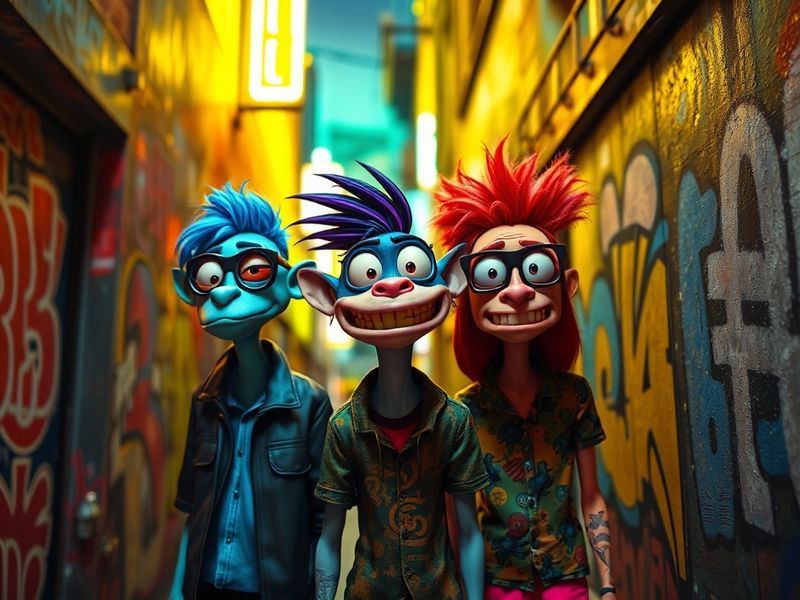
In the late 1990s, the music industry was dominated by the raw energy of Britpop, the rise of nu-metal, and the fading glow of grunge. Amid this landscape, a quartet of animated characters—2-D, Murdoc, Russel, and Noodle—debuted on MTV in 1998. Created by Damon Albarn of Blur and Jamie Hewlett, the visual artist behind Tank Girl, Gorillaz didn’t just release music; they invented a new form of artistic expression. Blending hip-hop, alternative rock, electronic, and global influences, the band became a cultural bridge between the physical and digital worlds.
Two decades later, Gorillaz remain as relevant as ever, with their latest album, Cracker Island (2023), debuting at No. 1 on the UK Albums Chart. Their longevity isn’t just about music—it’s about how they challenged the conventions of celebrity, identity, and artistic collaboration. Gorillaz didn’t just create songs; they created a universe.
The Birth of a Virtual Band: Vision and Collaboration
The idea for Gorillaz emerged from a conversation between Albarn and Hewlett. Both were frustrated with the superficiality of pop stardom and the constraints of traditional band dynamics. They wanted to explore identity, escapism, and the blurring lines between reality and fiction. The result was a band that existed entirely in the digital realm—a concept that felt almost prescient in the dawn of the internet age.
The original lineup of characters was designed to reflect different facets of musical and cultural identity:
- 2-D (Stuart Pot): The lead vocalist with a tragic backstory, embodying vulnerability and melancholy.
- Murdoc Niccals: The band’s egomaniacal, often villainous bassist, representing chaos and unpredictability.
- Russel Hobbs: The gentle giant drummer, a former graffiti artist turned spiritual seeker.
- Noodle: The precocious Japanese guitarist, symbolizing innocence and raw talent.
This diversity allowed Gorillaz to navigate a wide range of musical styles and themes. Their debut single, “Clint Eastwood,” fused hip-hop beats with rock riffs and Albarn’s haunting vocals, immediately setting them apart. The accompanying animated video, directed by Hewlett, became a viral sensation, proving that music and visual art could merge seamlessly in the digital age.
Musical Innovation: A Genre-Defying Discography
Gorillaz’s music is a patchwork of genres, drawing from UK hip-hop, trip-hop, punk, samba, Bollywood, and even video game soundtracks. Their debut album, Gorillaz (2001), was a critical and commercial triumph, featuring collaborations with De La Soul, Del the Funky Homosapien, and Ibrahim Ferrer of the Buena Vista Social Club. Tracks like “19-2000” and “Tomorrow Comes Today” showcased their ability to blend catchy hooks with experimental production.
Each subsequent album deepened their sonic experimentation. Demon Days (2005) introduced a darker, more cinematic tone, with contributions from Neneh Cherry, MF Doom, and Shaun Ryder. The haunting “Feel Good Inc.” became an anthem for a generation disillusioned with mainstream pop. Plastic Beach (2010) pushed boundaries further, incorporating electronic, dubstep, and even a virtual choir of celebrity guests, including Snoop Dogg, Lou Reed, and Bobby Womack.
What makes Gorillaz’s music enduring is their refusal to be pigeonholed. They’ve collaborated with artists as diverse as Little Dragon, The Clash’s Mick Jones, and even the Syrian National Orchestra for Arabic Music. Their latest work, Cracker Island, continues this tradition, featuring guest spots from Thundercat, Tame Impala’s Kevin Parker, and Black Midi’s Geordie Greep. The album’s lead single, “Cracker Island,” is a psychedelic journey that feels both nostalgic and futuristic—a perfect encapsulation of Gorillaz’s ability to evolve while staying true to their roots.
Cultural Impact: Beyond the Music
Gorillaz’s influence extends far beyond record sales and chart positions. They were one of the first acts to fully embrace the internet as a medium for storytelling and fan engagement. Their website, gorillaz.com, was a hub for animated shorts, interactive games, and behind-the-scenes content long before such practices became standard. The band’s use of social media and digital platforms helped redefine how artists could connect with audiences in the 21st century.
They also challenged traditional notions of celebrity. Unlike most bands, Gorillaz were never about the musicians behind the characters—though Albarn and Hewlett’s involvement was crucial. Instead, they focused on the mythology of the band itself. This approach allowed them to explore themes of identity, mental health, and societal issues through their lyrics and visuals. For example, the character of Murdoc often serves as a darkly comic foil, embodying toxic masculinity and self-destruction, while Noodle’s journey reflects themes of displacement and resilience.
Gorillaz’s impact can also be seen in fashion, film, and even gaming. Their aesthetic, a mix of cyberpunk, retro-futurism, and anime influences, has inspired countless designers and artists. Their music has been featured in films like The Matrix Reloaded and Charlie’s Angels, while their virtual concerts in Fortnite and Second Life have set new standards for interactive entertainment. The band’s ability to transcend mediums speaks to their role as pioneers in a digital-first world.
The Future of Gorillaz: What’s Next?
As Gorillaz enter their third decade, their relevance shows no signs of waning. With Cracker Island receiving acclaim for its bold experimentation, fans are already speculating about their next move. Will they continue to push into virtual reality? Could they release an entirely AI-generated album? Whatever they do, it’s clear that Gorillaz are not just a band—they’re a movement.
For new listeners, Gorillaz offer an entry point into a world where music, art, and technology intersect. For longtime fans, they represent a constant source of inspiration and surprise. And for the music industry, they remain a benchmark for innovation and creativity.
As Albarn once said, “We’re not trying to be a gimmick. We’re trying to be a real band, even if we’re not real people.” In that paradox lies the magic of Gorillaz—a band that exists in the digital ether but feels more human than most.
For those looking to dive deeper into Gorillaz’s world, check out Dave’s Locker’s Music and Entertainment categories for more on their cultural legacy.