Israel-Iran War: Escalation Risks and Global Impact Explained
“`html
Israel-Iran War: A Rising Threat with Global Consequences
The simmering tensions between Israel and Iran have escalated into one of the most volatile geopolitical flashpoints in the Middle East. Recent direct confrontations, including missile strikes and cyberattacks, have pushed the region closer to all-out conflict. This escalation isn’t just a regional concern—it has implications for global oil markets, diplomatic alliances, and military strategies worldwide.
The Recent Escalation: A Timeline of Key Events
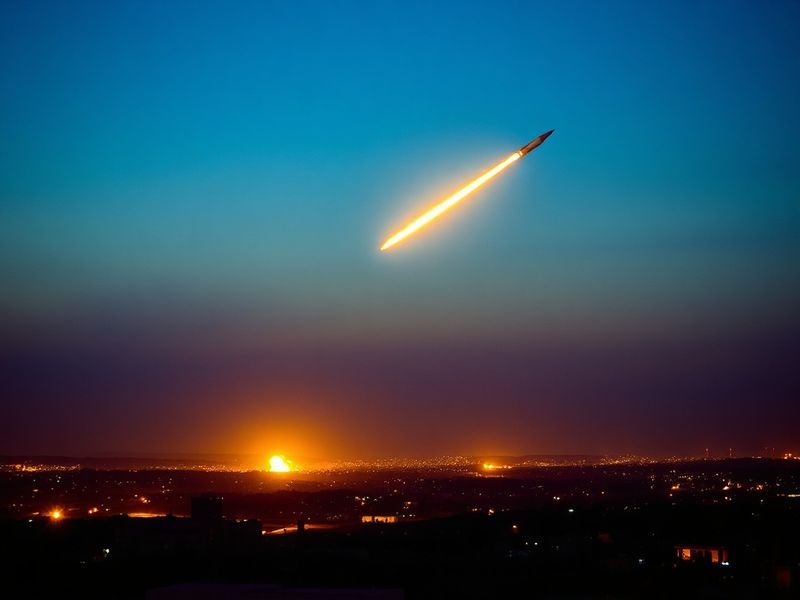
The latest surge in hostilities began in April 2024, when Iran launched a massive drone and missile strike on Israel in retaliation for a suspected Israeli strike on its consulate in Damascus. While Israel, with the help of the U.S. and allies like the UK and Jordan, intercepted most of the projectiles, the attack marked a significant escalation in the ongoing shadow war between the two nations.
This wasn’t an isolated incident. Over the past decade, Israel and Iran have engaged in a covert war involving cyberattacks, sabotage, and targeted assassinations. Some of the most notable events include:
- 2020: The assassination of Iranian nuclear scientist Mohsen Fakhrizadeh, widely attributed to Israel.
- 2021: A cyberattack on Iran’s Natanz nuclear facility, disrupting its enrichment capabilities.
- 2022: Israeli strikes on Iranian-backed militia positions in Syria.
- 2023: A series of Israeli airstrikes on Iranian military installations in Syria, killing high-ranking commanders.
The April 2024 strike, however, was the first time Iran launched a direct military assault on Israeli soil, signaling a new phase in the conflict. Iran’s leadership has repeatedly vowed to retaliate against Israel, framing its actions as necessary to deter further aggression. Meanwhile, Israel has maintained a policy of striking Iranian interests in Syria and beyond to prevent Iran from establishing a permanent military foothold on its northern border.
Why This Conflict Matters Beyond the Middle East
The Israel-Iran conflict isn’t just a regional dispute—it has far-reaching consequences that could reshape global dynamics. One of the most immediate concerns is the potential disruption to global oil supplies. Iran is a major oil producer, and any escalation that disrupts its exports could send shockwaves through energy markets. The Strait of Hormuz, a critical chokepoint for oil shipments, is particularly vulnerable to conflict.
Beyond oil, the conflict has implications for international diplomacy. The U.S. has historically been Israel’s strongest ally, providing military aid and political support. However, the Biden administration has signaled a more cautious approach, balancing its commitment to Israel with efforts to revive the Iran nuclear deal, which former President Trump withdrew from in 2018. Meanwhile, Russia and China have positioned themselves as mediators, offering diplomatic cover to Iran while expanding their own influence in the region.
Militarily, the conflict has also highlighted the growing role of asymmetric warfare. Iran’s use of drones, ballistic missiles, and proxy forces like Hezbollah in Lebanon and the Houthis in Yemen has forced Israel to adapt its defense strategies. The Iron Dome missile defense system, while effective, cannot intercept every threat, leaving Israel vulnerable to prolonged attacks.
Could This Lead to a Full-Scale War?
The possibility of a full-scale war between Israel and Iran is a grim but plausible scenario. Both sides have drawn red lines that, if crossed, could trigger a broader conflict. For Israel, Iran’s nuclear program remains the ultimate red line. While Iran insists its nuclear activities are peaceful, Israel views them as an existential threat. Israeli Prime Minister Benjamin Netanyahu has repeatedly stated that Israel will not allow Iran to develop nuclear weapons, raising the specter of a preemptive strike.
Iran, meanwhile, has vowed to retaliate against any Israeli aggression with overwhelming force. Its military doctrine relies on asymmetric warfare, using proxy forces and long-range missiles to inflict damage without engaging in direct combat. This strategy makes it difficult for Israel to neutralize the threat without risking a wider war.
Analysts are divided on whether a full-scale war is imminent. Some argue that neither side wants a direct confrontation, as both would suffer devastating consequences. Others warn that miscalculations or accidental escalations could spiral out of control. The presence of U.S. and Russian military assets in the region further complicates the situation, increasing the risk of unintended clashes.
The Human Cost and Regional Fallout
While the focus often remains on military and political developments, the human cost of this conflict cannot be ignored. Civilians in Israel and Iran, as well as in neighboring countries like Lebanon and Syria, bear the brunt of the violence. The April 2024 strike, for example, caused widespread panic in Israel, with sirens blaring across the country and families huddling in bomb shelters. In Iran, the government’s crackdown on dissent has intensified, with protesters facing harsh penalties for criticizing the regime’s military actions.
The conflict has also exacerbated humanitarian crises in the region. In Syria, where Iran-backed militias operate, civilians continue to suffer from the decade-long civil war. Lebanon, already grappling with economic collapse, faces the added burden of hosting Hezbollah, a group that has been drawn deeper into the Israel-Iran conflict. The humanitarian toll of a full-scale war would be catastrophic, with millions more displaced and regional stability further eroded.
For those looking to stay informed on the latest developments, Dave’s Locker News provides up-to-date coverage of the Israel-Iran conflict and other global events. Understanding the nuances of this crisis is essential for grasping its broader implications.
What’s Next? Possible Outcomes and Scenarios
The future of the Israel-Iran conflict remains uncertain, but several potential outcomes could unfold in the coming months. One possibility is a return to indirect negotiations, with intermediaries like Qatar or Oman brokering talks to de-escalate tensions. Such negotiations could focus on limiting proxy conflicts in Syria and Lebanon while addressing Iran’s nuclear ambitions.
Another scenario is a prolonged period of low-intensity conflict, where both sides continue to engage in covert operations and proxy wars without triggering a direct confrontation. This approach would allow Israel to weaken Iran’s military capabilities while avoiding the political and economic costs of a full-scale war. For Iran, it would provide an opportunity to project power in the region without risking regime collapse.
A third possibility is a catastrophic escalation, where a miscalculation or deliberate strike leads to a broader war. Such a conflict could draw in the U.S., Russia, and other regional powers, with devastating consequences for the Middle East and beyond. The risks of nuclear escalation, while currently low, cannot be entirely dismissed, given Iran’s uranium enrichment program and Israel’s undeclared nuclear arsenal.
Regardless of the path forward, one thing is clear: the Israel-Iran conflict will continue to shape the geopolitical landscape for years to come. Its resolution—or lack thereof—will determine the stability of the Middle East and the security of global energy supplies.
Key Takeaways for Readers
- Direct Confrontation: The April 2024 strike marked the first time Iran launched a direct military assault on Israel, escalating the conflict to new heights.
- Global Implications: The conflict threatens global oil supplies, diplomatic alliances, and military strategies, with potential ripple effects worldwide.
- Asymmetric Warfare: Both sides rely on proxy forces and covert operations, making it difficult to predict or prevent escalation.
- Humanitarian Crisis: Civilians in Israel, Iran, and neighboring countries face the brunt of the violence, with millions already displaced by regional conflicts.
- Uncertain Future: The conflict could de-escalate through negotiations, continue as a low-intensity war, or spiral into a catastrophic regional conflict.
The Israel-Iran war is more than a regional dispute—it is a defining challenge of the 21st century. Its resolution will require not only military strategy but also diplomatic ingenuity and a commitment to preventing further suffering. As the situation evolves, staying informed and understanding the stakes will be crucial for policymakers, analysts, and citizens alike.