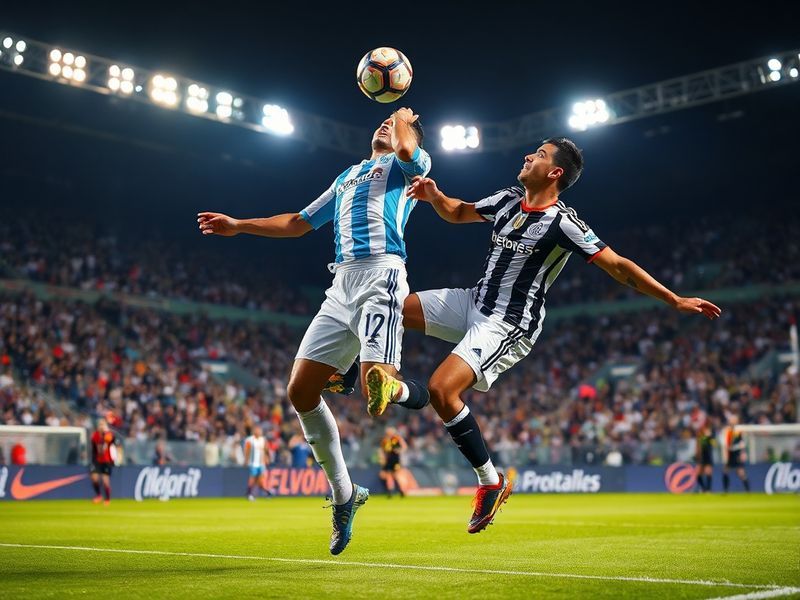
Football in South America is never just about the ninety minutes on the pitch. It’s a cultural narrative, a social pulse, and often a mirror to the complexities of the continent itself. When Platense faces Corinthians, the clash transcends regional pride and enters the realm of identity. This fixture, though not as globally televised as the continent’s classic derbies, holds deep significance for both clubs and their communities.
The rivalry between Club Atlético Platense from Argentina and Sport Club Corinthians Paulista from Brazil is rooted in tradition, geography, and contrasting football philosophies. Platense, based in the Vicente López district of Greater Buenos Aires, represents a working-class ethos with a history of resilience. Corinthians, founded in 1910 in São Paulo’s working-class Bom Retiro neighborhood, embodies a club born from the people, for the people—a philosophy still central to its identity today.
The Origins and Philosophies of Two Iconic Clubs
Platense was established in 1903, just seven years after the first official football match was played in Argentina. It emerged during a time when football was rapidly becoming a unifying force in a nation experiencing waves of immigration and urbanization. The club’s name, “Platense,” refers to the Río de la Plata region, symbolizing its connection to the cultural and geographic heart of Argentina. Over the decades, Platense developed a reputation as a club of loyal supporters and modest ambition—never a giant, but always respected.
Corinthians, on the other hand, was founded in 1910 by a group of railway workers and immigrants who were barred from joining existing clubs due to social prejudice. Their founding manifesto was explicit: “This club is for the people.” That principle led to the creation of one of Brazil’s most beloved institutions, a club that would later become a symbol of resistance during Brazil’s military dictatorship. Corinthians’ history is intertwined with social movements, making it a cultural institution as much as a sporting one.
The contrast between the two clubs is not just in their histories but in their styles of play and institutional values. Platense has long been associated with tactical discipline and defensive solidity, often punching above its weight. Corinthians, in contrast, has a tradition of attacking football and a deep connection to Brazil’s samba culture, reflected in its nickname, “O Timão” (The Big Team).
When the Pitches Meet: Recent Encounters and Tactical Nuances
In recent years, Platense and Corinthians have met in the Copa Libertadores, South America’s premier club competition. These matches have drawn attention not only for their competitive edge but for the cultural exchange they represent. The first official meeting between the two clubs took place in 2021 during the group stage of the Copa Libertadores. Corinthians won 2–0 in São Paulo, with goals from established stars, showcasing their technical superiority and physical presence.
The return leg in Buenos Aires was tightly contested. Platense, playing in front of a passionate but limited home crowd due to pandemic restrictions, absorbed pressure and nearly equalized through a well-worked set piece. Though Corinthians ultimately advanced, the match highlighted Platense’s growing tactical sophistication under manager Juan Manuel Llop, a disciple of Marcelo Bielsa’s school of high-pressure football.
These encounters reveal a fascinating tactical dialogue: Corinthians’ fluid 4-2-3-1 formation against Platense’s compact 5-4-1 or 4-4-2 block. The Brazilian side often dominates possession and relies on individual brilliance, while the Argentine team thrives on collective pressing and set-piece efficiency. These matches are case studies in how two different football cultures interpret the same game.
Cultural Exchange and Fan Identity
The Platense vs Corinthians fixture is more than a sporting contest—it’s a bridge between two football cultures that have shaped the identity of South American football. Brazil’s football is often associated with creativity, joy, and improvisation, rooted in the country’s African heritage and carnival spirit. Argentina’s football, while also expressive, is frequently defined by tactical rigor, intensity, and a darker, more dramatic narrative—think of Diego Maradona’s 1986 World Cup or the defensive resilience of clubs like Estudiantes.
Fans of both clubs reflect these cultural differences. Corinthians supporters, known as “Fiel” (Faithful), are famous for their organized fan groups, elaborate chants, and tifo displays. They treat the stadium as a stage for cultural expression, blending football with samba and Afro-Brazilian traditions. Platense’s fanbase, while smaller, is deeply loyal, with generations of families attending games at the Estadio Ciudad de Vicente López. Their support is quiet but fervent, rooted in neighborhood pride.
This cultural exchange extends beyond the pitch. Brazilian players have often found a second home in Argentina, and Argentine coaches have made their mark in Brazil. The rivalry, though not historic in the traditional sense, represents a respectful dialogue between two footballing nations that have given the world some of its greatest players—from Socrates and Casagrande to Maradona and Messi.
Beyond the Rivalry: Shared Values in a Global Game
In an era where football is increasingly commodified and globalized, Platense and Corinthians stand as symbols of authenticity. Both clubs have resisted the temptation to prioritize commercial success over tradition. Corinthians, despite its global following, remains rooted in its community through programs like “Time do Coração” (Heart Team), which promotes social inclusion. Platense, though financially modest, has maintained its identity as a neighborhood club, resisting the lure of relocation or rebranding.
This authenticity resonates globally, particularly among younger fans seeking alternatives to the corporate football model. Clubs like Platense and Corinthians remind us that football is not just a product—it’s a community, a family, and a form of resistance.
As South America’s football landscape continues to evolve, with clubs like Flamengo and Boca Juniors dominating headlines, the Platense vs Corinthians fixture remains a quiet reminder of football’s deeper roots. These matches are not about glory or trophies alone. They are about identity, culture, and the unbreakable bond between a club and its people.
Key Takeaways from the Platense vs Corinthians Rivalry
- Historical Roots: Platense (1903) and Corinthians (1910) emerged from distinct social contexts—immigration in Argentina and working-class exclusion in Brazil.
- Philosophical Differences: Platense emphasizes tactical discipline and defensive organization, while Corinthians prioritizes attacking flair and cultural expression.
- Cultural Exchange: The rivalry reflects broader South American football cultures—Argentina’s tactical intensity and Brazil’s creative freedom.
- Social Role: Both clubs remain community-focused, resisting the pressures of commercialization and global branding.
- Global Relevance: Their matches offer a counter-narrative to elite European football, highlighting alternative models of club identity.
Why This Rivalry Matters in a Global Context
In a football world increasingly dominated by financial power and media spectacle, Platense and Corinthians represent a different kind of football—one rooted in history, community, and cultural pride. Their encounters are not just sporting events; they are cultural dialogues. As European football faces criticism for its alienation from local communities, clubs like Platense and Corinthians offer a compelling alternative: football as a living tradition, not just a global brand.
For fans of the game who seek authenticity, these clubs provide a refreshing counterpoint to the homogeneity of modern football. They remind us that the soul of the sport lies not in stadiums seating 80,000 but in the local pitches of Vicente López and Bom Retiro, where dreams are still made one match at a time.
As the world watches the next Champions League final or the latest transfer saga, it’s worth remembering that the most beautiful stories in football are often written in the quiet corners of the pitch—by clubs like Platense and Corinthians.