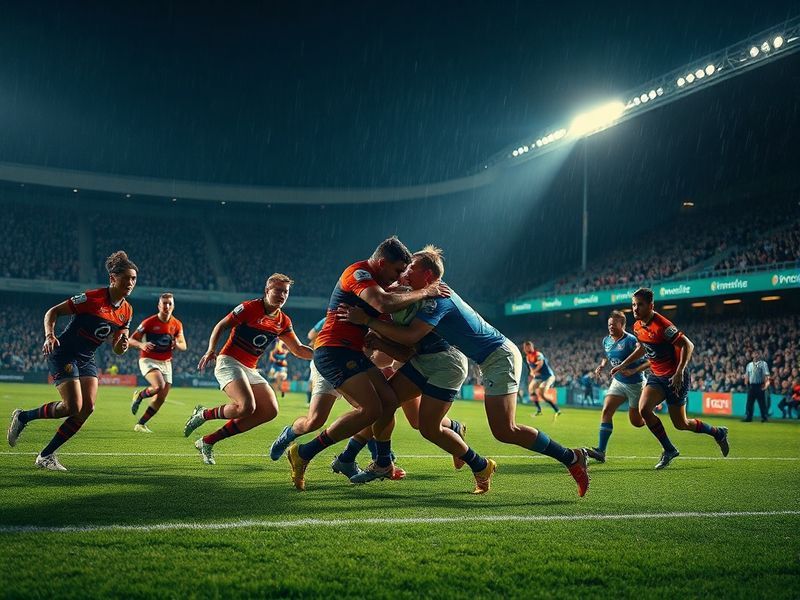
Television transformed rugby league from a regional pastime into a global spectacle. What began as modest local broadcasts has evolved into a multi-billion-dollar media industry, reshaping how fans consume the game, how clubs operate, and how the sport itself is played. The evolution of rugby league on TV reflects broader trends in sports media—streaming wars, the rise of fan engagement tools, and the relentless pursuit of accessibility.
The Early Days: From Local Broadcasts to National Screens
Rugby league first appeared on television in the 1950s, when British broadcasters aired grainy, black-and-white matches to regional audiences. These early broadcasts were sporadic, often limited to cup finals or representative games. The sport’s working-class roots meant that TV coverage was slow to expand, lagging behind rugby union and football in both frequency and production quality.
By the 1980s, satellite television began to change the landscape. Australian networks like Channel 9 and later Fox Sports invested heavily in rugby league, broadcasting live matches from the NSWRL premiership. This shift coincided with the sport’s growing professionalism and the emergence of star players like Mal Meninga and Laurie Daley, whose personalities drew audiences beyond traditional fanbases.
The turning point came in 1997, when Rupert Murdoch’s News Corporation secured broadcasting rights for the newly formed National Rugby League (NRL). This deal not only injected millions into the sport but also positioned rugby league as a prime-time product. The move set the template for modern sports broadcasting: high production values, expert commentary, and a focus on storytelling around the game.
Modern Broadcasts: Streaming, Social Media, and the Fan Experience
Today, rugby league on TV is unrecognisable from those early broadcasts. The rise of streaming platforms like Kayo Sports, Fox Sports, and the NRL’s own app has democratised access. Fans no longer need a satellite dish or cable subscription to watch live games. Instead, they can stream matches on their phones, tablets, or smart TVs, often with multiple camera angles and real-time stats.
Social media has further amplified the broadcast experience. Highlights clips circulate within minutes on platforms like Twitter, Instagram, and TikTok, turning every tackle and try into shareable content. Clubs and leagues now tailor their broadcasts to these platforms, producing short-form videos, behind-the-scenes footage, and interactive polls to keep fans engaged between games.
Broadcasters have also embraced advanced analytics and augmented reality to enhance viewing. On-screen graphics now show player heat maps, tackle success rates, and even predictive modelling of set-piece outcomes. These tools don’t just inform—they entertain, turning passive viewers into active analysts.
Key Features of Modern Rugby League Broadcasts
- Multi-angle streaming: Fans can switch between live feeds, including sideline cameras and player cams.
- Interactive overlays: Real-time stats, player comparisons, and tactical breakdowns appear during play.
- Social media integration: Broadcasters curate fan reactions, memes, and debates into the broadcast feed.
- On-demand replays: Miss a game? Catch up within hours with full match replays and condensed highlights.
- Global reach: International feeds now include commentary in multiple languages, expanding the sport’s footprint.
Impact on the Sport: From Grassroots to Globalisation
The influence of television extends far beyond the screen. Broadcasting rights fees now account for over 50% of the NRL’s revenue, funding grassroots programs, player salaries, and stadium upgrades. This financial windfall has transformed rugby league from a semi-professional code into a fully commercialised sport, attracting investors and corporate sponsors.
Clubs have adapted by prioritising marketable players—athletes with charisma, social media presence, and cross-code appeal. The rise of the “athlete-brand” is directly tied to TV exposure. Players like Cameron Smith and Johnathan Thurston became household names not just for their on-field brilliance but for their off-field personas, cultivated through interviews, documentaries, and sponsorships.
Television has also reshaped the calendar. The NRL’s shift to a September grand final was partly driven by TV scheduling, as broadcasters sought a later finish to maximise advertising revenue. Meanwhile, international expansion—such as the NRL’s pre-season Nines tournaments in the US and Pacific Islands—is explicitly designed to grow global audiences for TV consumption.
Yet the relationship between rugby league and television is not without tension. Broadcasters demand more games, more content, and more access, leading to fixture congestion and player fatigue. The rise of women’s rugby league, while a positive development, has also been shaped by TV demands, with the NRL Women’s Premiership now scheduled to align with men’s broadcasts for maximum exposure.
The Future: What’s Next for Rugby League on TV?
The next frontier for rugby league broadcasting is interactivity. Virtual reality (VR) and augmented reality (AR) could allow fans to experience games from the perspective of their favourite players or even step onto the field themselves. Imagine watching a match from the referee’s viewpoint or using AR to overlay historical footage during a broadcast.
Artificial intelligence is also poised to play a role. AI-driven cameras could track player movements in real time, providing broadcasters with instant tactical insights. Meanwhile, personalised feeds—where fans curate their own viewing experience—could become the norm, with AI recommending highlights based on past behaviour.
Another trend is the blurring of traditional and digital media. The NRL’s partnership with YouTube and Twitch for exclusive content shows how broadcasters are adapting to younger audiences who consume sports in fragmented ways. These platforms offer behind-the-scenes access, player vlogs, and even interactive watch parties, where fans can chat while watching.
However, the biggest challenge may be sustainability. As streaming services proliferate, competition for live sports rights is intensifying. The cost of broadcasting rights is soaring, and not all leagues will survive the financial strain. Rugby league must balance its traditional roots with the demands of a digital-first audience to remain relevant.
What Fans Can Expect in the Coming Years
- More personalisation: AI-driven highlights, custom camera angles, and tailored commentary options.
- Immersive experiences: VR and AR could redefine how fans “attend” games without leaving home.
- Globalised content: More international feeds, language options, and culturally adapted broadcasts.
- Fan-driven narratives: Clubs and leagues will increasingly let fans shape storylines, from player drafts to jersey designs.
- Sustainable models: Expect hybrid broadcast-subscription models to balance accessibility and revenue.
Rugby league on TV has come a long way from those grainy 1950s broadcasts. It has driven the sport’s growth, shaped its culture, and redefined the fan experience. As technology advances, the relationship between rugby league and television will continue to evolve—but one thing is certain: the screen will remain central to the sport’s future.
For fans looking to dive deeper into rugby league’s evolving media landscape, explore our Trending and Sports sections for the latest analysis and updates.