Schefflera: A Green Symbol of Global Resilience
From the humid jungles of Southeast Asia to the polished lobbies of corporate towers in New York, the Schefflera plant has quietly established itself as a universal favorite. Known for its glossy, umbrella-like leaves and adaptable nature, this tropical evergreen has transcended its origins to become a staple in homes, offices, and urban landscapes worldwide. More than just an ornamental fixture, the Schefflera embodies resilience, versatility, and the quiet power of nature in human spaces.
Its journey is not merely one of botanical migration but of cultural adaptation. Across continents, the Schefflera has been embraced not only for its aesthetic appeal but also for its perceived air-purifying qualities and low-maintenance care. In regions where winter means months without green, this plant thrives indoors, offering a touch of the tropics year-round. Its presence reflects broader trends in global plant popularity, where accessibility, durability, and visual harmony drive consumer choices.
The Botanical Identity of Schefflera
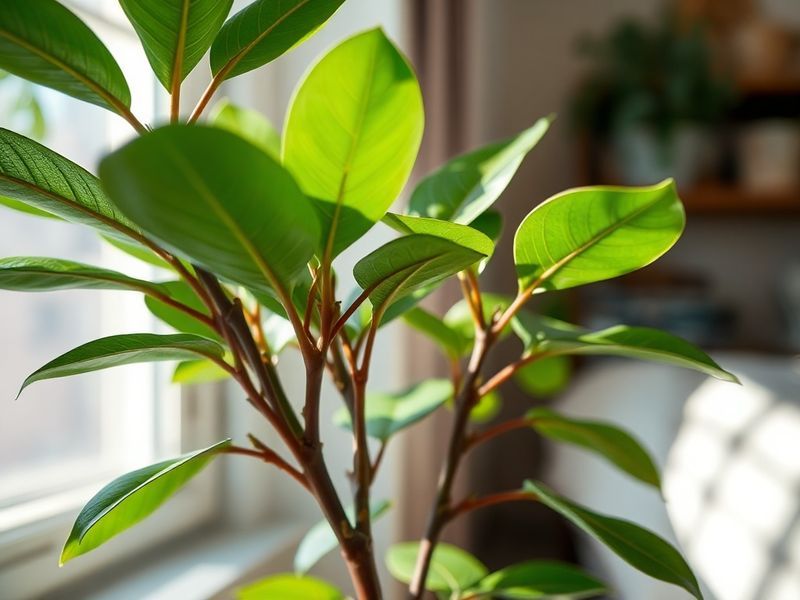
The genus Schefflera belongs to the Araliaceae family and includes over 600 species. Native primarily to tropical and subtropical regions of Asia, Australia, and the Pacific Islands, these plants are often found in rainforests, where they grow as shrubs or trees. The most commonly cultivated species, Schefflera arboricola (often called the dwarf umbrella tree), is particularly favored for indoor cultivation due to its compact size and glossy, palmate leaves arranged in a radiating pattern.
Botanically, the Schefflera is recognized by its compound leaves, which resemble the spokes of an umbrella—hence the common name “umbrella plant.” Some varieties develop small, greenish-white flowers when grown outdoors, though flowering is rare indoors. The plant’s ability to grow tall yet remain slender makes it ideal for both floor arrangements and tabletop displays.
A Global Journey: From Jungle to Living Room
The Schefflera’s migration from wild ecosystems to domestic interiors is a story of adaptation and human preference. It first gained attention in Western horticulture during the 19th century, as colonial botanists and plant collectors introduced tropical species to European and North American greenhouses. By the mid-20th century, improved propagation techniques and rising interest in indoor plants helped popularize the Schefflera in mainstream gardening.
Today, the plant’s global footprint is evident:
- Asia: In countries like Thailand and Vietnam, Schefflera is sometimes used in traditional medicine, while in Singapore and Japan, it is a common sight in office foyers and shopping malls.
- Europe: Scandinavian design aesthetics favor clean lines and green accents—Schefflera fits perfectly in minimalist interiors from Stockholm to Milan.
- North America: It is a staple in interior landscaping, often seen in hotels, hospitals, and corporate buildings due to its tolerance for low light and irregular watering.
- Middle East: In Dubai and Doha, where indoor greenery requires careful management of humidity and temperature, Schefflera thrives in climate-controlled malls and luxury residences.
This widespread adoption reflects a broader cultural shift toward biophilic design—the integration of nature into built environments. Whether as a symbol of prosperity in Feng Shui or a practical air purifier in a high-rise apartment, the Schefflera adapts to meaning as much as to climate.
The Cultural Symbolism Behind the Leaves
In many cultures, plants carry symbolic weight beyond their biological function. The Schefflera, with its layered, circular leaves, is often associated with unity, growth, and prosperity. In Chinese culture, its round form is reminiscent of coins, making it a popular gift during Lunar New Year to wish for financial success. Meanwhile, in Western contexts, its symmetrical, radiating structure is seen as a metaphor for balance and harmony.
Interestingly, the Schefflera’s resilience also makes it a metaphor for human adaptability. In urban environments where natural spaces are limited, the plant thrives on neglect—its thick, waxy leaves conserve water, and it can recover from underwatering better than many flowering houseplants. This trait has endeared it to busy professionals and minimalist homeowners alike.
In some Pacific Island traditions, Schefflera species are used in ceremonial garlands, symbolizing respect and connection to the land. These diverse interpretations highlight how a single plant can carry multiple layers of meaning across societies.
Care, Cultivation, and Common Misconceptions
One reason for the Schefflera’s enduring popularity is its reputation as an “unkillable” plant. While not entirely indestructible, it is far more forgiving than many tropical alternatives. Proper care involves:
- Light: Prefers bright, indirect light but can tolerate medium to low light (though growth may slow).
- Water: Allow the top inch of soil to dry between waterings; overwatering is the most common cause of decline.
- Humidity: Enjoys moderate humidity but adapts well to dry indoor air.
- Pruning: Can be trimmed to maintain shape; pruned cuttings can be propagated in water or soil.
A frequent misconception is that Schefflera is toxic to pets. While it is indeed considered mildly toxic to cats and dogs if ingested in large quantities—causing oral irritation and vomiting—it poses far less risk than plants like lilies or philodendrons. Many pet owners still choose it for its durability and visual appeal.
Another myth is that it requires constant attention. In reality, Schefflera thrives on neglect, making it ideal for travelers or those new to plant care. Its slow growth rate also means fewer repotting demands compared to faster-growing species.
Beyond the Home: Schefflera in Public and Commercial Spaces
The plant’s role extends far beyond private homes. In sports arenas, corporate headquarters, and healthcare facilities, Schefflera serves as a living design element that enhances well-being. Studies in environmental psychology suggest that the presence of greenery can reduce stress and improve concentration—factors that make Schefflera a cost-effective interior solution.
Urban planners in cities like Singapore and Barcelona have incorporated Schefflera into vertical gardens and green walls, leveraging its adaptability to improve air quality in densely populated areas. Its ability to grow in hydroponic systems also makes it suitable for modern, water-efficient indoor gardens.
Looking Ahead: The Future of Schefflera in a Changing World
As climate change alters growing conditions worldwide, the Schefflera’s adaptability positions it as a plant for the future. Its tolerance for fluctuating temperatures and indoor air quality makes it a resilient choice in both residential and commercial settings. Additionally, as remote work continues to rise, the demand for low-maintenance, visually appealing houseplants is expected to grow—and Schefflera is well-positioned to meet that need.
Breeders are also developing new cultivars with variegated leaves, more compact growth habits, and even enhanced air-purifying properties. These innovations could further solidify its place in the global plant market.
The Schefflera’s story is one of quiet evolution. It has moved from the rainforests of Asia to become a global icon of greenery, adaptability, and understated elegance. In an era of rapid change, this resilient plant reminds us that sometimes, the most enduring solutions are those that grow with us—not against us.