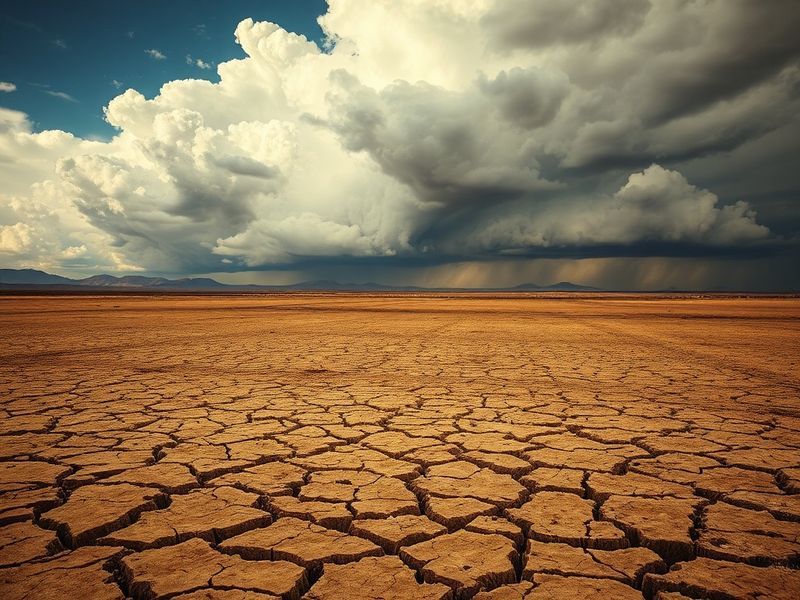
Understanding El Niño: How This Weather Pattern Shapes Global Climates
“`html
What Is El Niño and How Does It Develop?
El Niño is a climate phenomenon characterized by the periodic warming of sea surface temperatures in the central and eastern equatorial Pacific Ocean. This warming disrupts normal weather patterns across the globe, often leading to extreme conditions such as heavy rainfall, droughts, and heatwaves. The term itself comes from Spanish, meaning “the little boy,” a reference to the Christ child, as the phenomenon was often observed by South American fishermen around Christmas time.
The development of El Niño begins with a weakening of the trade winds that normally blow from east to west across the Pacific. As these winds relax, warm water that has accumulated in the western Pacific shifts eastward, suppressing the upwelling of cold, nutrient-rich water along the coasts of South America. This shift in ocean temperatures alters atmospheric circulation, triggering a cascade of weather changes worldwide.
The Science Behind El Niño
El Niño is part of a larger climate cycle known as the El Niño-Southern Oscillation (ENSO), which includes two opposite phases: El Niño and La Niña. During El Niño, warm ocean temperatures dominate, while La Niña is marked by cooler-than-average sea surface temperatures. The Southern Oscillation refers to the seesaw pattern of atmospheric pressure between the western and central Pacific.
Scientists monitor El Niño using a variety of tools, including satellites, buoys, and computer models. The National Oceanic and Atmospheric Administration (NOAA) issues regular updates and forecasts to help governments and communities prepare for its impacts. Understanding these patterns is crucial for agriculture, water resource management, and disaster preparedness.
Global Impacts of El Niño: From Droughts to Deluges
El Niño’s influence extends far beyond the Pacific, affecting weather systems across North America, South America, Asia, Africa, and even Europe. Its impacts vary depending on the season and region, but some of the most significant effects include:
- North America: The southern United States often experiences wetter-than-average conditions, while the northern states and Canada may face milder winters with reduced snowfall. Hurricanes in the Atlantic tend to be less frequent due to increased wind shear.
- South America: Coastal regions of Peru and Ecuador frequently endure torrential rains and flooding, while parts of Brazil and Argentina suffer from droughts that can devastate crops.
- Asia and Australia: Countries like Indonesia and Australia typically endure severe droughts, increasing the risk of wildfires. Meanwhile, India may experience weaker monsoons, leading to agricultural losses.
- Africa: Southern Africa often faces reduced rainfall, contributing to food shortages, while East Africa may see heavy rains and flooding.
- Europe: The continent can experience colder winters in northern regions and stormier conditions in the south, though these effects are less predictable.
Cultural and Economic Consequences
Beyond its environmental effects, El Niño carries significant cultural and economic weight. In regions prone to drought, such as Australia and parts of Africa, water shortages can lead to social unrest and migration. Farmers in these areas often struggle to adapt, leading to food price fluctuations and economic instability.
In contrast, some regions benefit from El Niño’s effects. For example, the southwestern United States may see increased water supplies in reservoirs, while parts of South America experience boosts in agricultural output due to favorable rainfall. However, these benefits are often temporary and come with long-term trade-offs.
Historically, El Niño has played a role in shaping human civilizations. Ancient Peruvian cultures, such as the Moche and Chimú, documented its impacts in their art and agriculture. Today, communities worldwide continue to adapt their traditions and livelihoods to the challenges posed by this recurring phenomenon.
Preparing for El Niño: Lessons from Past Events
El Niño events occur roughly every 2-7 years, with varying intensity. The most recent significant events took place in 1997-1998, 2015-2016, and 2018-2019. Each of these episodes caused widespread disruption, but they also provided valuable lessons for future preparedness.
Governments and organizations have developed strategies to mitigate El Niño’s impacts. These include:
- Early Warning Systems: Improved forecasting allows communities to prepare for extreme weather events, such as evacuations and resource stockpiling.
- Agricultural Adaptations: Farmers are encouraged to diversify crops or switch to drought-resistant varieties to reduce losses.
- Water Management: Investments in infrastructure, such as reservoirs and desalination plants, help regions cope with water shortages.
- Public Awareness Campaigns: Educating communities about El Niño’s risks fosters resilience and encourages proactive measures.
For example, during the 2015-2016 El Niño, Peru declared a state of emergency in several regions due to the threat of flooding. The government coordinated with international aid organizations to provide relief and support recovery efforts. Similarly, Australia implemented water restrictions and launched public campaigns to conserve resources during severe droughts.
The Role of Climate Change
While El Niño is a natural climate cycle, some scientists suggest that climate change may be intensifying its effects. Rising global temperatures can amplify the frequency and severity of extreme weather events linked to El Niño. For instance, warmer ocean temperatures may lead to stronger El Niño events, while increased evaporation rates could worsen droughts.
Understanding this relationship is critical for policymakers and scientists working to address climate change. As the world continues to warm, the interplay between El Niño and global warming may become even more pronounced, posing new challenges for adaptation and resilience.
Looking Ahead: The Future of El Niño
As we move forward, the study of El Niño remains a vital field of research. Advances in climate modeling and data collection are improving our ability to predict its impacts with greater accuracy. However, the unpredictable nature of weather systems means that surprises are always possible.
For communities around the world, the key to navigating El Niño lies in preparedness and adaptability. Whether through technological innovation, policy changes, or cultural shifts, societies must remain vigilant in the face of this powerful climate phenomenon.
By learning from past events and embracing sustainable practices, we can reduce the risks posed by El Niño and build a more resilient future. The lessons of El Niño remind us of the delicate balance between human societies and the natural world—and the urgent need to protect it.