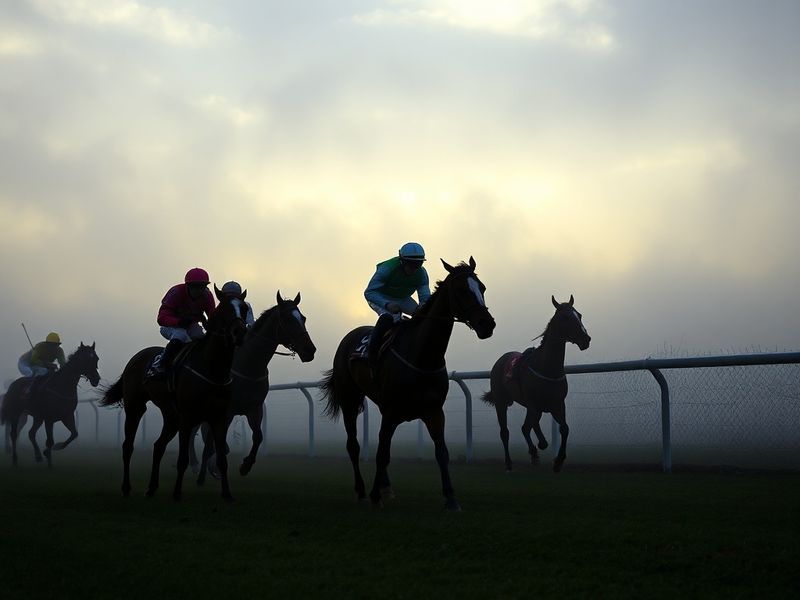
The Grand National at Aintree is as much a test of endurance for horses and jockeys as it is a battle against the unpredictable British weather. The race, steeped in tradition since 1839, unfolds on a course notorious for its challenging conditions. Rain, wind, and even sunshine can dramatically alter the outcome, turning a seemingly straightforward race into a grueling ordeal. Understanding Aintree’s weather patterns isn’t just a matter of curiosity—it’s essential for trainers, punters, and spectators alike.
The Unpredictable Nature of Aintree’s Climate
Aintree, located near Liverpool, sits in one of the UK’s wettest regions. The course’s undulating terrain and natural drainage system mean that even moderate rainfall can create testing ground conditions. The Grand National course features 30 fences, many of which are adorned with spruce from the Lake District, adding to the challenge when wet. The infamous “Melling Road” section, where runners cross a public road, becomes particularly treacherous after prolonged rain.
Historically, the race has been postponed or abandoned only twice due to weather—once in 1997 because of waterlogging and again in 2020 because of the COVID-19 pandemic. The 1997 cancellation, in particular, highlighted how quickly conditions can deteriorate. Heavy rain in the days leading up to the race turned the course into a quagmire, making racing unsafe. Such incidents serve as a reminder that Aintree’s weather is not just a background detail but a defining factor in the race’s narrative.
Key Weather Factors That Influence the Grand National
Several meteorological elements play a crucial role in determining the outcome of the Grand National:
- Rainfall: The amount and timing of rain directly affect ground conditions. Heavy rain in the days before the race can lead to softer ground, favoring horses with stamina over those with turn-of-foot speed.
- Wind Speed: Strong winds can disrupt a horse’s rhythm, particularly over the open sections of the course. Headwinds make jumping more laborious, while crosswinds can unsettle inexperienced runners.
- Temperature: Cold temperatures can stiffen muscles, increasing the risk of injury. Conversely, warmer weather might lead to faster ground but can also cause dehydration in horses.
- Fog: Reduced visibility poses a significant risk, especially over the final few fences where mistakes are most costly.
Trainers and jockeys spend months preparing for these variables. Some horses thrive in heavy ground, while others are better suited to firmer conditions. The ability to adapt strategies based on weather forecasts often separates the winners from the also-rans.
Historical Weather Moments That Defined the Race
The Grand National has seen its fair share of dramatic weather-related stories. One of the most memorable occurred in 1967 when a blizzard blanketed Aintree just hours before the race. The conditions were so severe that only 11 of the 28 starters completed the course. The winner, Foinavon, avoided a pile-up at the 23rd fence, which became known as the “Foinavon Fence” due to the chaos it caused. This race underscored how weather can turn an elite field into a chaotic scramble.
Another notable example is the 2001 Grand National, run on heavy ground after persistent rain. Red Marauder, a 33-1 outsider, won by a distance in what many considered one of the most unpredictable renewals in history. The conditions played a significant role in narrowing the field early, allowing the eventual winner to dictate the pace from the front.
These instances demonstrate that Aintree’s weather doesn’t just influence the race—it can redefine it. A shift in conditions can turn a frontrunner into a non-contender or elevate an underdog to glory. For spectators, these moments create some of the most enduring memories in horse racing.
How Modern Forecasting is Changing the Game
In recent years, advancements in weather forecasting have given trainers and jockeys a clearer picture of what to expect. Met Office data, combined with course-specific insights, allows for more precise preparation. For example, knowing the exact timing of rain can help trainers decide whether to avoid the race or adjust a horse’s training regimen.
The introduction of synthetic tracks at other racecourses has also sparked discussions about the future of the Grand National. Some argue that a more controlled environment could mitigate weather risks, though traditionalists resist such changes. The debate highlights a tension between preserving the race’s heritage and adapting to modern realities.
For spectators, weather forecasts add another layer of excitement. Punters now study meteorological reports almost as closely as they study form guides. A forecast of “good to soft” ground might send the bookmakers into a frenzy, while “heavy” could see odds swing wildly as trainers revise their plans.
If you’re planning to attend the Grand National, preparation is key. Check out our sports section for tips on what to wear and how to navigate the course in varying conditions. For those betting on the race, understanding how weather affects odds can provide a strategic edge. Explore our entertainment guides for insights into how to make the most of your Grand National experience.
Conclusion: Embracing the Unpredictable
The Grand National’s relationship with weather is a microcosm of the broader unpredictability that makes horse racing so compelling. Aintree’s conditions test the limits of horse and rider, turning a sport into a spectacle. While modern forecasting has brought some clarity, the essence of the race remains rooted in its ability to surprise.
For trainers, the challenge is balancing preparation with adaptability. For jockeys, it’s about reading the conditions as much as reading the race. And for spectators, it’s the thrill of not knowing whether the sun will shine or the rain will pour that keeps them coming back year after year.
In many ways, the Grand National is as much a celebration of resilience as it is a test of skill. The horses that triumph aren’t just the fastest or the most talented—they’re the ones that rise to the occasion when the ground is heavy, the wind is howling, and the stakes couldn’t be higher. That’s the magic of Aintree, and why the weather will always be part of the story.