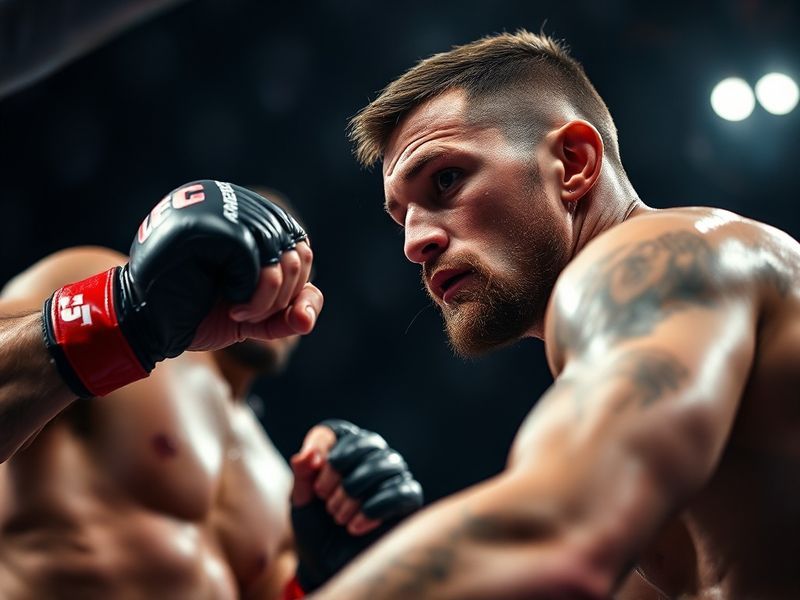
In the combat sports world, few fighters have risen from obscurity to legendary status quite like Cub Swanson. Born Jeremiah James Swanson in Palm Springs, California, in 1983, Swanson didn’t follow the typical path to MMA stardom. He wasn’t a decorated amateur wrestler or a product of a high-profile camp. Instead, his journey was marked by relentless work ethic, adaptability, and an unshakable belief in his own abilities.
Swanson’s career spanned over a decade in the UFC, where he became known not just for his victories, but for his ability to thrive in high-pressure situations. His fighting style—a blend of crisp boxing, unorthodox angles, and submission threats—made him a fan favorite. Beyond the cage, Swanson’s personality and transparency endeared him to audiences worldwide, turning him into one of MMA’s most relatable figures.
The Early Years: From California to the Cage
Growing up in a military family, Swanson moved frequently as a child. His exposure to different cultures and environments shaped his adaptable mindset, a trait that later defined his fighting career. As a teenager, he discovered boxing and quickly fell in love with the sport. By the time he was 21, he had transitioned to MMA, training under the guidance of coaches who recognized his potential.
Swanson’s early career was anything but smooth. He suffered setbacks, including a knockout loss that could have derailed a less determined fighter. Instead, he used it as fuel. His 2007 victory at Strikeforce: Playboy Mansion against Anthony Waldburger marked the beginning of his rise. The win showcased his striking prowess and set the stage for his eventual UFC debut in 2009.
His UFC career began with promise but also with challenges. Swanson’s first few fights were a mix of wins and losses, reflecting the volatility of early MMA careers. Yet, each bout taught him something new—about strategy, resilience, and the mental fortitude required to compete at the highest level. By 2011, he had established himself as a top contender in the featherweight division.
A Global Perspective: Swanson’s Impact Beyond the Octagon
Swanson’s influence extended far beyond his in-cage performances. In an era where MMA was still fighting for mainstream acceptance, he played a pivotal role in expanding the sport’s global reach. His fights were broadcast in over 170 countries, and his fanbase grew exponentially, particularly in Europe and Asia, where MMA was still emerging as a major sport.
What set Swanson apart was his authenticity. Unlike many fighters who carefully curate their public image, Swanson embraced his quirks—his unfiltered social media presence, his love for music, and his willingness to engage with fans on a personal level. This approach resonated globally, particularly in markets where combat sports were still carving out their identity.
Swanson’s fights often drew comparisons to the classic underdog stories of other sports. For example, his 2015 knockout of Hacran Dias at UFC 187 mirrored the David vs. Goliath narratives seen in boxing, where lesser-known fighters defy the odds. This storytelling element helped MMA transcend its niche appeal, attracting casual sports fans who appreciated the drama and unpredictability of the sport.
His rivalry with Max Holloway, another global MMA star, further cemented his legacy. Their 2016 fight at UFC 206 was a technical masterclass, with Swanson nearly pulling off an upset in front of a sold-out crowd in Toronto. While Holloway ultimately won, the fight was a testament to Swanson’s ability to compete with the best in the world, regardless of geography or reputation.
The Cultural Significance of Swanson’s Career
Swanson’s career unfolded during a transformative period for MMA. When he debuted in the UFC, the sport was still fighting for legitimacy in the eyes of mainstream sports media. Fighters like Swanson helped change that narrative by delivering performances that were both exciting and technically sound.
His success also highlighted the importance of storytelling in sports. Swanson’s background—a military family, a late start in MMA, and a fighting style that defied convention—made him a compelling figure. Sports journalists and commentators often used his career as an example of how perseverance and adaptability could overcome traditional barriers to success.
In countries like Brazil, where MMA was already a cultural phenomenon, Swanson’s fights were eagerly anticipated. His technical striking and submission skills made him a natural fit for a sport that valued well-rounded fighters. Meanwhile, in Europe, where combat sports were still growing, Swanson’s fights helped introduce new audiences to the nuances of MMA.
Legacy and Life After Fighting
Swanson retired from professional fighting in 2022, leaving behind a legacy that extends beyond his record. He finished his career with 30 wins, 14 losses, and one no-contest, but his impact on the sport is measured in more than just numbers. Swanson’s ability to connect with fans, his willingness to take on challenges, and his refusal to conform to expectations made him a standout figure in MMA history.
After retiring, Swanson transitioned into commentary and analysis, bringing the same authenticity and insight to the broadcast booth that he did during his fighting career. His commentary on major MMA events is widely praised for its candor and technical expertise, further solidifying his role as a bridge between the sport and its fans.
Swanson’s post-fighting career also reflects his adaptability. He has ventured into music, releasing tracks under his stage name, Cub Swanson, and even collaborating with other artists. This creative outlet allows him to express himself outside the confines of the octagon, much like his unorthodox fighting style reflected his personality.
Beyond his professional endeavors, Swanson has remained a vocal advocate for fighter safety and mental health. His openness about the challenges of life after fighting has resonated with many athletes, particularly in combat sports where the transition to retirement can be abrupt and difficult.
Lessons from Swanson’s Journey
Cub Swanson’s career offers several lessons, not just for aspiring fighters but for anyone striving to carve out their own path. Here are a few key takeaways:
- Adaptability is key: Swanson’s ability to evolve his game, adjust to opponents, and thrive in different environments was central to his success. He wasn’t the most physically gifted fighter, but his adaptability made him a constant threat.
- Authenticity matters: In an era of curated social media personas, Swanson’s unfiltered approach set him apart. Fans appreciated his honesty, whether it was discussing his losses or sharing his personal struggles.
- Storytelling sells: Swanson’s career was as much about narrative as it was about athleticism. His background, fighting style, and personality created a compelling story that resonated with audiences worldwide.
- Mental toughness is non-negotiable: Swanson’s ability to bounce back from setbacks—whether it was a knockout loss or a career-threatening injury—demonstrated the importance of mental resilience in sports.
Conclusion: A Fighter for the Ages
Cub Swanson’s career is a testament to the power of perseverance, adaptability, and authenticity. From his humble beginnings in California to his global impact on MMA, Swanson proved that success in sports isn’t solely determined by pedigree or physical gifts. Instead, it’s about heart, hard work, and the willingness to defy expectations.
His legacy extends beyond his record or championship status. Swanson helped shape MMA’s cultural footprint, making the sport more accessible and relatable to fans around the world. Whether through his fighting, his commentary, or his creative pursuits, he left an indelible mark on the sport he loved.
As MMA continues to evolve, fighters like Swanson serve as a reminder of the sport’s roots—the underdogs who clawed their way to the top, the innovators who redefined what it means to be a champion, and the personalities who made the sport unforgettable. Cub Swanson isn’t just a fighter; he’s a symbol of what it means to fight for something greater than yourself.