The Origins of Face Off in Competitive Culture
The concept of “face off” transcends a single definition. It evokes images of athletic showdowns, artistic battles, and even digital confrontations. Historically, the phrase dates back to medieval duels, where opponents would literally stand face to face before striking. Over centuries, the term evolved, embedding itself in military strategy, sports, and popular entertainment.
In Japan, the tradition of kettō—a formal duel of skill—mirrors the Western interpretation of face off. These contests, rooted in samurai culture, emphasized honor and precision. Meanwhile, in European fencing circles during the 17th century, the phrase “face to face” described the moment before combat when opponents sized each other up. These early examples illustrate how the idea of direct confrontation became a universal metaphor for challenge and rivalry.
The Role of Face Off in Modern Sports
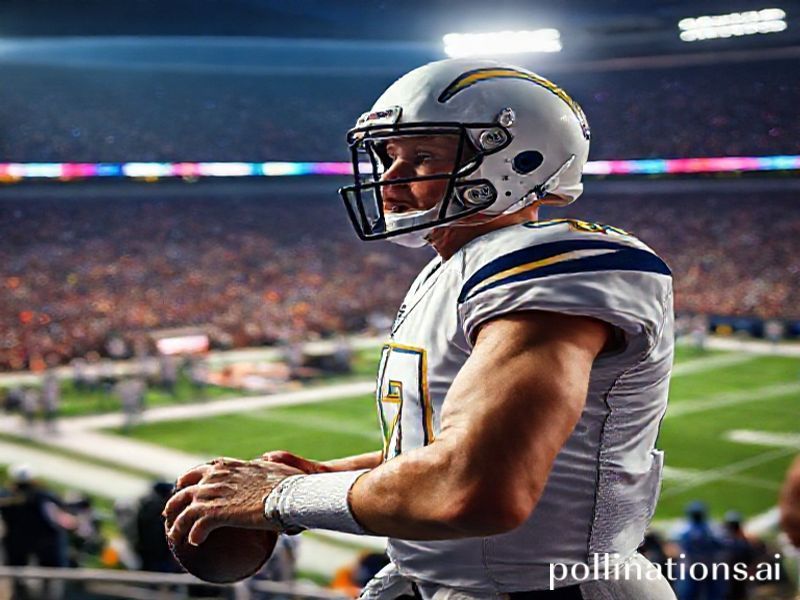
Sports have amplified the drama of face offs, transforming them into spectacles that draw global audiences. In the world of hockey, the face off is a ritualized moment at the start of play, where centers battle for control of the puck. This small but critical action can set the tone for an entire game. Similarly, in mixed martial arts (MMA), the staredown before a fight serves as psychological warfare, with fighters attempting to intimidate opponents before physical contact begins.
Beyond North America, face offs play pivotal roles in other sports. Sumo wrestling in Japan begins with shikiri, a face off where wrestlers crouch and glare at each other before charging. This ritual underscores the sport’s emphasis on mental fortitude as much as physical strength. In cricket, the face off between bowler and batsman is a high-stakes duel of strategy and reflexes, watched by millions across the Commonwealth.
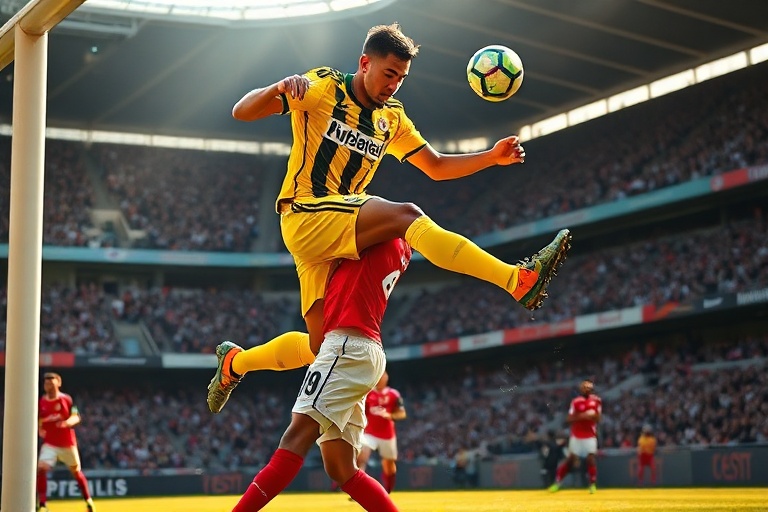
The globalization of sports has further cemented the face off as a cultural touchstone. International competitions like the Olympics and FIFA World Cup turn these moments into shared experiences, uniting fans worldwide in anticipation. The face off is no longer just about competition; it’s about storytelling, identity, and national pride.
From Sports to Pop Culture: The Rise of Face Off as Entertainment
The 20th century saw the face off transition from athletic arenas to entertainment stages. Television amplified its appeal, turning it into a form of spectacle. Reality TV embraced the concept, with shows like Face Off (a Syfy competition where makeup artists transformed contestants) redefining the term for new audiences. This series, which ran for 15 seasons, proved that face offs could be as much about creativity as they were about rivalry.
In music, the face off took on a different meaning. Rap battles, popularized by artists like Nas and Jay-Z in the 1990s, turned lyrical sparring into an art form. These verbal duels, often staged in front of live audiences, became a staple of hip-hop culture, influencing everything from underground cyphers to mainstream media. The face off here is less about physical confrontation and more about wit, rhythm, and cultural commentary.
The Digital Face Off: How the Internet Redefined Competition
The internet has democratized the face off, allowing anyone with a device to participate. Social media platforms like Twitter and TikTok host virtual showdowns, where users debate, challenge, and mock one another in real time. Memes, often born from these digital face offs, spread globally within hours, creating a new kind of cultural currency.
Gaming has also embraced the face off. Multiplayer online battle arenas (MOBAs) like League of Legends and Dota 2 thrive on 5v5 team face offs, where strategy and coordination decide the outcome. Meanwhile, fighting games such as Street Fighter and Mortal Kombat distill the face off into one-on-one battles, testing players’ reflexes and adaptability. Esports has turned these digital face offs into billion-dollar industries, with tournaments filling stadiums and streaming to millions.
The rise of streaming platforms like Twitch has further blurred the lines between competition and entertainment. Streamers often engage in face offs with their audiences, whether through charity challenges, speedrunning marathons, or reaction videos. These interactions foster a sense of community while keeping the spirit of rivalry alive in a digital space.
The Psychology Behind the Face Off
At its core, the face off is a psychological battle. Studies in sports psychology show that the moments leading up to direct confrontation trigger heightened focus and stress responses. Athletes often report a surge of adrenaline, sharpening their reflexes and intensifying their awareness. This phenomenon isn’t limited to sports; it applies to any high-stakes face off, from business negotiations to political debates.
Anthropologists suggest that the face off taps into primal instincts. Humans, like many animals, use direct eye contact and body language to assert dominance or gauge intentions. A prolonged stare can signal confidence or aggression, while averting gaze may indicate submission. These non-verbal cues are deeply ingrained, making the face off a universal language of challenge.
In competitive environments, the face off also serves as a test of mental resilience. Athletes and performers often train specifically for these moments, using visualization techniques to prepare. For example, tennis players like Serena Williams have spoken about the mental game of facing off against an opponent, where confidence and composure can outweigh raw skill.
Cultural Variations of the Face Off
The face off manifests differently across cultures, reflecting societal values and traditions. In some Indigenous Australian communities, ceremonial face offs are part of coming-of-age rituals, where young men must endure physical and psychological trials to prove their readiness for adulthood. These rituals emphasize endurance and respect, rather than outright competition.
In contrast, Western corporate culture often uses face offs metaphorically, such as during job interviews or boardroom presentations. Here, the face off is less about physical confrontation and more about intellectual sparring, where candidates must defend their ideas under pressure. This version of the face off highlights the evolution of the term in professional settings.
In East Asian cultures, face offs are frequently avoided in favor of indirect communication. However, when they do occur, they carry significant weight. For example, in South Korea’s ssireum (traditional wrestling), the face off is a display of respect before the match begins. The ritual underscores the balance between competition and honor, a theme that resonates in many Asian societies.
Why the Face Off Endures
The face off persists because it taps into fundamental human experiences: challenge, rivalry, and the thrill of competition. Whether in sports, entertainment, or everyday life, these moments create narratives that captivate audiences. They offer a glimpse into the psyche of individuals and groups, revealing what drives them to push boundaries.
Technology has expanded the possibilities of the face off, but its essence remains unchanged. A face off in a Tokyo sumo ring or a New York City boxing ring still comes down to the same primal elements: preparation, anticipation, and the moment of truth. As long as humans seek to test their limits, the face off will remain a cornerstone of culture.
For those who participate, the face off is a rite of passage. For spectators, it’s a source of drama and inspiration. And for societies, it’s a reminder of the power of direct confrontation—whether in triumph or defeat. The face off isn’t just a moment; it’s a story, and we’re all part of it.