Face Off: How Confrontation Shaped Sports and Pop Culture
“`html
Face Off: The Global Evolution of Confrontation in Sports and Entertainment
The term face off carries different meanings across cultures and contexts, from the frozen stares of hockey players to the dramatic showdowns of reality TV. It represents a moment of direct confrontation, whether physical, verbal, or psychological. While the phrase itself originated in sports, its influence has spread into entertainment, politics, and even digital spaces. This evolution reflects deeper societal trends about competition, visibility, and public engagement.
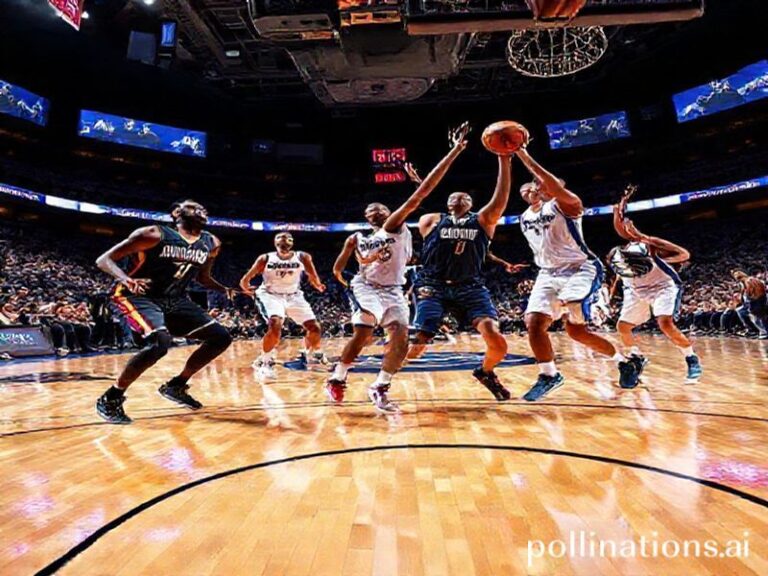
In sports, the face off is a ritualized moment of tension. Players stand inches apart, eyes locked, as they prepare to battle for control. The outcome often sets the tone for the entire game. Beyond the rink or field, these moments have become spectacles in their own right, amplified by global broadcasting and social media. The psychological warfare between athletes before a match has turned into a form of entertainment, shaping how fans perceive rivalry.
The Origins of Face Off in Sports
The face off traces its roots to ice hockey, where it serves as both a starting mechanism and a strategic play. Introduced in the late 19th century, the ritualized drop of the puck between two players evolved from simpler face-offs in field hockey and other early sports. The National Hockey League (NHL) later formalized the process, standardizing referee techniques and player positioning to ensure fairness.
Yet the face off was never just about fairness. It became a psychological tool. Players would use eye contact, body language, and even trash talk to intimidate opponents before the whistle blew. By the mid-20th century, these pre-game rituals had entered popular culture. Hockey players like Gordie Howe and Bobby Orr became icons not only for their skill but for their ability to dominate the mental game—including the face off.
The rise of televised sports in the 1970s and 1980s transformed the face off into a global spectacle. Networks like ESPN and TSN began broadcasting close-ups of players during face-offs, turning a three-second moment into must-see TV. This shift turned athletes into performers, where the face off became part of the narrative: Who has the edge? Who looks more determined? Who blinks first?
From Sports to Reality TV: The Face Off Goes Prime Time
By the late 1990s and early 2000s, the concept of the face off had jumped from sports arenas to living rooms. Reality television embraced the idea of direct confrontation as entertainment. Shows like Survivor and The Apprentice built entire episodes around dramatic showdowns, where contestants faced off in challenges that tested both physical and emotional endurance.
But it was Face Off, the Syfy reality competition series that premiered in 2011, that truly cemented the term in pop culture. The show brought together prosthetic artists and special effects technicians to compete in high-stakes makeup challenges. Each episode featured intense critiques, creative rivalries, and explosive confrontations—echoing the hockey origins but in a creative, artistic context. The series became a cult favorite, spawning international versions and proving that the face off wasn’t just a sports term anymore.
Reality TV’s embrace of the face off reflects broader cultural shifts. In an era of curated social media personas, authenticity often comes through conflict. Viewers are drawn to moments where emotions boil over, where facades crack, and where people are forced to confront each other directly. This mirrors the rise of platforms like YouTube and TikTok, where creators build audiences by staging face-offs—whether in gaming, cooking, or lifestyle content.
Global Variations: How Different Cultures Stage Confrontation
The face off exists in many forms around the world, each shaped by cultural values and traditions. In Japan, for example, the concept of taido (体道), or “body way,” emphasizes respectful confrontation in martial arts like kendo. Practitioners bow deeply before sparring, turning the face off into a ritual of mutual recognition rather than aggression. This reflects Japan’s emphasis on harmony and discipline.
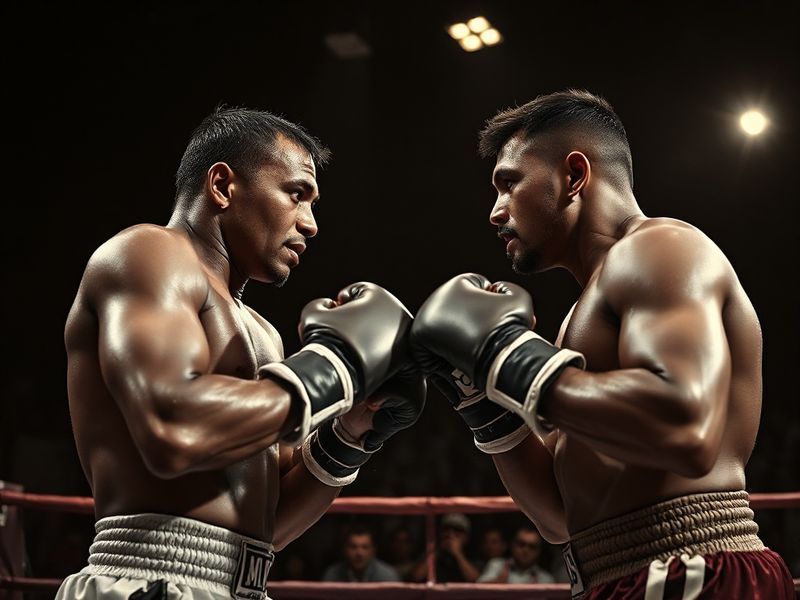
In contrast, the face off in American wrestling takes on a theatrical flair. Wrestlers like Ric Flair and Stone Cold Steve Austin perfected the art of the pre-match stare-down, blending sports with performance art. These moments are choreographed to elicit cheers or boos, turning personal vendettas into public spectacle. The face off in wrestling is less about physical combat and more about storytelling—where the real battle happens in the minds of the audience.
In Latin America, soccer (or football) has its own version of the face off: the cara a cara (face to face) between strikers and goalkeepers during penalty shootouts. The psychological duel under stadium lights is one of the most pressure-filled moments in sports. Players like Lionel Messi and Cristiano Ronaldo have turned penalty shootouts into high-stakes face-offs, where a single moment can define a career.
Meanwhile, in India, the IPL cricket league has popularized the “mankading” rule—a controversial form of dismissal where a bowler can run out the non-striker at the crease before delivering the ball. This has sparked global debates, with some seeing it as a legitimate face off between bowler and batter, and others calling it unsportsmanlike. The controversy itself has become a form of confrontation, played out in media and fan forums worldwide.
The Digital Face Off: Social Media and Virtual Confrontation
Today, the face off has moved beyond physical spaces. Social media platforms like Twitter, Instagram, and TikTok have turned public disputes into digital showdowns. From celebrity feuds to political arguments, users engage in rapid-fire exchanges that mimic the intensity of a hockey face off—but with keyboards instead of sticks.
Platforms like Twitter (now X) thrive on conflict. A single tweet can ignite a firestorm, with users piling on to defend or attack. The speed and scale of these confrontations have redefined public discourse. What was once a private disagreement can become a viral spectacle within hours. This digital face off lacks the physicality of sports but amplifies the psychological stakes—your reputation, your brand, your credibility can hinge on a single post.
Even in gaming, the face off has found a new home. Esports titles like League of Legends and Counter-Strike feature pre-match ceremonies where players stand in a circle, facing each other in silence. The tension is palpable, a digital echo of the hockey rink. Streamers on Twitch have taken this further, staging face-offs between content creators in charity tournaments or sponsored challenges. The goal isn’t just to win—it’s to perform, to entertain, to dominate the narrative.
The Ethics of the Face Off
As the face off has evolved, so have debates about its ethics. Is confrontation always productive? When does a face off cross into bullying or harassment? In sports, trash talk is often celebrated—until it escalates into personal attacks. In reality TV, manufactured drama can feel exploitative. And in digital spaces, online harassment has become a dark side of public confrontation.
Organizations are now addressing these issues. The NHL has implemented rules against excessive taunting. Reality TV producers use psychological consultants to manage on-set conflicts. Social media platforms are under pressure to moderate harmful content. Yet the demand for confrontation remains. Audiences still crave drama, conflict, and resolution—even when the stakes are artificial.
Why We Love the Face Off
At its core, the face off taps into a primal human desire: to test limits, to prove strength, to stand your ground. It’s a microcosm of competition itself. Whether it’s two athletes staring each other down before a face off, two contestants locked in a reality TV challenge, or two celebrities trading barbs on social media, these moments reveal character. They show who can handle pressure, who can outsmart their opponent, and who can command attention.
The face off also reflects societal values. In individualistic cultures like the U.S., confrontation is often seen as a sign of strength. In collectivist cultures, it may be avoided to preserve harmony. Yet across all cultures, the ritual of facing off—whether in person or online—remains a powerful narrative device. It’s a way to simplify complex conflicts into a single, decisive moment.
As technology advances, the face off will continue to evolve. Virtual reality could soon allow players to engage in face-offs across continents, feeling each other’s presence through haptic feedback. AI might generate personalized confrontations in video games, adapting to each player’s style. And social media will keep pushing the boundaries of how and where these moments happen.
One thing is certain: the face off is more than just a starting ritual or a dramatic trope. It’s a mirror to human nature—a way to confront not just our opponents, but ourselves. In a world where indirect communication often dominates, the face off forces us to look each other in the eye. And that, in itself, is worth watching.
Key Takeaways
- The face off originated in hockey but has spread to entertainment, politics, and digital spaces.
- Global variations—from kendo in Japan to penalty shootouts in soccer—show how culture shapes confrontation.
- Social media has turned face-offs into digital spectacles, amplifying both opportunities and risks.
- The ethics of confrontation remain debated, especially as face-offs move online.
- Despite changes, the face off endures because it taps into universal desires for challenge and resolution.