Iran’s Direct Attack on Israel: What It Means for the Middle East
“`html
Iran’s Attack on Israel: What Happened and What Comes Next
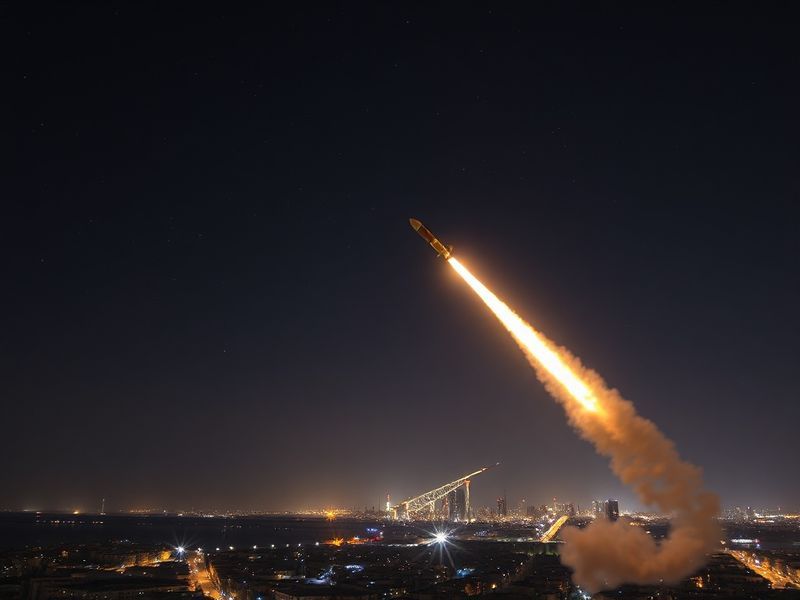
The unprecedented direct assault by Iran on Israeli territory marked a dramatic escalation in the decades-long shadow war between the two nations. On April 13, 2024, Iran launched more than 300 drones, cruise missiles, and ballistic missiles toward Israel, the first time Tehran has ever directly targeted Israeli soil. The operation, codenamed “Operation True Promise,” was framed as retaliation for Israel’s suspected strike on Iran’s consulate in Damascus on April 1, which killed seven Islamic Revolutionary Guard Corps officers, including two generals.
The scale of the attack was unlike anything seen in the region. Israel’s military reported that 99% of the incoming projectiles were intercepted by Israel’s multi-layered air defense systems, including the Arrow, David’s Sling, and Iron Dome systems. Jordan and Iraq also played roles in intercepting some of the drones and missiles, while U.S., British, and French forces stationed in the region provided additional support. Despite the high interception rate, a few missiles struck Israeli military infrastructure in the south, causing damage but no reported casualties.
The Immediate Aftermath: A Delicate Balance of Deterrence
The attack itself was meticulously planned and executed, demonstrating Iran’s growing military capabilities and its willingness to bypass proxies like Hezbollah and Hamas to strike Israel directly. According to intelligence sources, Iran coordinated the operation with its regional allies, including Hezbollah in Lebanon and the Houthis in Yemen, who launched simultaneous attacks on Israeli and U.S. positions. The operation was also timed to coincide with the start of Ramadan, a period of heightened religious significance in the Islamic world.
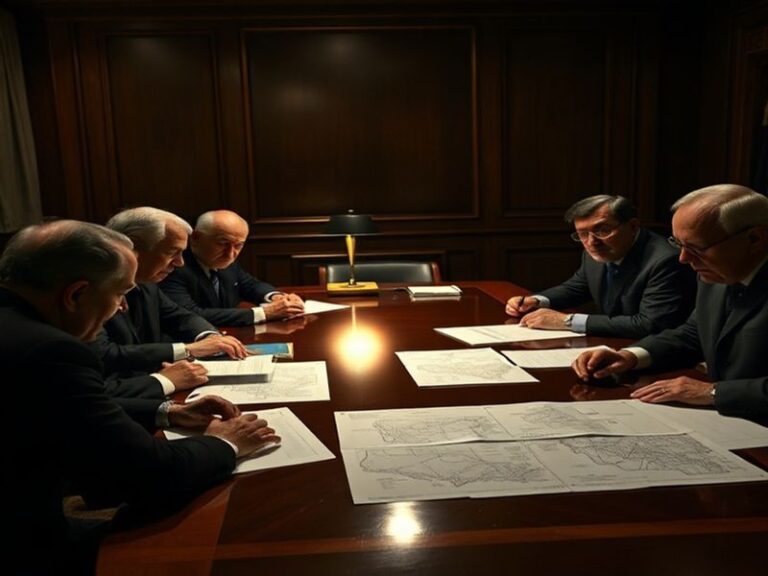
Israel’s response has been carefully calibrated to avoid triggering a full-scale war. Prime Minister Benjamin Netanyahu convened an emergency meeting of his war cabinet, where officials debated the scope and targets of a potential retaliation. While some hardliners within Israel’s government pushed for a decisive strike on Iran’s nuclear facilities or military command centers, cooler heads prevailed. Instead, Israel chose to respond with a limited but symbolic attack on a military airbase in Isfahan, Iran, which houses a key facility for the Islamic Revolutionary Guard Corps. The strike caused minor damage but was designed to send a message without escalating the conflict further.
The international community has largely condemned Iran’s attack, with the United States, European Union, and United Nations issuing statements calling for restraint and de-escalation. U.S. President Joe Biden reiterated America’s “ironclad” commitment to Israel’s security while urging both sides to avoid further provocations. Meanwhile, Russia and China have taken a more ambiguous stance, calling for dialogue while placing partial blame on Israel for the escalation.
Broader Implications: A New Era of Middle Eastern Conflict
The direct confrontation between Iran and Israel has far-reaching implications for the region’s geopolitical landscape. For decades, the two nations have engaged in a proxy war, with Iran funding and arming groups like Hezbollah, Hamas, and the Houthis to challenge Israel indirectly. This latest attack signals a shift in Iran’s strategy, one that could reshape the dynamics of the Middle East for years to come.
One of the most immediate concerns is the potential for further escalation. While both sides have signaled a desire to avoid all-out war, miscalculations or miscommunications could easily spiral out of control. Israel’s military doctrine, known as the “Begin Doctrine,” has historically prioritized preemptive strikes to neutralize existential threats, particularly to its nuclear program. If Iran perceives Israel’s response as an existential threat, it may feel compelled to retaliate more aggressively, potentially dragging the region into a wider conflict.
Another key implication is the erosion of Israel’s deterrence strategy. For years, Israel has relied on its military superiority and the threat of disproportionate retaliation to deter attacks from state and non-state actors alike. However, Iran’s willingness to bypass proxies and strike directly challenges this paradigm. If Israel’s air defenses are seen as insufficient to protect its territory, it could embolden other adversaries, such as Hezbollah or Hamas, to launch more ambitious attacks.
The attack also highlights the growing role of regional players in the conflict. Countries like Jordan, Iraq, and Saudi Arabia, which have historically maintained a degree of neutrality or even tacit cooperation with Israel, were drawn into the fray. Jordan, in particular, played a critical role in intercepting Iranian drones, a move that could strain its relations with Iran and its domestic population, which is largely sympathetic to the Palestinian cause. Meanwhile, Saudi Arabia’s muted response to the attack underscores its delicate balancing act between maintaining ties with the West and avoiding outright confrontation with Iran.
Key Takeaways from Iran’s Attack on Israel
- First direct strike: Iran bypassed proxies like Hezbollah and Hamas to launch a direct attack on Israel, marking a significant escalation in the conflict.
- High interception rate: Israel’s multi-layered air defense systems intercepted 99% of the incoming projectiles, but a few struck military targets, causing damage.
- Limited Israeli response: Israel responded with a symbolic strike on an airbase in Isfahan, Iran, avoiding a full-scale retaliation to prevent further escalation.
- International condemnation: The U.S., EU, and UN called for restraint, while Russia and China took a more ambiguous stance, placing partial blame on Israel.
- Regional spillover: Countries like Jordan, Iraq, and Saudi Arabia were drawn into the conflict, highlighting the growing role of regional players in the Middle East’s geopolitical struggles.
What Comes Next: Scenarios for the Future
The road ahead is fraught with uncertainty, but several potential scenarios could unfold in the coming weeks and months. The most optimistic outcome is a return to the status quo ante, where both sides stand down and avoid further provocations. This would require significant diplomatic efforts, likely mediated by the U.S. or other international actors, to de-escalate tensions and restore deterrence. However, given the deep mistrust between Iran and Israel, this scenario remains unlikely in the short term.
A more probable outcome is a prolonged period of tit-for-tat strikes, where both sides engage in limited retaliatory attacks to demonstrate resolve without triggering a full-scale war. This scenario could see Israel targeting Iranian military infrastructure or proxy groups in Syria, Lebanon, or Yemen, while Iran continues to use its proxies to harass Israeli positions. Over time, this could lead to a new equilibrium, albeit one that is far more volatile than the pre-April 13 status quo.
The most dangerous scenario is an unintended escalation, where a miscalculation or miscommunication leads to a rapid deterioration of the situation. For example, if Israel’s response to Iran’s attack is perceived as overly aggressive by Iran’s leadership, Tehran may feel compelled to retaliate more forcefully. Similarly, if Iran’s proxies in Lebanon or Gaza launch a major attack on Israel, it could trigger a disproportionate Israeli response, drawing Iran directly into the conflict. Such a scenario could quickly spiral out of control, leading to a regional war that draws in the U.S., Russia, and other global powers.
Regardless of the outcome, one thing is clear: the Middle East has entered a new era of conflict, one in which direct state-to-state confrontations are no longer unthinkable. The rules of engagement that have governed the region for decades are being rewritten, and the consequences of this shift will be felt far beyond Israel and Iran’s borders.
For now, the world watches and waits, hoping that cooler heads will prevail. But with tensions running higher than they have been in decades, the stakes could not be higher.
For deeper analysis on regional conflicts and their implications, visit our Analysis and Politics sections.