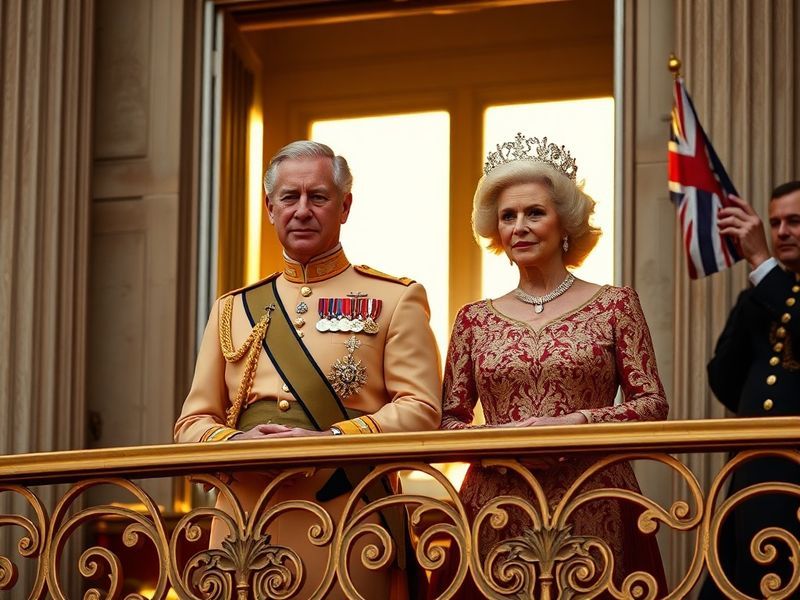
The transition of Buckingham Palace into the reign of King Charles III and Queen Camilla marks a pivotal moment in modern British monarchy. No longer the home of a reigning monarch, the palace has taken on a new role as the administrative hub for the monarchy under Charles’ leadership. The couple’s presence has reshaped the public’s perception of the institution, blending tradition with contemporary expectations.
Charles and Camilla’s relationship with the palace extends beyond mere residency. Their approach to royal duties reflects a deliberate effort to modernize the monarchy while maintaining its ceremonial significance. This evolution has drawn attention not just from royal watchers but from the broader public, as the monarchy adapts to a new era.
The Changing Role of Buckingham Palace
Buckingham Palace has long been the epicenter of royal pageantry, but its function has subtly shifted under King Charles III. While it remains the official London residence of the monarch, it no longer serves as the primary private home for the royal family. Instead, the palace has become a symbolic headquarters for the monarchy’s public engagements and administrative functions.
The State Rooms continue to host diplomatic receptions and official events, but the private apartments once occupied by Queen Elizabeth II now remain largely unused. This change underscores the monarchy’s evolving priorities, with a greater emphasis on efficiency and public accessibility. The palace’s role in state ceremonies, such as the State Opening of Parliament, remains unchanged, reinforcing its enduring significance.
- Public Access: The palace’s summer opening to the public has expanded, allowing more visitors to experience its historic interiors.
- Diplomatic Functions: State banquets and receptions remain a cornerstone of the palace’s role in fostering international relations.
- Administrative Hub: The palace now serves primarily as a base for the King’s official duties and engagements.
Camilla’s influence has also played a part in this transformation. As Queen Consort, she has taken an active role in charitable work and public engagements, often accompanying Charles in official duties. Her presence has helped soften perceptions of the monarchy, particularly in light of historical controversies surrounding her relationship with Charles.
Public Perception and Modern Monarchy
The monarchy under King Charles III faces a delicate balancing act: honoring tradition while adapting to contemporary expectations. Public opinion remains divided, with some praising the King’s dedication to duty and others questioning the relevance of the monarchy in the 21st century. Buckingham Palace’s role in this dynamic is crucial, as it embodies both the continuity and adaptability of the institution.
Charles and Camilla’s approach to public engagements reflects a modernizing monarchy. Unlike previous generations, they have embraced social media and digital communication to connect with younger audiences. The palace’s official social media channels now offer behind-the-scenes glimpses of royal life, humanizing the monarchy and making it more relatable.
However, challenges persist. The monarchy’s expenses, including the upkeep of Buckingham Palace, remain a topic of debate. Critics argue that the public funding allocated to the monarchy could be better spent elsewhere, while supporters emphasize the economic benefits of tourism and the monarchy’s role in national identity.
Camilla’s Evolving Role as Queen Consort
Queen Camilla’s journey to her current role has been marked by both triumph and controversy. Once a polarizing figure due to her past relationship with Charles, she has gradually won over skeptics through her dedication to public service. As Queen Consort, she has taken on a more visible role, supporting Charles in official duties and championing causes such as literacy and women’s health.
Her influence extends beyond ceremonial appearances. Camilla has been instrumental in modernizing the monarchy’s approach to social issues, particularly those affecting women and marginalized communities. Her involvement in campaigns such as the Royal Foundation’s work in health and wellness has further solidified her position as a respected figure within the royal family.
The Queen Consort’s wardrobe choices have also sparked discussion. Unlike previous queens, Camilla has embraced bold colors and modern designs, reflecting her confidence and individuality. This shift has resonated with younger audiences and helped redefine the image of royalty in the public eye.
Looking Ahead: The Future of Buckingham Palace
The future of Buckingham Palace under King Charles III and Queen Camilla will likely be defined by a blend of tradition and innovation. While the palace remains a symbol of British heritage, its role is evolving to meet the demands of a changing world. The monarchy’s ability to adapt while preserving its core values will determine its longevity in the public consciousness.
One of the most anticipated changes is the potential renovation of the palace’s interiors. Reports suggest that plans are underway to modernize the private apartments, making them more suitable for contemporary living while preserving their historic charm. This project could take years to complete, but it signals the monarchy’s commitment to balancing tradition with progress.
Another key aspect of the monarchy’s future is its relationship with the younger generation. Charles and Camilla have made efforts to engage with young people, whether through educational initiatives or social media outreach. Their ability to connect with this demographic will be crucial in ensuring the monarchy’s relevance in the decades to come.
For now, Buckingham Palace stands as a living testament to the monarchy’s ability to evolve. Under King Charles III and Queen Camilla, it continues to serve as a bridge between the past and the future, embodying both the grandeur of tradition and the promise of change.
For more insights into modern royalty and cultural shifts, visit Dave’s Locker Culture.