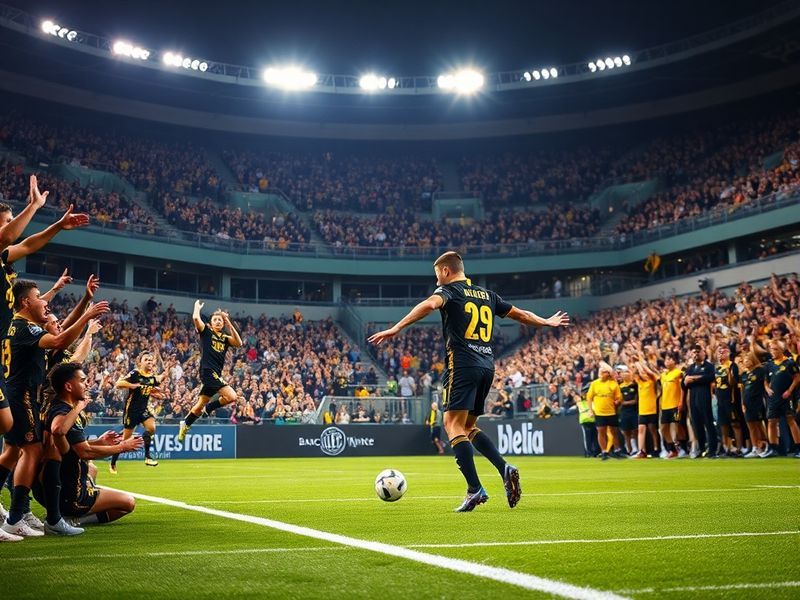
The rivalry between Los Angeles Football Club and the Portland Timbers has become one of Major League Soccer’s most compelling narratives. What began as a clash of contrasting philosophies and fan cultures has evolved into a tactical and stylistic duel that reflects broader trends in North American soccer. Beyond the standings, this matchup represents the collision of two cities with distinct identities, each bringing its own flavor to the pitch.
The Timbers, with their blue-collar ethos and passionate supporter culture, embody the gritty, high-energy tradition of American soccer. Meanwhile, LAFC’s sleek, possession-based style mirrors the cosmopolitan ambitions of Los Angeles itself. These differences are not just tactical—they are cultural. When these teams meet, they bring more than three points into contention; they bring pride, identity, and a vision of what MLS can become.
The Tactical Battle: Possession vs. Pressing
LAFC under Steve Cherundolo has built its identity around controlled possession and methodical buildup. The team’s style is rooted in European principles, with an emphasis on patient progression through the thirds. Fullbacks push high, midfielders rotate intelligently, and forwards press only when necessary. This approach has drawn comparisons to teams like Manchester City and Bayern Munich, reflecting LAFC’s ambition to play “real soccer” in a league often criticized for its physicality.
Portland, under interim manager Miles Joseph, has adopted a more direct, high-pressing style. The Timbers prioritize quick transitions and aggressive defending, particularly in mid-block formations. Their approach is less about intricate passing sequences and more about disrupting the opponent’s rhythm. This style resonates with Portland’s working-class identity—a team that fights for every inch, much like the city’s blue-collar roots.
The contrast in philosophies was evident in their most recent meetings. In a 2023 match at Banc of California Stadium, LAFC dominated possession but struggled to break down Portland’s disciplined low block. Meanwhile, in Portland’s 2024 home victory, the Timbers used counterattacks and quick transitions to exploit LAFC’s high defensive line. These tactical duels highlight how MLS is evolving, with teams increasingly adopting styles that reflect their cultural and stylistic preferences.
A Clash of Fan Cultures
Beyond tactics, the LAFC vs. Portland rivalry is a collision of fan cultures that speak to the broader diversity of MLS. LAFC’s fanbase is a global melting pot, reflecting the city’s demographic reality. The supporters’ section at BMO Stadium is a vibrant mix of Latin American immigrants, Asian-American families, and European expats, all united by a shared passion for the game. Chants in Spanish, Korean, and English echo through the stadium, creating a polyglot atmosphere that feels uniquely LA.
Portland, by contrast, is a bastion of traditional American supporter culture. The Timbers Army, one of MLS’s most famous factions, is known for its relentless vocal support and choreographed displays. The atmosphere at Providence Park is intimate, loud, and unapologetically working-class. Fans here are as likely to be construction workers or teachers as they are to be tech professionals, reflecting the city’s blue-collar roots.
This cultural divide is not just about music and chants—it’s about what the teams represent. LAFC’s rise has been tied to the city’s glamour, its Hollywood connections, and its status as a global hub. Portland, meanwhile, embraces its underdog status, playing with a scrappy determination that endears it to fans who see themselves in the team’s struggles and triumphs.
Key Matches and Turning Points
The LAFC vs. Portland rivalry has produced several memorable moments, each adding layers to their competitive history. One of the most significant came in the 2020 MLS is Back Tournament, where LAFC defeated Portland 3-1 in a group-stage match that showcased the tactical and physical contrast between the two teams. LAFC’s possession dominance was on full display, but Portland’s resilience kept them in the game until late goals sealed the result.
Another pivotal encounter was the 2021 Western Conference Final, where LAFC edged out Portland 2-1 in extra time. The match was a microcosm of their rivalry: LAFC controlled the game but struggled to break down Portland’s low block, while the Timbers threatened on the counter. The winning goal came from a set piece—a moment that underscored LAFC’s tactical flexibility.
In 2024, Portland turned the tables with a 2-0 victory at home, using a high-pressing system to stifle LAFC’s midfield. The win was symbolic, proving that the Timbers could compete with LAFC on their own terms. These matches demonstrate how the rivalry has become a chess match between two philosophies, each adapting and evolving in response to the other.
What’s Next for the Rivalry?
As MLS continues to grow, the LAFC vs. Portland rivalry is poised to take on even greater significance. Both clubs are investing in their academies, aiming to develop homegrown talent that reflects their respective cultures. LAFC’s focus on youth development, particularly in the Latino community, contrasts with Portland’s emphasis on physicality and work ethic—another reflection of their cultural identities.
On the pitch, the tactical battle will only intensify. As LAFC looks to refine its possession-based style, Portland will continue to refine its pressing game, creating a dynamic where neither team can afford to stagnate. Off the pitch, the fan cultures will keep evolving, with LAFC’s global appeal growing alongside Portland’s loyal, blue-collar base.
For fans, this rivalry is about more than just points—it’s about identity. Whether you’re cheering in the raucous Timbers Army or the cosmopolitan BMO Stadium, the LAFC vs. Portland matchup offers something for everyone. It’s a reminder that soccer in America is not just a sport; it’s a reflection of the cities and communities that bring it to life.
As the rivalry continues to develop, one thing is certain: when these two teams meet, the result is never just a game. It’s a clash of cultures, a battle of styles, and a celebration of what makes MLS unique.
Why This Rivalry Matters in the Global Context
The LAFC vs. Portland rivalry is a microcosm of soccer’s evolution in North America. While European leagues are steeped in centuries of tradition, MLS is still defining its identity. This matchup represents the tension between global ambition and local authenticity—a theme that resonates far beyond the United States.
In cities like Los Angeles and Portland, soccer is more than just a pastime; it’s a cultural force. LAFC’s global appeal mirrors the city’s status as a gateway for immigrants from Latin America, Asia, and Europe. Portland’s blue-collar ethos reflects its working-class roots and progressive values. These identities are not just reflected in the teams’ playing styles; they are embedded in the fabric of the cities themselves.
Globally, MLS is often seen as a league for retired European stars or a stepping stone for young talent. But the LAFC vs. Portland rivalry challenges that perception. These teams are building something different: a style of play and a fan culture that is distinctly American yet globally relevant. In an era where soccer is increasingly dominated by financial power, LAFC and Portland represent a refreshing alternative—clubs that prioritize identity and community over sheer spending power.
As MLS looks to expand and attract new fans, the LAFC vs. Portland rivalry offers a blueprint for how soccer can thrive in diverse, multicultural cities. It’s a reminder that the beautiful game is not just about skill and tactics; it’s about people, culture, and the communities that bring the sport to life.
For fans of the game, this rivalry is a reason to celebrate. It’s proof that soccer in America is not just catching up to the rest of the world—it’s carving out its own path. And whether you’re in Los Angeles or Portland, the next time these two teams meet, you’ll be witnessing more than just a game. You’ll be part of a cultural moment.