East Anglia’s Football Fever: Norwich City vs Ipswich Town
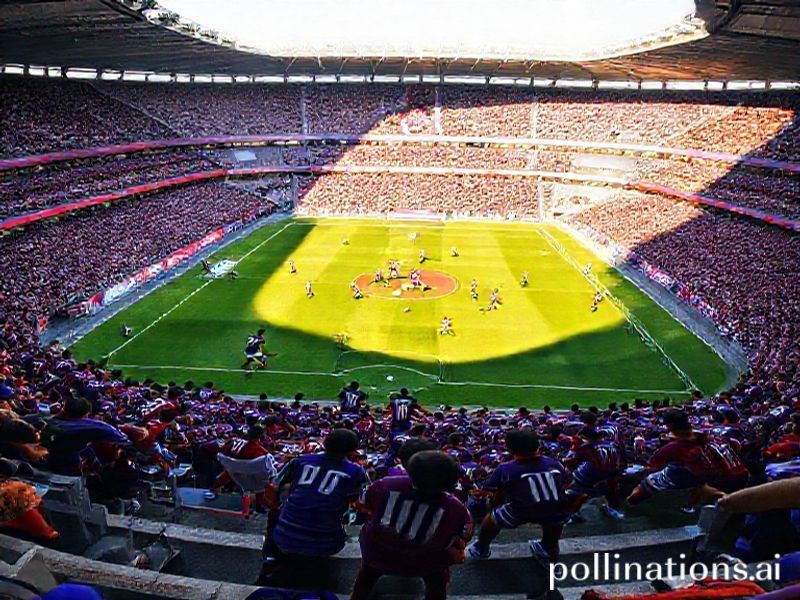
Few local derbies in English football carry the weight and history of the East Anglian derby between Norwich City and Ipswich Town. This fixture transcends mere competition; it’s a clash of identities, pride, and generations of footballing culture. With roots stretching back over a century, the rivalry reflects the broader social and economic shifts in the region.
The first recorded meeting between the two sides took place in 1902, when Ipswich Town was still a fledgling club in the Southern League. Norwich, founded in 1902, quickly established itself as a competitive force. Their early encounters were modest affairs, played in front of small crowds in local parks and makeshift stadiums. Yet, these matches laid the foundation for what would become one of England’s most passionate footballing rivalries.
Over the decades, the rivalry evolved alongside the clubs themselves. Norwich City, known as the Canaries due to their yellow kits, became a staple in the Football League, eventually reaching the top flight in the 1970s. Ipswich Town, under the stewardship of Bobby Robson in the late 1970s and early 1980s, stunned the footballing world by winning the FA Cup in 1978 and the UEFA Cup in 1981. These achievements cemented Ipswich’s place in English football history and intensified the rivalry with their Norfolk neighbors.
A Rivalry Rooted in Geography and Identity
The divide between Norwich and Ipswich extends beyond football. These two cities, separated by just 45 miles, represent distinct cultural and economic landscapes. Norwich, with its historic cathedral and vibrant arts scene, has long been seen as a creative and intellectual hub. Ipswich, meanwhile, has a strong industrial heritage, with a port that once fueled the region’s economy.
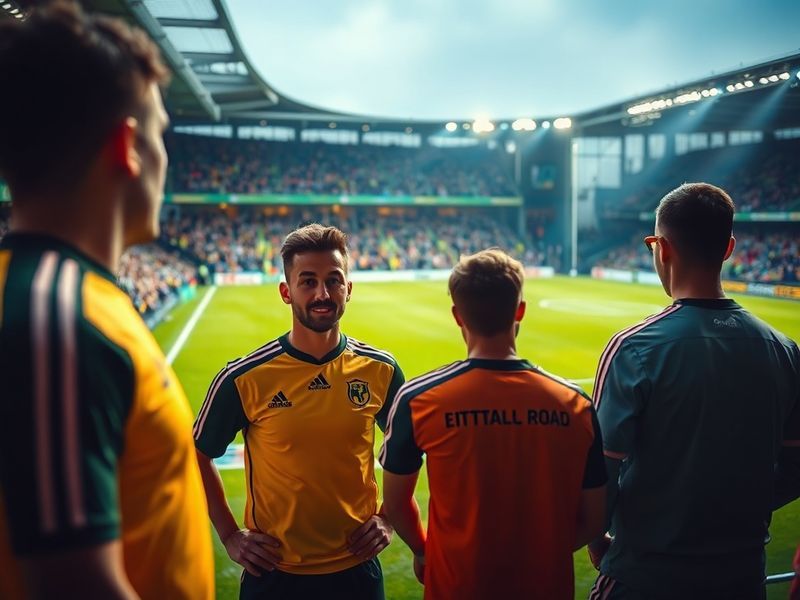
This geographical and cultural split is mirrored in the football clubs. Norwich has traditionally attracted supporters from rural areas and smaller towns across Norfolk and Suffolk, while Ipswich’s fanbase has often included workers from the dockyards and manufacturing industries. The clubs’ stadiums, Carrow Road and Portman Road, are more than just venues; they are symbols of local pride.
The derby is not just about football. It’s about representation. For many fans, supporting their team is a way to assert their regional identity. In a globalized world where local traditions are increasingly diluted, the Norwich vs Ipswich derby remains a powerful reminder of community and belonging.
Moments That Defined the Derby
The East Anglian derby has produced countless memorable moments, from last-minute winners to dramatic comebacks. Some matches have transcended the ordinary, becoming part of footballing folklore.
- 1985: The “Canary Wonder” – Norwich secured a 1-0 victory at Carrow Road in a tightly contested match that saw Ipswich’s star player, John Wark, sent off. The result was a rare success for Norwich in the early stages of their top-flight campaign.
- 1994: The “Ipswich Miracle” – In a League Cup quarter-final, Ipswich overturned a 2-0 deficit from the first leg to win 3-2 on aggregate. The tie included a thrilling 2-1 win at Portman Road, with Ipswich’s Dion Dublin scoring a crucial goal.
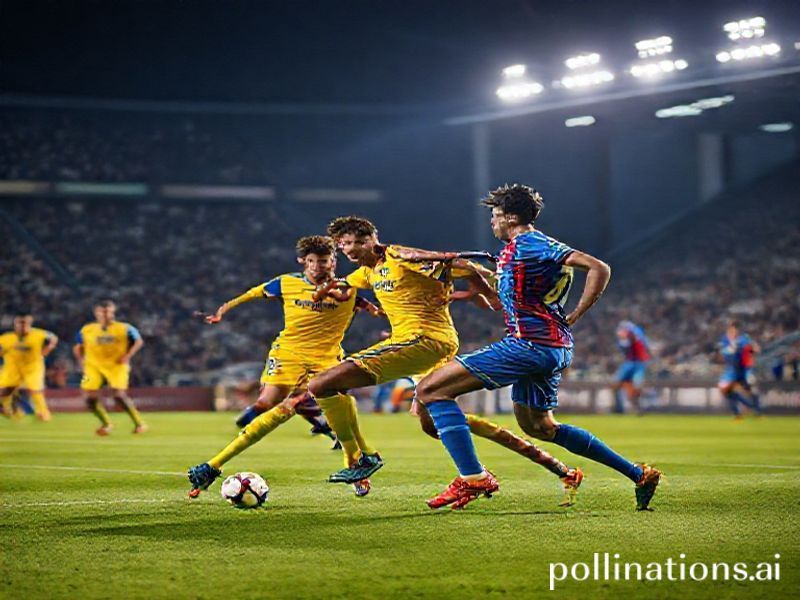
- 2019: The “Battle of Carrow Road” – A chaotic 0-0 draw marred by six yellow cards and a red card for Norwich’s Jamal Lewis. The match highlighted the intensity of the fixture, with tensions boiling over on and off the pitch.
- 2021: The “Play-Off Heartbreak” – Ipswich’s attempt to reach the Championship play-offs ended in disappointment as they lost 4-2 to Norwich in a high-scoring thriller. Norwich’s Adam Idah scored a hat-trick, further stoking the flames of the rivalry.
These matches are more than just results; they are chapters in a broader narrative of competition and rivalry. They reflect the ebb and flow of football, where fortunes can change in an instant.
The Global Perspective: How English Derbies Fit into the World Football Landscape
While the Norwich vs Ipswich derby may not have the global reach of a Manchester United vs Manchester City or a Barcelona vs Real Madrid, it occupies a unique space in world football. Local derbies like this one offer a glimpse into the soul of the communities they represent.
In an era where football is increasingly dominated by money, television deals, and global superstars, the East Anglian derby remains a testament to the raw, unfiltered passion of the sport. It’s a reminder that football is not just about trophies and fame; it’s about identity, history, and the people who live and breathe the game.
Across Europe, similar rivalries exist in cities like Glasgow (Celtic vs Rangers), Milan (Inter vs AC Milan), and Rome (Roma vs Lazio). These derbies are cultural institutions, shaping the social fabric of their regions. They attract fans from all walks of life, uniting communities in celebration or commiseration.
For Norwich and Ipswich, the derby is a global phenomenon in miniature. While the rest of the world may not be watching, the passion and intensity are no less real. It’s a microcosm of what makes football so compelling: the ability to inspire, divide, and unite in equal measure.
The Future of the Rivalry
As both clubs navigate the modern football landscape, the future of the East Anglian derby remains uncertain. Financial disparities between the Premier League and lower divisions have made it increasingly difficult for smaller clubs to compete. Norwich City, with its recent stints in the Premier League, has experienced the highs and lows of top-flight football, while Ipswich Town has spent much of the past two decades in the lower leagues.
Yet, the rivalry endures. Whether played in the Championship or League One, the passion remains undiminished. For fans, the derby is a chance to reconnect with their roots, to celebrate their heritage, and to assert their place in the footballing world.
There is also a growing recognition of the need to preserve the cultural significance of local derbies. Initiatives like the Sports Heritage Foundation work to document and celebrate the history of clubs like Norwich and Ipswich, ensuring that future generations understand the importance of these rivalries.
As football continues to evolve, the Norwich vs Ipswich derby remains a beacon of tradition and authenticity. It’s a reminder that, at its core, football is about more than just winning; it’s about belonging.
A Rivalry Worth Celebrating
The East Anglian derby is more than just a football match; it’s a cultural institution. It reflects the history, identity, and passion of two cities that have shaped each other over generations. In a world where football is increasingly dominated by global forces, the Norwich vs Ipswich derby stands as a testament to the power of local pride.
For the fans, the players, and the communities they represent, this rivalry is a source of joy, frustration, and unyielding loyalty. It’s a reminder that football, at its best, is about more than just the game; it’s about the people who love it.
As both clubs look to the future, one thing is certain: when Norwich City and Ipswich Town take to the pitch, the world may not be watching, but the passion will be as intense as ever. And that’s what makes this rivalry truly special.
Dave’s Locker – Your destination for sports, culture, and analysis. Explore more sports content and stay updated with the latest stories.