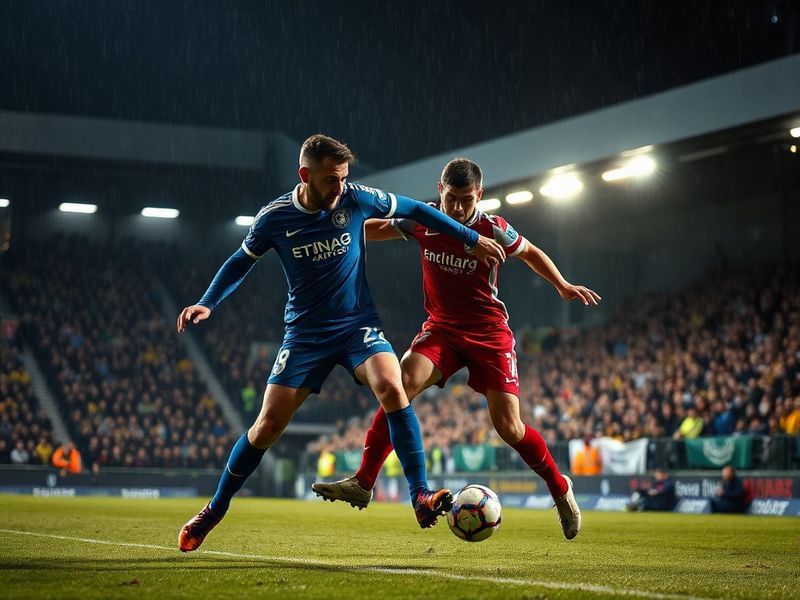
When Birmingham City faced Wrexham AFC in League One last season, the match wasn’t just another fixture on the calendar. It was a collision of footballing philosophies, financial power, and fan expectations. Birmingham, a club with a rich history in England’s second tier, met Wrexham, the storied Welsh club revitalized by Hollywood ownership and fan investment. The result was more than a scoreboard moment; it was a snapshot of modern football’s evolving dynamics.
The Contrasting Paths to League One
Birmingham City’s journey to League One has been one of resilience and inconsistency. Once a Premier League staple under managers like Steve Bruce and Alex McLeish, the Blues have spent recent years oscillating between the Championship and League One. Their financial struggles—punctuated by administration in 2023—have forced a reliance on youth development and shrewd loans business. The club’s identity has become tied to survival rather than ambition, a reality reflected in their squad’s composition and transfer strategy.
Wrexham AFC, on the other hand, represents a different breed of ambition. The club’s takeover by actors Ryan Reynolds and Rob McElhenney in 2020 brought unprecedented global attention. While their on-field progress has been gradual—promotion to League Two in 2022 and League One in 2023—Wrexham’s rise has been fueled by commercial growth, documentary-driven hype, and a fan-first ethos. Their matchday atmosphere, bolstered by a traveling support that treats away games like festivals, has become a hallmark of their appeal.
Key Differences Between the Clubs
- Ownership: Birmingham is owned by a consortium led by Knighthead Capital, while Wrexham is backed by Reynolds and McElhenney’s 6527 Media Group.
- Financial Power: Birmingham operates with a significantly larger wage budget but has faced financial constraints due to administration. Wrexham’s revenue has surged thanks to merchandise sales, sponsorships, and the Welcome to Wrexham documentary series.
- Fan Engagement: Wrexham’s fanbase is known for its vocal support and creative chants, while Birmingham’s supporters have endured years of frustration, leading to protests and calls for ownership change.
- Squad Quality: Birmingham’s squad features more experienced Championship players, while Wrexham relies on a mix of loaned talent and homegrown prospects.
The Match Itself: A Microcosm of Modern Football
The fixture between Birmingham and Wrexham was a study in contrasts. Birmingham, playing in their familiar blue shirts, relied on direct football and physicality. Wrexham, draped in their iconic red and white, pressed high and looked to exploit spaces behind Birmingham’s full-backs. The match ended 1-1, but the narrative extended beyond the result.
For Birmingham, the draw was a missed opportunity to assert their Championship pedigree. Their fans, accustomed to high expectations, left St Andrew’s Ground frustrated by the lack of creativity in midfield. The club’s reliance on set-pieces and long balls was exposed, a symptom of their pragmatic—but at times uninspiring—approach under manager Wayne Rooney.
Wrexham, meanwhile, showed why they’ve captured imaginations across the footballing world. Their performance was energetic, their transitions rapid, and their belief palpable. The draw felt like a statement: Wrexham may not have Birmingham’s resources, but they have heart, innovation, and a connection to their community that resonates deeply in an era of corporate football.
Broader Implications: What This Match Says About Football’s Future
The Birmingham vs Wrexham clash is emblematic of a broader trend in English football: the divide between tradition and disruption. Clubs like Birmingham, burdened by financial constraints and legacy issues, struggle to compete with the financial muscle of Premier League-descended sides. Their survival often depends on leveraging their history and fanbase rather than chasing trophies.
Wrexham, conversely, represents the rise of the “underdog model”—a club that leverages storytelling, fan engagement, and commercial innovation to punch above its weight. Their success isn’t just measured in points; it’s measured in global visibility, merchandise sales, and cultural impact. In an era where football is increasingly commodified, Wrexham offers a refreshing alternative: a club that feels alive, connected, and ambitious without sacrificing its soul.
Yet, the match also highlighted the challenges of this model. Wrexham’s squad, though talented, lacks the depth of Championship sides. Their reliance on loans and unproven youngsters means inconsistency is a constant threat. Birmingham, despite their struggles, boasts a more established infrastructure—youth academy, training facilities, and a pathway to higher tiers. The question remains: Can Wrexham sustain their rise, or will they eventually face the same financial and competitive hurdles as their rivals?
What Comes Next for Both Clubs?
For Birmingham, the path forward is clear but unenviable. The club must balance financial recovery with on-field progress. Rooney’s tenure has shown flashes of promise, but inconsistency has plagued his time in charge. The Blues need to rediscover their attacking identity while navigating the challenges of life in League One—a league they’ve graced but never dominated in recent years.
Wrexham, on the other hand, faces a different set of challenges. Promotion to League One was a major milestone, but maintaining their status will require smart recruitment and squad strengthening. The club’s owners have invested heavily in infrastructure, including a state-of-the-art training facility, but the step up to League One demands more than just hype. If Wrexham can consolidate their position, they may soon force a conversation about whether their model can translate to the Championship—and beyond.
One thing is certain: the clash between Birmingham and Wrexham is more than a one-off fixture. It’s a reflection of where football is headed—a sport where tradition and innovation collide, where financial power and fan passion vie for dominance, and where every match tells a story far bigger than the score.
Final Thoughts
Football’s beauty lies in its unpredictability, and matches like Birmingham vs Wrexham remind us why. In a landscape dominated by financial disparities and corporate interests, clubs that prioritize connection, innovation, and authenticity can still make their voices heard. Whether Wrexham’s model is sustainable long-term remains to be seen, but their rise is a testament to what happens when a club listens to its fans and thinks beyond the pitch.
For Birmingham, the challenge is to rediscover their fighting spirit without losing sight of their history. Both clubs, in their own ways, are fighting for relevance in a sport that’s changing faster than ever. The next time they meet, the stakes will be higher, the narratives richer, and the lessons more profound. That’s the magic of football—and why we’ll keep watching.
For more on the broader trends in modern football, explore our Sports and Analysis sections.