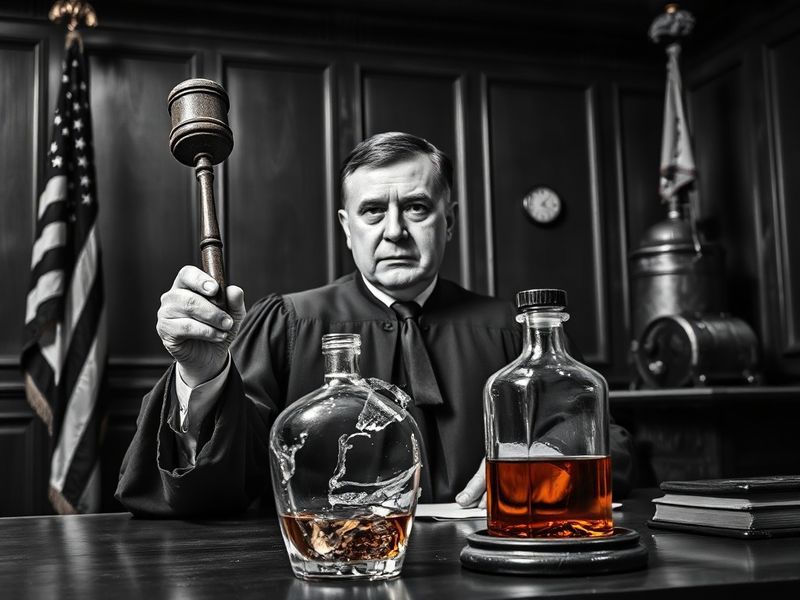
The United States Court of Appeals for the Sixth Circuit has delivered a landmark ruling, declaring the federal ban on home distilling unconstitutional. The decision marks a significant shift in the legal landscape surrounding alcohol production, challenging long-standing regulations that have shaped the industry for nearly a century.
This ruling stems from a case brought by a group of home distillers who argued that the federal ban violated their constitutional rights. The appeals court’s decision could pave the way for legal home distilling across the country, though the path forward remains complex and uncertain.
The Legal Battle Behind the Ruling
The case that led to this groundbreaking decision began when a group of home distillers challenged the federal ban on producing spirits at home. The plaintiffs argued that the ban, which dates back to the Prohibition era, infringed upon their constitutional rights, particularly the right to engage in lawful activities without excessive government interference.
The Sixth Circuit Court of Appeals agreed, ruling that the ban violated the plaintiffs’ constitutional rights. The court’s decision hinged on the argument that the federal government had overstepped its authority by imposing a blanket ban on home distilling without demonstrating a compelling interest in doing so.
This ruling is particularly significant because it challenges a long-standing federal regulation that has been largely uncontested for decades. The federal ban on home distilling was originally enacted as part of the Prohibition laws in the early 20th century and has remained in place ever since, despite the repeal of Prohibition in 1933.
What This Means for Home Distillers
For home distillers, this ruling represents a potential turning point. If upheld, it could open the door to legal home distilling across the country, allowing enthusiasts to produce their own spirits without fear of legal repercussions. However, the ruling is not yet final, and the path to legalization remains fraught with challenges.
One of the biggest hurdles is the fact that the federal ban is not the only obstacle facing home distillers. Many states have their own laws prohibiting home distilling, and these laws would still need to be challenged or repealed. Additionally, the federal government could appeal the ruling, potentially dragging out the legal battle for years.
Despite these challenges, the ruling is a cause for celebration among home distillers and advocates of alcohol freedom. It sends a clear message that the federal government’s authority to regulate home distilling is not absolute, and that the rights of individuals to engage in lawful activities must be respected.
The Broader Implications of the Ruling
The implications of this ruling extend far beyond the world of home distilling. It raises important questions about the role of the federal government in regulating personal freedoms, particularly in the realm of alcohol production and consumption.
The court’s decision could set a precedent for future challenges to federal regulations that infringe upon constitutional rights. It also highlights the tension between federal authority and individual liberties, a debate that has raged since the founding of the United States.
Moreover, the ruling could have significant economic implications. If home distilling becomes legal nationwide, it could create a new industry, generating jobs and revenue for local economies. It could also lead to increased innovation in the spirits industry, as home distillers experiment with new techniques and flavors.
Key Takeaways from the Ruling
- Constitutional Rights: The court ruled that the federal ban on home distilling violated the plaintiffs’ constitutional rights.
- Federal Authority: The decision challenges the federal government’s authority to impose blanket bans on personal activities without demonstrating a compelling interest.
- State Laws: While the federal ban has been struck down, many states still prohibit home distilling, and these laws would need to be challenged or repealed.
- Legal Challenges: The federal government could appeal the ruling, potentially prolonging the legal battle.
- Economic Impact: Legal home distilling could create new industries and generate revenue for local economies.
A Look Ahead: The Future of Home Distilling
The road to legal home distilling is far from clear, but this ruling is a significant step in the right direction. For home distillers, the decision is a cause for optimism, offering hope that their hobby may one day be recognized as a legitimate and legal activity.
However, the fight is far from over. The federal government could appeal the ruling, and state laws would still need to be addressed. Additionally, the spirits industry may push back against legalization, citing concerns about safety, taxation, and quality control.
Despite these challenges, the Sixth Circuit’s ruling is a victory for individual liberty and a reminder that the fight for freedom is ongoing. It also underscores the importance of challenging unjust laws and holding the government accountable for its actions.
As the legal battle continues, home distillers and advocates of alcohol freedom would do well to stay informed and engaged. The outcome of this case could shape the future of home distilling in the United States for generations to come.
For now, the Sixth Circuit’s ruling stands as a beacon of hope for those who believe in the right to produce their own spirits. It is a reminder that even long-standing laws can be challenged and overturned, and that the fight for freedom is worth pursuing.
Stay tuned for further developments in this case, as the legal battle over home distilling continues.
For more insights into the legal and cultural implications of this ruling, explore our News and Analysis sections.