Indio, California: A Desert City’s Rise as Cultural and Economic Hub
“`html
Indio, California: Where Desert Meets Culture and Commerce
Nestled in the heart of the Coachella Valley, Indio, California, is more than just a gateway to the sun-soaked resorts of Palm Springs. With a population nearing 90,000, this desert city has evolved from its agricultural roots into a vibrant hub of music, art, and economic activity. Its strategic location along Interstate 10—roughly 20 miles east of Palm Springs—has made it a natural crossroads for travelers, performers, and entrepreneurs alike.
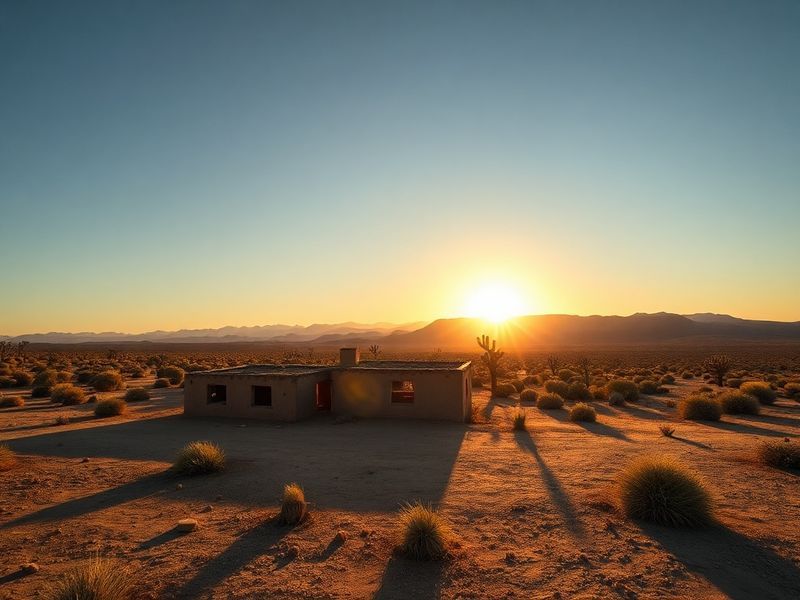
The city’s identity is deeply tied to its environment. Surrounded by vast stretches of arid landscape, Indio has mastered the art of balancing growth with sustainability. Unlike its more tourist-driven neighbors, Indio thrives on a mix of local industry, seasonal festivals, and a tight-knit community that values both tradition and innovation. From the annual Coachella Valley Music and Arts Festival to its burgeoning agricultural sector, Indio’s story is one of resilience and reinvention.
The Evolution of Indio: From Farmland to Festival Grounds
Founded in 1876, Indio began as a supply stop for the Southern Pacific Railroad, serving the region’s date palm groves and citrus farms. The city’s name, derived from a Latin term meaning “Indian,” reflects its historical ties to the Cahuilla people, who inhabited the area for centuries. By the early 20th century, Indio had established itself as a key player in California’s agricultural industry, particularly in date production—a legacy still celebrated today at the annual Indio Date Festival.
However, the city’s transformation into a cultural landmark began in earnest in the 1990s. The creation of the Empire Polo Club in 1987 set the stage for what would become one of the world’s most influential music festivals. Coachella, which started in 1999, didn’t just put Indio on the map—it redefined it. The festival’s success spurred infrastructure development, attracted global attention, and generated billions in economic impact for the region. Today, Indio is synonymous with large-scale events, hosting not only Coachella but also the Stagecoach Festival and the Desert Trip concerts.
The ripple effects of this growth are visible across the city. New hotels, restaurants, and entertainment venues have sprung up to accommodate the influx of visitors. Yet, amid the commercial boom, Indio has managed to preserve its small-town charm. Local markets, historic sites like the Indio Bowl, and community events like the Tamale Festival highlight the city’s dual identity as both a modern metropolis and a cultural preserve.
Economic Engines: Agriculture, Trade, and Tourism
Indio’s economy is a mosaic of industries, each contributing to its unique character. Agriculture remains a cornerstone, with the Coachella Valley producing over 90% of the nation’s dates. The city’s annual Date Festival, held every February, draws thousands of visitors eager to sample date shakes, compete in cooking contests, and learn about the region’s agricultural heritage. Beyond dates, Indio’s farms cultivate citrus, grapes, and seasonal vegetables, supplying local markets and beyond.
Trade and logistics have also become vital to Indio’s economic health. The city’s proximity to the Mexican border and major transportation routes has made it a critical link in the supply chain. Warehouses and distribution centers dot the landscape, supporting industries from retail to manufacturing. This industrial backbone provides stability, especially during off-peak tourism seasons.
Tourism, however, remains the city’s most visible economic driver. The Coachella Valley Music and Arts Festival alone injects hundreds of millions into the local economy each year, supporting jobs in hospitality, retail, and transportation. But Indio’s appeal extends beyond music. The city’s historic downtown, with its Spanish Colonial Revival architecture and murals, offers a quieter alternative to the glitz of Palm Springs. Meanwhile, the nearby Salton Sea—a short drive away—has become an unexpected draw for birdwatchers and eco-tourists, drawn by its unique ecosystem and haunting beauty.
- Agriculture: Dates, citrus, and seasonal crops form the backbone of Indio’s farming sector.
- Trade and Logistics: Strategic location fuels warehousing and distribution industries.
- Tourism: Festivals, historic sites, and natural attractions draw visitors year-round.
- Manufacturing: Small-scale production and local businesses contribute to economic diversity.
Cultural Crossroads: Music, Art, and Community
Indio’s cultural scene is as diverse as its population. The city has become a magnet for artists, musicians, and creatives seeking inspiration in its stark desert landscapes and vibrant communities. The Coachella Valley Art and Cultural Center, for example, showcases local talent while fostering collaborations with artists from across the globe. Murals adorning downtown buildings tell stories of the city’s history and aspirations, blending Indigenous heritage with contemporary influences.
Music is the heartbeat of Indio’s cultural identity. Beyond Coachella, the city hosts a year-round calendar of concerts, from intimate venues like the McCallum Theatre to large-scale events at the Empire Polo Club. Genres span from Latin to rock to electronic, reflecting the city’s multicultural fabric. The annual Indio International Tamale Festival, for instance, celebrates Mexican cuisine while highlighting the city’s Latino roots.
Community is at the core of Indio’s cultural ethos. Organizations like the Indio Chamber of Commerce and the City of Indio’s Parks and Recreation Department work tirelessly to preserve local traditions while embracing innovation. Initiatives like the Indio Farmers Market and the Indio Public Art Program ensure that the city’s cultural fabric remains dynamic and inclusive. Whether it’s through food, music, or public art, Indio’s cultural scene is a testament to its ability to evolve while honoring its past.
The Future of Indio: Challenges and Opportunities
Like many desert cities, Indio faces a unique set of challenges. Water scarcity, a perennial concern in the Southwest, looms large as climate change intensifies. The city is actively pursuing sustainability initiatives, from water conservation programs to renewable energy projects. The Coachella Valley Water District, for example, has implemented aggressive conservation measures to protect the region’s aquifers.
Urban sprawl and gentrification also pose risks. As Indio’s population grows, so does the pressure to develop open spaces and historic sites. Balancing progress with preservation will require careful planning and community engagement. Projects like the Indio Downtown Revitalization Plan aim to strike this balance, promoting economic growth while maintaining the city’s character.
Yet, Indio’s future is bright with opportunity. Its role as a cultural and economic hub shows no signs of waning. The continued success of festivals like Coachella and Stagecoach ensures that Indio remains a global destination. Meanwhile, investments in infrastructure, education, and technology are positioning the city as a leader in the region’s next phase of development.
For those who call Indio home, the city’s greatest strength lies in its people. A melting pot of cultures, backgrounds, and ambitions, Indio’s residents are its most valuable resource. Their resilience, creativity, and sense of community will shape the city’s future, ensuring that Indio continues to thrive as a beacon of culture, commerce, and innovation in the desert.
As Indio looks ahead, it does so with a clear vision: to grow without losing its soul. In a world where cities often sacrifice character for progress, Indio stands out as a place where tradition and modernity coexist. Whether you’re drawn by its music, its dates, or its people, one thing is certain—Indio is a city worth watching.