Jared Bednar: The Quiet Architect of the Colorado Avalanche’s Modern Revival
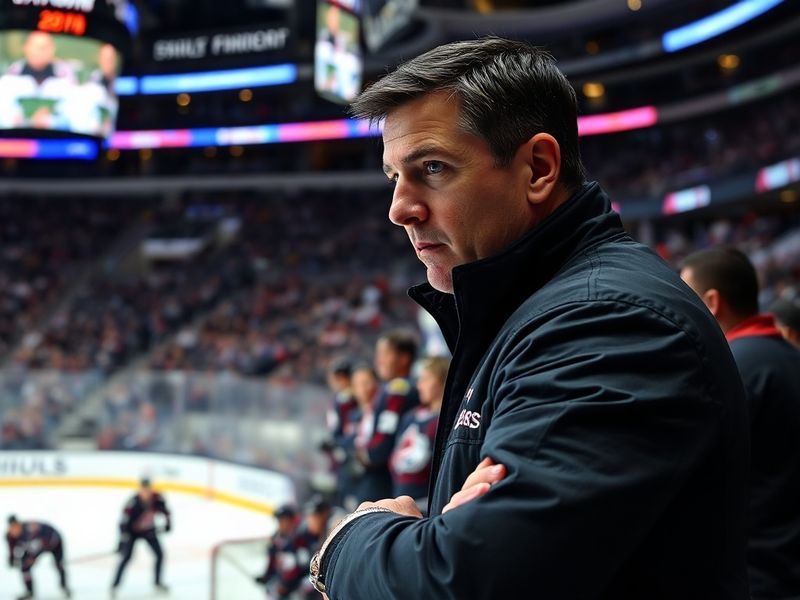
The Colorado Avalanche’s Stanley Cup victory in 2022 marked the culmination of a decade-long transformation under head coach Jared Bednar. Unlike the high-profile hirings of his peers, Bednar’s rise was methodical, built on resilience, adaptability, and an unshakable belief in process. While flashier coaches often dominate headlines, Bednar’s quiet leadership has reshaped an entire franchise—and redefined what it means to build a championship culture in modern hockey.
Born in 1972 in Yorkton, Saskatchewan, Bednar’s journey to the NHL was anything but conventional. He carved out a modest playing career in the minor leagues before transitioning into coaching. His early years were spent in the shadows of the AHL and ECHL, where he learned the intricacies of player development and system-building. That foundation would later become the bedrock of his success in Colorado.
The Philosophy Behind the Bench
Bednar’s coaching ethos is rooted in pragmatism. He prioritizes structure over spontaneity, a philosophy that initially drew skepticism from fans accustomed to the offensive flair of predecessors like Patrick Roy. Yet, his approach has consistently delivered results. By emphasizing defensive responsibility, puck possession, and adaptability, Bednar has created a system that thrives under pressure—a necessity in the NHL’s increasingly tactical landscape.
One of the most striking aspects of Bednar’s leadership is his ability to evolve. After a disappointing first season in Colorado (2016-17), where the team missed the playoffs, he made subtle but critical adjustments. The following year, the Avalanche surged to the playoffs, setting the stage for their eventual championship run. This adaptability extends beyond systems; Bednar has fostered a culture where players feel empowered to take ownership of their roles, whether they’re stars or role players.
The 2022 Stanley Cup run was a masterclass in resilience. Injuries to key players, including Nathan MacKinnon, threatened to derail the season. Yet, Bednar’s team responded with grit and cohesion, outlasting opponents in a grueling playoff gauntlet. The victory wasn’t just a triumph for the Avalanche—it was a validation of Bednar’s long-term vision.
A Global Perspective: Bednar’s Impact Beyond North America
While North American hockey dominates the NHL conversation, Bednar’s influence extends globally. His coaching style resonates with the growing emphasis on analytics and structured play in European leagues. Coaches from the KHL and SHL have cited Bednar’s systems as a blueprint for modernizing their own approaches. In a sport where tradition often clashes with innovation, Bednar has found a middle ground—one that prioritizes efficiency without sacrificing creativity.
Bednar’s international connections also highlight the NHL’s expanding global footprint. During the 2022 Olympics, he was widely regarded as a candidate for Team Canada’s coaching staff, a testament to his reputation beyond Colorado. His ability to connect with players from diverse backgrounds underscores a broader trend in hockey: the blurring of lines between North American and European coaching philosophies.
In 2023, the Avalanche’s continued success under Bednar further cemented his legacy. The team’s deep playoff run that year reinforced the idea that their 2022 victory wasn’t a fluke but the result of a sustainable model. For aspiring coaches worldwide, Bednar’s journey serves as a case study in patience and precision.
The Bednar Effect: More Than Just Wins
Beyond trophies and standings, Bednar’s impact on the Avalanche organization is evident in the development of young talent. Players like Cale Makar and Mikko Rantanen have thrived under his guidance, but so have role players like Josh Manson and Kurtis MacDermid. Bednar’s ability to maximize the potential of every roster member is a hallmark of elite coaching.
Off the ice, Bednar’s leadership style has fostered a culture of accountability and camaraderie. The Avalanche’s dressing room is often described as a family-like environment, where trust and transparency are prioritized. This culture has not only translated to on-ice success but also to player longevity—a rarity in the physically demanding world of hockey.
Yet, Bednar’s tenure hasn’t been without criticism. Some skeptics argue that his system relies too heavily on star power, particularly MacKinnon’s elite playmaking. Others point to the Avalanche’s struggles in the 2023-24 season as evidence of a potential ceiling. However, Bednar’s track record suggests that his methods are designed for longevity, not flash-in-the-pan success.
The Future of Bednar’s Legacy
As the NHL continues to evolve, Bednar remains a figure to watch. His ability to adapt to rule changes, roster turnover, and the increasing speed of the game positions him as a coach who could thrive in any era. With the Avalanche still in their championship window, the question isn’t whether Bednar can add another Cup to his resume—it’s how he’ll continue to redefine what it means to build a champion.
For aspiring coaches and hockey enthusiasts alike, Jared Bednar’s story is a reminder that leadership isn’t about flash or fame. It’s about consistency, adaptability, and an unwavering commitment to a vision. In a league often defined by short-term thinking, Bednar’s approach offers a refreshing alternative—a blueprint for sustainable success.
As the Colorado Avalanche look to defend their title and expand their dynasty, one thing is clear: Jared Bednar’s quiet revolution is far from over. Whether it’s in the NHL or beyond, his influence on hockey’s future is only beginning to take shape.