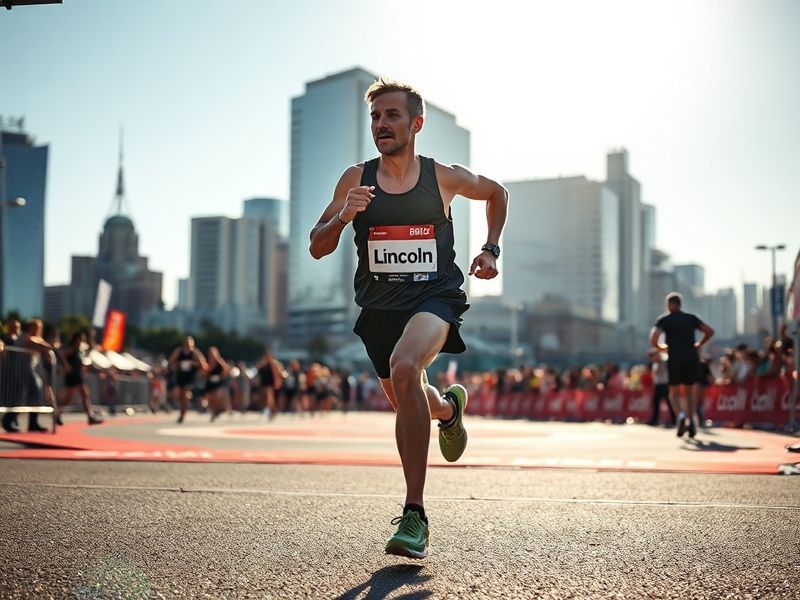
The Lincoln 10K has quietly established itself as one of the Midwest’s most respected running events. What began as a local race nearly three decades ago now draws thousands of participants annually, from elite runners chasing personal bests to first-timers lacing up for the first time. This year’s event, held on a crisp October morning, proved no different—despite the challenges posed by unpredictable weather and rising participation costs.
Organizers faced a familiar dilemma: balancing accessibility with sustainability. Entry fees continue to climb, reflecting inflation and the need to improve race infrastructure. Yet, community leaders emphasize the race’s role in promoting health and wellness across Lincoln’s diverse neighborhoods. For many, the Lincoln 10K isn’t just a timed 6.2-mile loop—it’s a tradition, a milestone, and for some, a lifeline to physical and mental well-being.
The History and Growth of the Lincoln 10K
The Lincoln 10K traces its roots back to 1995, when a small group of local runners organized an informal race through the city’s tree-lined streets. What started with fewer than 200 participants has grown into a weekend-long festival drawing over 4,000 runners and walkers each year. The race’s endurance speaks to Lincoln’s evolving identity as a city that values both athleticism and community.
Over the years, the route has changed to reflect the city’s growth. Early courses wound through downtown’s historic districts. Today, the race winds past new housing developments, a revitalized riverfront, and one of the state’s largest university campuses. The evolving route mirrors Lincoln’s transformation from a college town to a regional hub for business and innovation.
Notable milestones include the introduction of a wheelchair division in 2008 and the addition of a 5K walk in 2015. These changes expanded the event’s reach, welcoming participants of all ages and abilities. The race has also become a platform for local nonprofits, with charity partners raising over $500,000 in the past decade through participant fundraising and sponsorships.
What Makes the Lincoln 10K Unique
While many cities host annual 10K races, Lincoln’s event stands out in several ways. First, its timing coincides with peak fall foliage, turning the course into a moving canvas of red, gold, and amber. Runners often cite the scenic route as a major draw, especially during the late morning when sunlight filters through the trees.
Another distinguishing factor is the race’s emphasis on inclusivity. Unlike many elite-focused events, the Lincoln 10K maintains a generous time limit of 90 minutes, allowing walkers and slower runners to participate without pressure. Volunteers line the course every mile, offering encouragement and aid stations stocked with locally sourced snacks—including homemade energy bars from a neighborhood bakery.
The post-race experience is equally notable. Instead of a crowded expo in a convention center, participants gather at a nearby park for live music, food trucks, and a beer garden (for those over 21). Families set up blankets on the grass, children play cornhole, and local bands perform covers of classic rock hits. It’s less a corporate-sponsored spectacle and more a neighborhood block party with a running event at its center.
Key Features of the Lincoln 10K
- Scenic route: 6.2 miles through Lincoln’s historic and modern neighborhoods, highlighted by fall foliage.
- Inclusive timing: 90-minute time limit allows walkers, joggers, and runners of all levels to participate.
- Local partnerships: Energy drinks, snacks, and post-race meals sourced from Lincoln businesses.
- Charity tie-ins: Participants can fundraise for one of eight local nonprofits, with top fundraisers recognized on race day.
- Family-friendly atmosphere: Kids’ fun run, live music, and community activities beyond the main event.
The Broader Impact on Lincoln’s Community
The Lincoln 10K is more than a sporting event—it’s a catalyst for community engagement and public health. Studies show that cities with active running communities experience lower rates of obesity and chronic disease. Lincoln’s public health department has used the race as a platform to promote year-round fitness initiatives, including free weekly group runs and youth running clinics.
Economically, the race injects an estimated $1.2 million into the local economy each year. Hotels fill up months in advance. Local restaurants report a 30% increase in sales during race weekend. Even gas stations see a surge in traffic as participants arrive early to avoid downtown parking congestion.
Yet challenges remain. Rising costs threaten to price out lower-income participants, and organizers are exploring tiered pricing and scholarship programs. There’s also the ongoing debate over sustainability—plastic water bottles have been phased out in favor of compostable cups, but the event still generates significant waste. Organizers are piloting a “zero-waste zone” initiative this year, partnering with a local green tech startup to compost food scraps and recycle race bibs.
What’s Next for the Lincoln 10K
Looking ahead, the Lincoln 10K is poised to evolve in ways that reflect broader trends in the running community. Virtual participation options are being considered to accommodate remote runners and those unable to attend in person. There’s also talk of expanding the event to include a half-marathon route, though organizers emphasize they want to preserve the intimate, community-driven feel that defines the 10K.
Technology is playing a growing role. This year marked the debut of a real-time race tracking app, allowing spectators to follow runners via GPS. Organizers see this as a way to increase engagement, especially among friends and family who can’t attend in person. Future iterations may include wearable data integration, enabling runners to track their pace and heart rate directly on the app.
Above all, the Lincoln 10K remains a testament to what a local event can achieve when rooted in community values. It’s not about breaking world records or attracting global sponsors. It’s about neighbors running side by side, about families celebrating together, and about a city that chooses movement as a shared language.
As one longtime participant put it after crossing the finish line this year: “I don’t care how fast I go. I just care that I go—and that I get to do it with my neighbors.”
That spirit is what keeps the Lincoln 10K alive, year after year.
For more on local sports and community events, visit Dave’s Locker Sports or explore Community Events on Dave’s Locker.