From Ancient Coins to Digital Wallets: The Evolution of Money
The concept of money has shaped civilizations since the first metal coins appeared in Lydia around 600 BCE. What began as simple tools for trade evolved into complex systems reflecting economic power, cultural identity, and technological progress. Today, money exists not just as physical cash or banknotes but as lines of code in digital wallets and blockchain networks.
This transformation mirrors broader societal shifts. In medieval Europe, coins bore the faces of rulers, reinforcing authority and legitimacy. Meanwhile, in West Africa, cowrie shells served as currency long before European contact, demonstrating how money adapts to local ecosystems. The shift from commodity-based currencies like gold to fiat systems in the 20th century further detached money from physical value, tying it instead to trust in governments and institutions.
The Psychological Weight of Currency
Money carries psychological significance beyond its practical use. Studies show that the color of currency influences spending habits—warm tones like red can encourage impulsive purchases, while cooler blues may promote restraint. Cultural attitudes toward wealth also shape financial behavior. In Japan, saving is often prioritized over spending, a reflection of post-war resilience. Contrast this with the United States, where consumerism drives economic growth but also debt cycles.
Psychologists argue that money triggers deep emotional responses. The fear of losing it can paralyze decision-making, while the pursuit of it drives innovation—and sometimes exploitation. This duality persists whether currency is printed on cotton paper or encrypted in a digital ledger.
Digital Disruption: The New Frontier of Finance
The rise of cryptocurrencies and decentralized finance (DeFi) has redefined money’s role in society. Bitcoin, launched in 2009, introduced the idea of a currency without a central authority, challenging traditional banking. Its volatility and speculative nature have sparked debates about stability versus autonomy. Meanwhile, stablecoins like Tether aim to bridge the gap between digital and traditional finance, pegging value to fiat currencies.
This digital revolution extends beyond cryptocurrencies. Mobile payment systems in Kenya, such as M-Pesa, have transformed financial inclusion, allowing millions without bank accounts to transfer money via text message. In China, WeChat Pay and Alipay have made physical wallets nearly obsolete, embedding transactions into daily social interactions.
- Cryptocurrencies: Decentralized, volatile, and often speculative.
- Stablecoins: Pegged to traditional currencies for stability.
- Mobile Payments: Bridging gaps in financial access globally.
- Central Bank Digital Currencies (CBDCs): Government-backed digital money, testing in countries like Sweden and China.
Global Inequality and the Currency Divide
Money’s influence is unevenly distributed. The World Bank estimates that nearly 1.7 billion adults remain unbanked, most in developing nations. Without access to formal financial systems, these individuals rely on informal networks, often at higher costs and greater risk. Meanwhile, the wealthy leverage money not just as a tool but as a means to generate more wealth through investments, real estate, and diversified portfolios.
Currency fluctuations can exacerbate these divides. When the U.S. dollar strengthens, emerging markets face higher debt burdens, as their loans are often denominated in dollars. This dynamic, known as the “original sin” of global finance, highlights how money’s value is tethered to geopolitical power.
In some regions, alternative currencies have emerged to counter these imbalances. In Argentina, where inflation has eroded the peso’s value, many use U.S. dollars or local exchange systems like the “trueque” (barter networks) to preserve purchasing power. These adaptations underscore money’s fluid nature—it is both a product of and a response to its environment.
Money as a Cultural Mirror
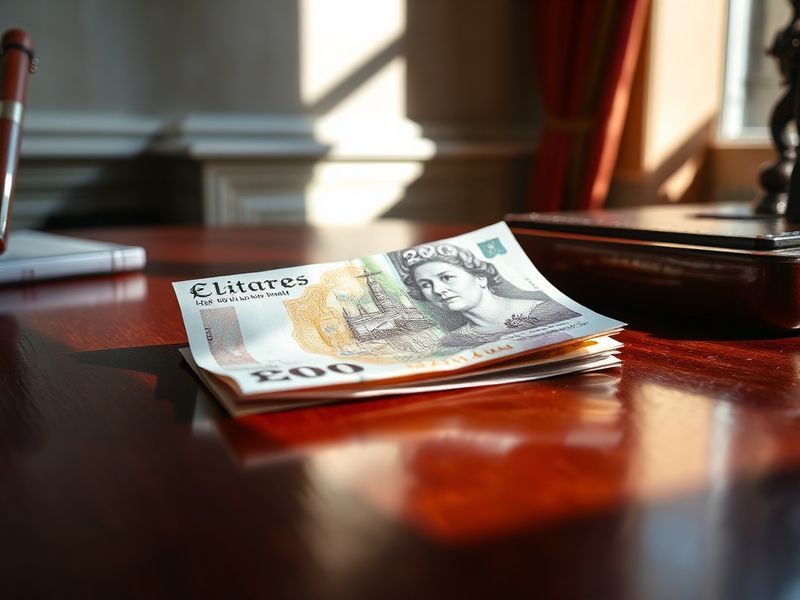
Currency often reflects a society’s values and priorities. The euro, introduced in 1999, was designed not just as an economic tool but as a symbol of European unity. Its banknotes feature architectural styles rather than historical figures, emphasizing shared heritage over national identity. Conversely, the U.S. dollar’s design, with portraits of presidents and symbolic imagery, reinforces individualism and historical narratives.
Art and money intersect in unexpected ways. Commemorative coins celebrate cultural milestones, from the Olympics to national anniversaries. Even cryptocurrency projects like Dogecoin, which began as a joke, have spawned communities that treat it as a cultural artifact. The meme status of Dogecoin’s Shiba Inu logo illustrates how money can transcend its economic function to become a shared joke, a social signal, or even a form of protest.
The Future: What Comes Next?
Predicting money’s next evolution requires examining current trends. Central Bank Digital Currencies (CBDCs) are gaining traction, with China’s digital yuan piloting in major cities and the European Central Bank exploring a digital euro. These projects aim to modernize payments but also raise concerns about surveillance and control. Meanwhile, decentralized finance (DeFi) continues to push boundaries, offering lending and borrowing without intermediaries—but often at the cost of regulatory clarity.
Environmental concerns are also reshaping monetary systems. The carbon footprint of Bitcoin mining has led to calls for “green cryptocurrencies,” while some banks now offer accounts linked to sustainable investments. This shift reflects a growing demand for money that aligns with ethical values.
As money evolves, so too must our understanding of it. It is no longer just a medium of exchange but a reflection of power, culture, and innovation. From the cowrie shells of ancient trade routes to the blockchain networks of today, money remains a dynamic force—one that adapts to the needs and values of the societies it serves.
Conclusion: The Enduring Power of Money
Money has always been more than a tool for transactions. It is a record of history, a driver of innovation, and a mirror of societal priorities. Whether as a tangible coin, a line of digital code, or a community-driven token, its form may change, but its significance endures. Understanding money’s role in our lives—its psychological, cultural, and economic dimensions—offers a window into the forces shaping our world.
As technology accelerates change, the conversation around money will only grow more complex. Will digital currencies democratize finance, or will they concentrate power further? Can money be a force for equity, or will it remain a tool of inequality? These questions matter, not just to economists, but to anyone navigating the modern world. In the end, money is what we make of it—and what we choose to do with it will define the future.
Dave’s Locker offers a deeper look into the stories shaping our world. Explore more on our News and Culture pages.