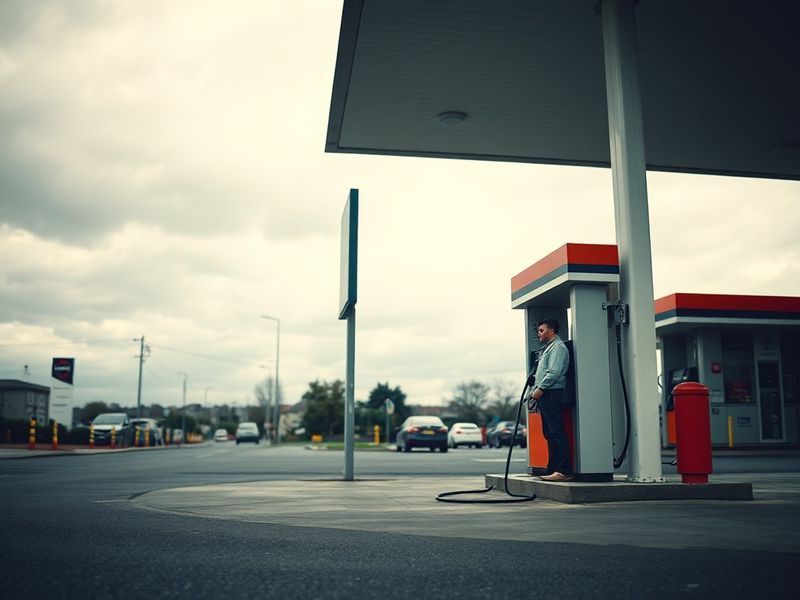
The question of whether Ireland is “out of fuel” has been circulating in recent weeks, sparking concerns among motorists, businesses, and policymakers alike. While the country isn’t facing a complete shortage, supply chain disruptions and rising global energy prices have created a delicate balance. Here’s what you need to know about the current situation.
Understanding the Supply Chain Disruptions
Ireland’s fuel supply relies heavily on imports, with the vast majority of petrol and diesel arriving via shipments from refineries in the UK and Europe. Recent geopolitical tensions, particularly the conflict in Ukraine, have strained these supply lines. Shipping delays and increased demand for refined fuels have pushed inventories to lower-than-usual levels.
The Irish fuel reserves, managed by the National Oil Reserves Agency (NORA), are designed to buffer against short-term shortages. However, these reserves are not infinite, and prolonged disruptions could test their limits. Industry experts warn that if imports continue to lag, localized shortages may emerge in the coming months.
Another contributing factor is the seasonal demand spike. Summer travel typically increases fuel consumption, and this year’s post-pandemic rebound has exacerbated the strain. Refineries in Europe are operating at near-capacity, leaving little room for additional exports to Ireland.
The Impact on Consumers and Businesses
For everyday drivers, the immediate impact has been limited but noticeable. Some petrol stations in rural areas have reported temporary shortages, particularly for premium fuels. Prices at the pump have also climbed, reflecting the higher cost of imported crude oil and refined products.
- Motorists: Diesel prices have risen by approximately 12% since January, while unleaded petrol is up by 8%. These increases are putting pressure on household budgets, especially for those who rely on cars for commuting.
- Transport Sector: Trucking companies are feeling the pinch, with some reporting delays in refueling. The Road Haulage Association of Ireland has urged the government to monitor the situation closely to prevent disruptions to food and medical supply chains.
- Small Businesses: Independent garages and service stations are facing higher wholesale costs, which they may pass on to customers. Some have even started rationing fuel to stretch their supplies further.
The government has downplayed the risk of a full-blown crisis, emphasizing that strategic reserves remain intact. However, the Irish Fuel Distributors Association has called for a coordinated response to ensure equitable distribution across the country.
Government Response and Long-Term Solutions
In response to the tightening supply, the Irish government has taken steps to stabilize the market. Earlier this year, it extended tax relief measures on fuel, which provided temporary relief to consumers. Additionally, NORA has accelerated plans to expand Ireland’s storage capacity, with new facilities expected to come online by 2025.
Energy Minister Eamon Ryan has acknowledged the challenges but stressed that Ireland is not at risk of running out of fuel. “We are monitoring the situation daily,” he stated in a recent press conference. “Our priority is to ensure that essential services like hospitals and emergency services have uninterrupted access to fuel.”
Longer-term, Ireland is accelerating its transition to renewable energy sources to reduce dependence on imported fossil fuels. The Climate Action Plan aims to cut oil consumption by 50% by 2030, with a focus on electrifying public transport and promoting biofuels. However, these changes will take years to materialize, leaving the country vulnerable in the short term.
What Lies Ahead for Ireland’s Fuel Supply?
The next few months will be critical in determining whether Ireland can avoid a more serious fuel shortage. Several factors will influence the outcome:
- Global Oil Prices: If crude oil prices stabilize or decline, the pressure on Ireland’s fuel supply will ease. However, any new geopolitical conflicts or production cuts by OPEC+ could worsen the situation.
- Refinery Output in Europe: If European refineries ramp up production or if new suppliers emerge, Ireland’s import capacity could improve.
- Consumer Behavior: If drivers adopt fuel-efficient driving habits or switch to electric vehicles, demand could decrease, reducing strain on supplies.
- Government Intervention: Additional measures, such as temporary fuel subsidies or rationing plans, could be introduced if shortages worsen.
For now, motorists are advised to plan their refueling trips carefully and avoid panic buying. While the risk of a severe shortage remains low, the situation serves as a reminder of Ireland’s vulnerability to global energy fluctuations.
Final Thoughts
Ireland is not out of fuel, but the current supply chain challenges highlight the fragility of its energy infrastructure. The crisis underscores the need for diversified energy sources and a faster transition to renewables. In the meantime, both the government and industry must work together to ensure that fuel remains accessible to all.
For updates on energy policies and fuel prices, keep an eye on Dave’s Locker for the latest analysis.