<!DOCTYPE html>
<html lang="en">
<head>
    <meta charset="UTF-8">
    <meta name="viewport" content="width=device-width, initial-scale=1.0">
    <title>P&O Cruises: A Legacy of Maritime Excellence and Modern Adaptation</title>
</head>
<body>
    <h2>From Humble Beginnings to Global Recognition</h2>
    <p>P&O Cruises traces its origins to 1837, when the Peninsular Steam Navigation Company was founded in the United Kingdom. Originally established to transport mail between England and the Iberian Peninsula, the company quickly expanded its services to include passenger travel. By 1844, it had launched its first passenger cruise, marking the beginning of a legacy that would shape the cruise industry for nearly two centuries.</p>

    <p>The company’s early years were defined by innovation and adaptability. In 1977, P&O Cruises introduced the first purpose-built cruise ship designed specifically for British passengers, the <em>Oriana</em>. This vessel set a new standard for ocean liners, blending luxury with functionality in ways that resonated with travelers. The <em>Oriana</em>’s success demonstrated P&O’s ability to anticipate market demands and deliver experiences that stood out in a competitive industry.</p>

    <p>Today, P&O Cruises operates as a subsidiary of Carnival Corporation & plc, one of the world’s largest cruise companies. While its fleet has evolved to include modern ships like the <em>Iona</em> and <em>Arvia</em>, the brand remains rooted in its heritage of providing high-quality, family-friendly cruises. The contrast between its historic roots and contemporary offerings highlights P&O’s enduring appeal—a blend of tradition and innovation that continues to attract diverse audiences.</p>

    <h2>Fleet Evolution and Design Innovations</h2>
    <p>P&O Cruises’ fleet has undergone significant transformations over the decades, reflecting both technological advancements and shifting consumer preferences. The introduction of the <em>Arcadia</em> in 2005 marked a turning point, as it was the first ship in the fleet to feature a modern, streamlined design tailored to European travelers. This vessel also introduced the concept of “outdoor living spaces,” a feature that has since become a staple in P&O’s newer ships.</p>

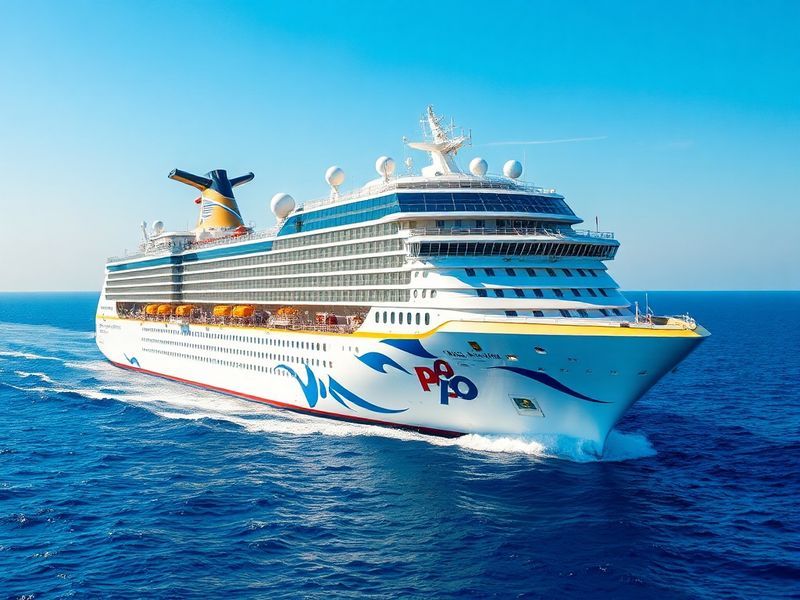
    <p>The <em>Iona</em>, launched in 2020, represents the pinnacle of P&O’s design philosophy. At 184,000 gross tons, it is one of the largest ships in the fleet, accommodating over 5,200 passengers. What sets the <em>Iona</em> apart is its focus on sustainability and guest experience. The ship incorporates advanced waste management systems, energy-efficient technologies, and a variety of dining and entertainment options designed to cater to multigenerational families. Its “British-inspired” aesthetic, complete with a grand atrium and West End-style shows, underscores P&O’s commitment to blending cultural familiarity with modern luxury.</p>

    <p>Another notable addition is the <em>Arvia</em>, which debuted in 2022 as the first ship in the fleet powered by liquefied natural gas (LNG). This innovation reduces carbon emissions by up to 90% compared to traditional marine fuels, aligning with the growing demand for eco-conscious travel. The <em>Arvia</em> also introduces unique features like the “SkyDome,” a retractable glass roof that transforms an indoor space into an open-air venue, further enhancing the onboard experience.</p>

    <h3>Key Features of P&O Cruises’ Modern Fleet</h3>
    <ul>
        <li><strong>Sustainability:</strong> Ships like the <em>Arvia</em> utilize LNG, reducing environmental impact while maintaining performance.</li>
        <li><strong>Family-Centric Design:</strong> Spacious cabins, kids’ clubs, and interactive entertainment zones cater to travelers of all ages.</li>
        <li><strong>Culinary Diversity:</strong> Multi-restaurant concepts offer everything from casual buffets to specialty dining experiences.</li>
        <li><strong>British Heritage:</strong> Themed bars, afternoon tea, and West End productions evoke a nostalgic yet contemporary atmosphere.</li>
        <li><strong>Technological Integration:</strong> Smart cabins, app-based services, and high-speed connectivity enhance guest convenience.</li>
    </ul>

    <h2>Cultural Impact and Industry Influence</h2>
    <p>P&O Cruises has played a pivotal role in shaping the cruise industry, particularly in Europe. Its emphasis on British culture—from cuisine to entertainment—has carved out a distinct niche in a market often dominated by American or Caribbean-focused brands. This cultural specificity has allowed P&O to cultivate a loyal customer base while attracting international travelers seeking a uniquely British experience.</p>

    <p>The brand’s influence extends beyond its ships. P&O Cruises has been instrumental in popularizing cruise tourism in regions like the Mediterranean, Northern Europe, and the British Isles. Its itineraries often feature iconic destinations such as Barcelona, Amsterdam, and the Norwegian fjords, introducing millions of passengers to these locales. By partnering with local tour operators and cultural institutions, P&O has also contributed to the economic vitality of these destinations, supporting everything from small businesses to heritage sites.</p>

    <p>Moreover, P&O Cruises has adapted to changing societal trends, such as the rise of solo travel and the demand for wellness-focused experiences. The introduction of solo cabins on newer ships addresses the growing number of travelers seeking flexibility and affordability. Meanwhile, wellness retreats, spa facilities, and fitness programs reflect a broader industry shift toward holistic travel experiences. These adaptations demonstrate P&O’s ability to stay relevant in an evolving market without compromising its core identity.</p>

    <h2>Challenges and Future Prospects</h2>
    <p>Despite its storied history, P&O Cruises faces challenges that mirror those of the broader cruise industry. The COVID-19 pandemic brought operations to a halt in 2020, forcing the company to implement stringent health protocols and adapt to new regulatory environments. While the industry has rebounded, lingering concerns about safety and sustainability continue to shape consumer perceptions. P&O’s response—including enhanced cleaning procedures and vaccination requirements—has helped rebuild trust, but the road to full recovery remains uneven.</p>

    <p>Another challenge is the increasing competition from river cruises, expedition voyages, and land-based vacation alternatives. To counter this, P&O is investing in unique itineraries and experiential offerings. For example, its “Discovery Expeditions” series provides immersive wildlife encounters in destinations like the Arctic and Antarctica, appealing to adventure-seekers. Additionally, the company is exploring partnerships with digital platforms to enhance pre- and post-cruise engagement, ensuring that its brand remains top-of-mind in a crowded market.</p>

    <p>Looking ahead, P&O Cruises is poised to leverage emerging trends such as sustainable tourism and digital transformation. The upcoming launch of the <em>Arvia</em>’s sister ship, the <em>Armagna</em>, scheduled for 2026, will further expand the fleet’s capacity and technological capabilities. With a focus on reducing its carbon footprint and enhancing guest personalization, P&O is positioning itself as a leader in responsible and innovative cruising.</p>

    <h3>Strategic Priorities for P&O Cruises</h3>
    <ol>
        <li><strong>Sustainability Leadership:</strong> Expand LNG-powered vessels and invest in alternative fuels to meet decarbonization goals.</li>
        <li><strong>Technology Integration:</strong> Enhance digital tools for booking, onboard navigation, and personalized experiences.</li>
        <li><strong>Cultural Authenticity:</strong> Strengthen ties with British heritage while incorporating global influences to attract diverse audiences.</li>
        <li><strong>Health and Safety:</strong> Maintain rigorous protocols and transparent communication to address traveler concerns.</li>
        <li><strong>Community Engagement:</strong> Collaborate with local partners to create authentic, mutually beneficial travel experiences.</li>
    </ol>

    <p>P&O Cruises stands at a crossroads, balancing its rich heritage with the demands of a rapidly changing world. Its ability to innovate while preserving its identity will determine its future success. For travelers, this means continued access to memorable voyages that blend tradition with modernity—a testament to P&O’s enduring legacy in the cruise industry.</p>

    <blockquote>
        “P&O Cruises has always been more than just a voyage; it’s a journey through time, culture, and innovation. From its 19th-century origins to its cutting-edge ships today, the brand remains a bridge between the past and the future of travel.”
    </blockquote>

    <p>For those interested in exploring cruise destinations and industry trends, visit <a href="https://www.daveslocker.net/travel">Dave’s Locker Travel</a> for curated guides and expert insights. Additionally, <a href="https://www.daveslocker.net/entertainment">Dave’s Locker Entertainment</a> offers reviews and analysis of onboard experiences, from culinary offerings to live performances.</p>
</body>
</html>

---
METADATA
{
  "title": "P&O Cruises: History, Fleet Innovations and Industry Impact",
  "metaDescription": "Explore P&O Cruises' legacy, fleet evolution, and role in shaping the cruise industry with modern innovations.",
  "categories": ["Travel", "Entertainment"],
  "tags": ["P&O Cruises", "cruise ships", "maritime history", "sustainable tourism", "British travel brands"],
  "imageDescription": "A panoramic view of the P&O Cruises ship 'Iona' docked at a Mediterranean port, showcasing its modern design, expansive decks, and British-inspired aesthetics under a clear blue sky."
}
---END METADATA---