Bloodborne: Why This 2015 Horror RPG Still Haunts Gamers
“`html
Bloodborne: A Gothic Masterpiece That Still Haunts Gamers
FromSoftware’s Bloodborne arrived in 2015 as a PlayStation 4 exclusive, but its influence has stretched far beyond Sony’s ecosystem. The action RPG, directed by Hidetaka Miyazaki, refined the mechanics of Dark Souls while forging its own identity through gothic horror, fast-paced combat, and a world steeped in mystery. Nearly a decade later, it remains a touchstone for game design and a benchmark for atmospheric storytelling.
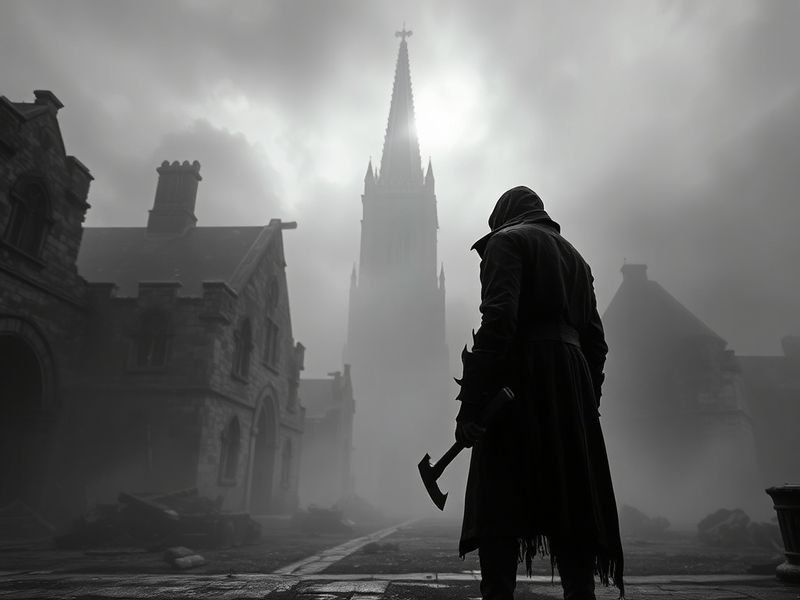
Unlike many titles that rely on scripted set pieces or jump scares, Bloodborne crafts dread through environmental storytelling and mechanical tension. The city of Yharnam, with its labyrinthine streets and crumbling architecture, feels alive with unseen horrors. Every flickering gas lamp and distant scream hints at a world on the brink of collapse. This isn’t just a setting—it’s a character, one that reacts to the player’s choices and failures.
The Combat That Redefined Souls-Like Games
At its core, Bloodborne is a combat-driven experience, but it distanced itself from the deliberate, methodical pace of Dark Souls. Movement is fluid, attacks are aggressive, and recovery windows are tight. The game rewards precision and timing rather than endurance, pushing players to master its rhythm-based systems.
The weapon system exemplifies this philosophy. Players can transform their primary weapon into alternate forms mid-combat, offering versatility without sacrificing depth. A saw cleaver can shift into a longer, faster blade, while a threaded cane becomes a brutal spear. This fluidity encourages experimentation, letting players adapt to different enemy types and scenarios.
But the true innovation lies in the game’s approach to healing. Instead of relying solely on Estus Flasks, players can regain health by landing well-timed attacks on weakened enemies—a mechanic known as rallying. This creates a high-stakes dynamic where players must balance aggression and caution, rewarding those who press their advantage without overcommitting.
For fans eager to explore similar combat systems, our gaming section features deep dives into action RPGs and Souls-like titles that push mechanical boundaries.
The Lore: Mystery Wrapped in Ambiguity
Bloodborne is notoriously cryptic, presenting its narrative through environmental clues, item descriptions, and fragmented dialogue. There’s no traditional cutscene exposition here—just a world that slowly reveals its secrets to those willing to piece together its horrors. The story unfolds in layers, with each area offering new insights into the city’s descent into madness.
The game’s themes revolve around cosmic horror, forbidden knowledge, and the cyclical nature of suffering. The Great Ones—godlike beings worshipped by Yharnam’s inhabitants—are central to the narrative, embodying the terror of the unknown. Their designs, inspired by Lovecraftian horror, are both awe-inspiring and grotesque, reinforcing the game’s tone of existential dread.
One of the most compelling aspects of Bloodborne’s storytelling is its reliance on player interpretation. The game never holds your hand, leaving gaps for theories and debates to flourish. Is the Hunter a savior, a pawn, or something far worse? The answer isn’t clear, and that ambiguity is part of the experience’s allure.
Key Narrative Pillars
- Cosmic Horror: Themes of inevitability and human insignificance pervade the game, drawing from Lovecraft and other horror traditions.
- Environmental Storytelling: Areas like the Forbidden Woods or Cainhurst Castle reveal lore through design alone, requiring players to observe and deduce.
- Unreliable Narrators: Characters like Gehrman and the Doll speak in riddles, leaving players to question their motives and sanity.
- The Hunter’s Role: The protagonist is both protagonist and potential villain, complicating traditional hero narratives.
For those interested in the intersection of horror and game design, our culture section explores how media leverages atmosphere and ambiguity to create lasting impact.
Legacy and Influence: A Lasting Blueprint
Bloodborne didn’t just refine the Souls formula—it expanded it, proving that accessibility and depth could coexist. Its combat mechanics inspired titles like Nioh, Lies of P, and The Surge, while its gothic aesthetic became a blueprint for horror games. Even FromSoftware’s later works, such as Elden Ring, owe a debt to its approach to world-building and player agency.
The game’s influence extends beyond gameplay, too. Its art style, characterized by grotesque beauty and oppressive darkness, has been referenced in films, music, and even fashion. The Bloodborne aesthetic—with its Victorian influences, monstrous designs, and haunting sound design—has become a cultural shorthand for gothic horror in digital spaces.
Despite its success, Bloodborne remains a niche title in some respects. Its difficulty and lack of a traditional narrative may deter casual players, but for those who embrace its challenges, it offers a uniquely rewarding experience. The game’s ability to foster community engagement—through speedrunning, lore discussions, and modding—has only strengthened its legacy over time.
Why It Endures
- Masterful Design: Every aspect of Bloodborne, from its combat to its level design, feels intentional and polished.
- Atmospheric Immersion: The game’s world is one of the most cohesive and immersive in gaming, with sound and visuals working in perfect harmony.
- Player Agency: Choices—from weapon loadouts to endings—matter, giving players a sense of ownership over their journey.
- Cultural Impact: It has transcended its medium, inspiring art, music, and even academic analysis of its themes and mechanics.
Final Thoughts: A Game That Lingers
Bloodborne is more than a game—it’s an experience. Its gothic horror, tight combat, and enigmatic storytelling create a world that feels both vast and intimate. Players who venture into Yharnam don’t just face challenges; they become part of a narrative that lingers long after the credits roll. The game’s ability to evoke emotion—whether through triumph, terror, or melancholy—is a testament to its design and ambition.
Nearly a decade after its release, Bloodborne remains a benchmark for action RPGs and horror games alike. It’s a reminder that great art doesn’t need to explain itself—it just needs to make you feel. Whether you’re a seasoned Souls veteran or a newcomer to the genre, Yharnam awaits, and its horrors are as compelling as ever.
For further reading on games that push boundaries in storytelling and design, explore our entertainment section, where we analyze the latest trends and timeless classics.