FromSoftware’s Bloodborne arrived in 2015 as a dark revelation in the action RPG genre. Despite its age, the game remains a benchmark for gothic storytelling, punishing gameplay, and atmospheric horror. Unlike its predecessor, Dark Souls, Bloodborne embraced a faster, more aggressive combat system while weaving a Lovecraftian narrative that lingers with players years after completion.
The game’s influence extends beyond its own boundaries. It redefined player expectations for difficulty and reward, proving that a game could be both merciless and deeply rewarding. Even today, Bloodborne stands as a testament to FromSoftware’s ability to craft worlds that feel alive—yet utterly unforgiving. Its legacy persists not just in its mechanics, but in the way it shaped an entire generation of action RPGs and horror games.
The Game That Redefined Gothic Horror in Gaming
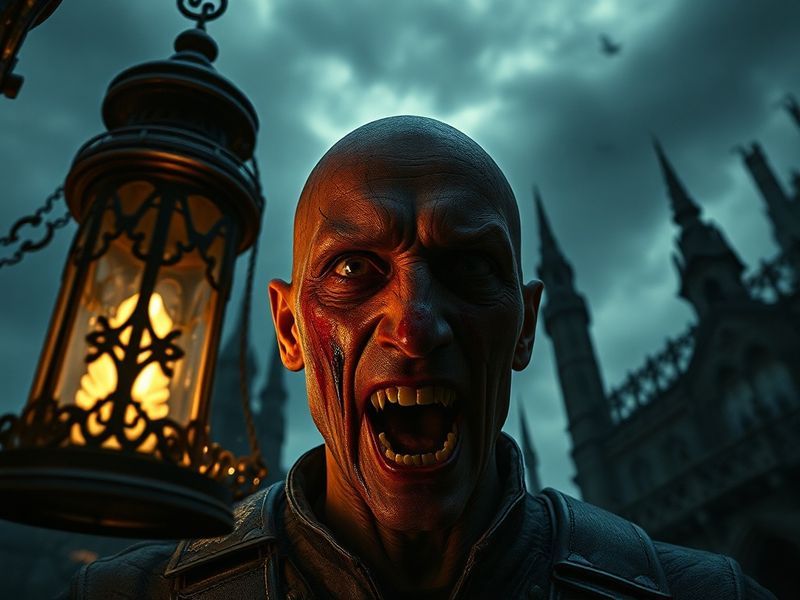
Bloodborne isn’t merely a game set in a gothic world—it’s a masterclass in environmental storytelling. The city of Yharnam, with its crumbling architecture, flickering gas lamps, and eerie sound design, immerses players in a nightmarish vision of Victorian-era horror. The game’s aesthetic draws from classic gothic literature, but it also introduces cosmic horror elements that elevate it beyond traditional vampire tales.
FromSoftware’s approach to world-building is subtle yet deliberate. Players uncover the city’s dark secrets through item descriptions, enemy behaviors, and environmental cues rather than through exposition. This method creates a sense of discovery that few games replicate. The transition from day to night in Yharnam isn’t just a visual shift—it’s a psychological one, as the city’s true horrors emerge under the cover of darkness.
The game’s bosses are particularly noteworthy. Each encounter feels like a duel with a character straight out of a nightmare. Ludwig, the first form of the Ludwig fight, embodies the tragic warrior, while the Moon Presence represents the cosmic indifference of the cosmos. These encounters aren’t just challenges; they’re narrative beats that deepen the player’s understanding of Yharnam’s descent into madness.
The Combat System That Changed Action RPGs Forever
Where Dark Souls emphasized methodical, defensive play, Bloodborne embraced aggression. The game’s combat system rewards bold playstyles, encouraging players to attack relentlessly rather than hide behind shields. This shift was groundbreaking, as it forced players to adapt their strategies in real time. The absence of a shield mechanic wasn’t just a design choice—it was a statement about how players should engage with the world.
The game’s weapon system is equally innovative. Players wield a variety of tricked-out tools, from the saw cleaver’s brutal slashes to the threaded cane’s whip-like strikes. Each weapon encourages a different playstyle, and the game’s RPG mechanics allow for deep customization. The ability to transform weapons mid-combat added another layer of strategy, making every encounter feel dynamic and unpredictable.
This combat system didn’t just influence FromSoftware’s later games—it shaped the entire action RPG genre. Titles like Nioh and Elden Ring owe a debt to Bloodborne’s aggressive, fluid combat. Even games outside the genre, such as Devil May Cry 5, borrowed elements from its design philosophy. Bloodborne proved that action RPGs didn’t need to be slow or methodical to be deep.
Key Features That Define Bloodborne
- Fast-Paced Combat: A radical departure from Dark Souls, emphasizing aggression and precision over defense.
- Lovecraftian Narrative: A story that blends gothic horror with cosmic terror, leaving players questioning reality.
- Dynamic World Design: Yharnam evolves from a bustling city to a nightmarish wasteland, reflecting the player’s journey.
- Unforgiving Difficulty: Death is a constant companion, but each failure teaches players how to overcome the game’s challenges.
- Atmospheric Horror: The game’s sound design, lighting, and enemy designs create an oppressive, immersive experience.
The Broader Impact of Bloodborne on Gaming
Bloodborne didn’t just leave a mark on the games industry—it redefined what players expect from action RPGs. Its influence is evident in nearly every major release since 2015. Games like The Witcher 3 and God of War (2018) adopted some of its storytelling techniques, while titles like Sekiro: Shadows Die Twice perfected its combat philosophy. Even Elden Ring, FromSoftware’s 2022 magnum opus, owes much to Bloodborne’s world-building and combat design.
Beyond mechanics, Bloodborne also proved that games could tackle mature themes with depth and nuance. The game’s narrative, while cryptic, explores themes of obsession, sacrifice, and the cyclical nature of violence. These themes resonate with players long after they’ve put the controller down, elevating Bloodborne beyond mere entertainment. It’s a game that challenges players not just to overcome its obstacles, but to engage with its story on a deeper level.
The game’s modding community has also kept Bloodborne alive in unexpected ways. Tools like the Bloodborne PS4 Modding Tool have allowed players to create custom content, from new weapons to entirely new areas. This community-driven creativity ensures that Bloodborne remains relevant, even as FromSoftware moves on to new projects. The game’s modding scene is a testament to its enduring appeal and the passion of its player base.
Why Bloodborne Still Matters Today
In an era where games are increasingly designed to be accessible, Bloodborne remains defiantly difficult. It’s a game that demands patience, skill, and perseverance. But it’s also a game that rewards those who rise to its challenges. The satisfaction of overcoming a boss like Lady Maria or defeating the Orphan of Kos isn’t just about progression—it’s about personal growth. Bloodborne teaches players that failure isn’t the end; it’s a lesson.
The game’s legacy is also evident in its cultural impact. References to Bloodborne appear in everything from TV shows to music, and its aesthetic has inspired countless artists and designers. The game’s unique blend of horror and action has made it a touchstone for discussions about the medium’s potential as an art form. It’s a game that challenges players not just to play, but to think.
For new players, Bloodborne might seem intimidating. But those who take the time to unravel its mysteries will find a game that’s as rewarding as it is challenging. It’s a game that lingers in the mind, its horrors and triumphs echoing long after the credits roll. In a landscape where games are often disposable, Bloodborne endures because it’s more than just a game—it’s an experience.
Whether you’re a longtime fan or a newcomer, Bloodborne offers a journey unlike any other. It’s a game that will test your limits, but it’s also a game that will change how you see the medium. And in the end, that’s what makes it truly special.
For more on action RPGs and horror games, check out our Gaming and Entertainment categories.