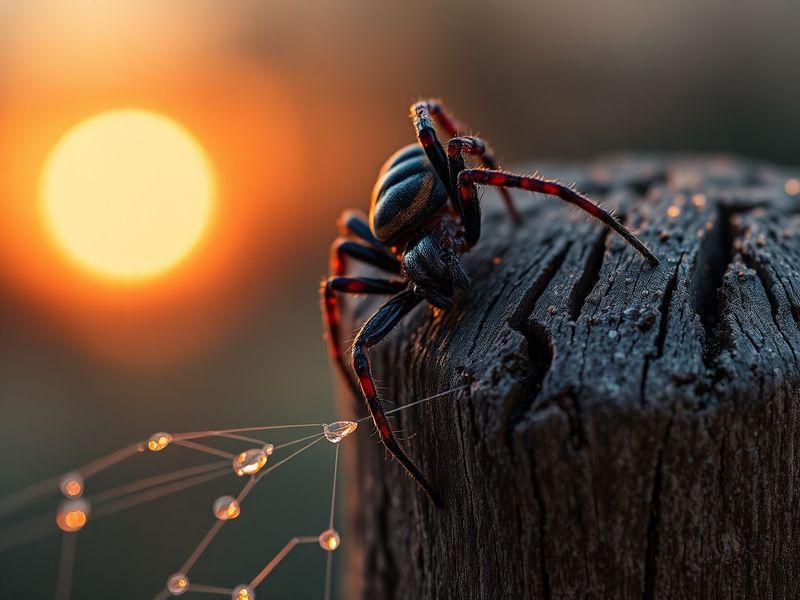
Understanding False Widow Spiders: Europe’s Most Misunderstood Arachnids
The false widow spider, often shrouded in myth and misidentification, has become one of Europe’s most talked-about arachnids in recent years. Despite their fearsome reputation, these spiders are far less dangerous than popular culture suggests. Their rapid spread across the continent has raised ecological questions, while their occasional interactions with humans have fueled both curiosity and concern. To separate fact from fiction, it’s essential to examine their biology, behavior, and the broader implications of their presence in urban and natural environments.
The Rise of the False Widow: A Spider on the Move
The false widow spider, belonging to the genus Steatoda, is native to regions like the Canary Islands and Madeira. However, human activity has facilitated their migration, leading to established populations in countries such as the UK, Ireland, and parts of mainland Europe. The Steatoda nobilis, in particular, has thrived in temperate climates, adapting seamlessly to urban landscapes where buildings provide ideal shelter and hunting grounds.
Several factors contribute to their success:
- Climate Adaptability: False widows tolerate a wide range of temperatures, allowing them to survive in both rural and urban settings.
- Dietary Flexibility: They feed on a variety of insects, including pests like flies and mosquitoes, which inadvertently benefits human environments.
- Reproductive Prolificacy: Females lay multiple egg sacs, each containing hundreds of spiderlings, ensuring rapid population growth.
- Human-Mediated Spread: Hitchhiking on vehicles, cargo, and even potted plants has accelerated their dispersal across borders.
While their expansion is a testament to their resilience, it also highlights the unintended consequences of globalization on local ecosystems. As these spiders integrate into new habitats, they compete with native species, sometimes displacing them entirely. This ecological disruption has sparked debates among conservationists about the long-term impact of invasive species.
Dispelling Myths: The Truth About False Widow Bites
One of the most pervasive myths surrounding false widows is their supposed lethality. Sensationalized media reports often describe their bites as life-threatening, but scientific evidence tells a different story. False widows possess venom, like all spiders, but their bites are rarely medically significant. Symptoms, when they occur, typically include localized pain, swelling, and redness, similar to a bee or wasp sting. Severe reactions are exceptionally rare and usually limited to individuals with pre-existing allergies or compromised immune systems.
A study published in the Journal of Medical Entomology analyzed 100 reported false widow bites in the UK. Of these, only 10% required medical attention, and none resulted in serious complications. The majority of victims experienced mild discomfort that subsided within a few days. This data underscores the importance of accurate reporting to prevent unnecessary panic.
Despite their relatively harmless nature, false widows can deliver a painful bite if threatened or accidentally pressed against skin. To minimize risks, experts recommend:
- Shaking Out Clothing: Check shoes, gloves, and bedding before use, especially in areas where spiders may hide.
- Sealing Entry Points: Install door sweeps and repair cracks in walls to reduce spider access to indoor spaces.
- Non-Lethal Removal: Use a glass and paper to safely relocate spiders outside rather than killing them.
- Staying Calm: Avoid swatting or provoking spiders, as this increases the likelihood of a defensive bite.
The fear of false widows is often disproportionate to the actual threat they pose. By fostering a more informed perspective, we can coexist with these arachnids without unnecessary alarm.
The False Widow in the Web of Public Perception
The false widow’s reputation is as much a product of cultural narratives as it is of ecological reality. Stories of their spread frequently evoke images of an impending spider apocalypse, where homes become overrun by venomous invaders. While these narratives capture public imagination, they also obscure the nuanced role these spiders play in their new environments.
Consider the case of the UK, where the false widow has become a symbol of changing biodiversity. As native spider populations decline due to habitat loss and pesticide use, false widows have filled ecological niches left vacant. Their presence has even been linked to a decrease in certain pest insects, offering a subtle form of natural pest control. This ecological service, though often overlooked, highlights the complexity of invasive species dynamics.
Yet, public perception remains skewed. A survey conducted by the University of Reading found that 60% of respondents associated false widows with danger, despite 80% having never encountered one. This disconnect between perception and reality underscores the power of media sensationalism. By focusing on the rare and dramatic, outlets often neglect the broader context of these spiders’ roles in ecosystems.
Moreover, the false widow’s rise invites broader questions about human-wildlife conflict in an increasingly urbanized world. As natural habitats shrink, species like the false widow adapt by colonizing human-dominated landscapes. This shift forces us to reconsider our relationship with “unwanted” wildlife. Are these spiders pests to be eradicated, or are they merely beneficiaries of ecological change?
Living with False Widows: Coexistence and Caution
For those living in regions where false widows are established, coexistence is not only possible but increasingly necessary. The key lies in balancing caution with understanding. While it’s impractical—and arguably unethical—to attempt their eradication, proactive measures can mitigate the risks of bites and reduce unnecessary fear.
Education plays a critical role in this process. By disseminating accurate information about false widows, we can demystify these spiders and foster a more rational response. Schools, community centers, and even social media platforms can serve as conduits for this knowledge, ensuring that the public is better equipped to handle encounters.
For those particularly anxious about spiders, professional pest control services can offer peace of mind. However, it’s worth noting that many pest control methods—such as chemical sprays—can harm other beneficial species. A targeted approach, focusing on exclusion and non-lethal removal, is often more sustainable and environmentally friendly.
Ultimately, the false widow’s story is a microcosm of the challenges and opportunities presented by invasive species. Their spread is a reminder of nature’s adaptability, but it also challenges us to rethink our place in the ecosystem. Rather than viewing these spiders as adversaries, we might consider them as unwitting ambassadors of ecological change—creatures that force us to confront our evolving relationship with the natural world.
For more insights into the fascinating world of arachnids and other misunderstood creatures, explore our Trending and Science sections on Dave’s Locker. Whether you’re a curious naturalist or simply seeking to separate fact from fiction, these resources offer a deeper dive into the stories that shape our understanding of the wild.
Conclusion
The false widow spider, with its complex legacy and misunderstood nature, challenges us to look beyond the headlines. While their spread across Europe is undeniable, the narrative surrounding them is often exaggerated. By approaching this topic with curiosity and critical thinking, we can appreciate the role these spiders play in their ecosystems while taking sensible precautions to ensure safe coexistence. In a world where urbanization and globalization continue to reshape natural habitats, the story of the false widow is a compelling example of nature’s resilience—and our own evolving relationship with the creatures we share this planet with.