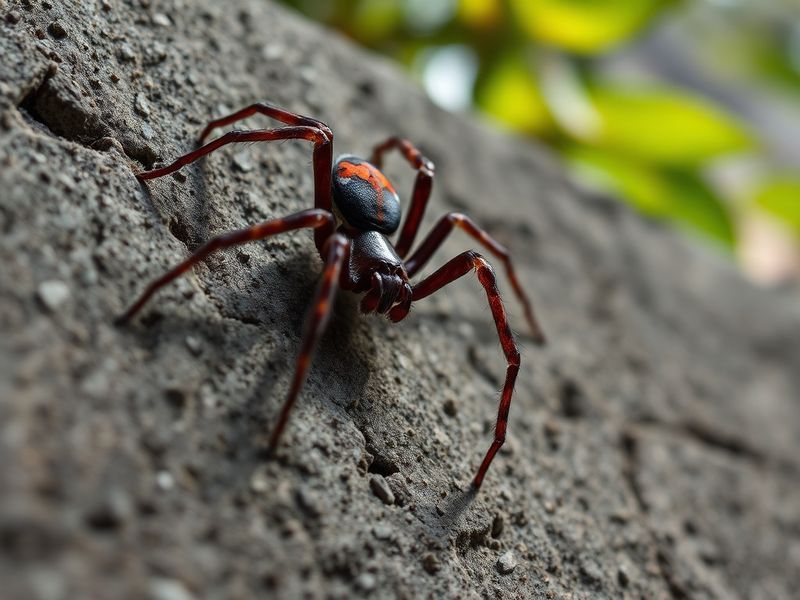
false widow
“`html
False Widow Spiders: Understanding the Rising Threat in the UK
The false widow spider, often misunderstood and frequently misidentified, has become one of the most talked-about arachnids in the UK over the past decade. While native species like the common house spider have long shared our homes without incident, the false widow has gained notoriety for its increasingly frequent sightings and, in some cases, painful bites.
These spiders, which belong to the Steatoda genus, are not as dangerous as their notorious relative, the black widow. However, their growing presence in urban and suburban environments has sparked both public concern and scientific interest. Understanding their behavior, habitat, and the risks they pose is essential for anyone living in areas where they are now established.
The False Widow’s Rise: How Did It Happen?
The false widow spider, particularly the Steatoda nobilis, is believed to have arrived in the UK from the Canary Islands and Madeira in the late 19th century, likely hitchhiking on ships or imported goods. Initially, its presence was confined to warmer southern regions, but over the past few decades, it has expanded its range dramatically.
Climate change has played a significant role in this spread. Warmer winters have allowed false widows to survive and reproduce in areas where they would have previously perished. Urban heat islands—cities and towns where temperatures are artificially elevated—have also created ideal conditions for these spiders to thrive.
Another factor is human activity. The global movement of goods and people has inadvertently transported spiders to new locations. False widows are adept hitchhikers, often hiding in deliveries, luggage, or even on clothing. As a result, their populations have surged in places like London, the Southeast, and even as far north as Scotland.
Key Factors Contributing to the False Widow’s Spread
- Climate Change: Warmer temperatures enable survival and reproduction in previously inhospitable regions.
- Urbanization: Cities provide abundant shelter and food sources, such as insects attracted to artificial lighting.
- Human Transport: Global trade and travel facilitate accidental introductions to new areas.
- Lack of Natural Predators: In the UK, false widows face fewer predators compared to their native habitats.
Identifying the False Widow: What You Need to Know
False widows are often confused with their more dangerous cousins, the black widows, but there are key differences. The most common species in the UK, Steatoda nobilis, is typically brown or dark grey with a distinctive cream or pale marking on its abdomen. Females can grow up to 15mm in body length, while males are smaller and less frequently encountered.
One of the most notable features is the web. False widows create tangled, three-dimensional webs in sheltered locations such as sheds, garages, window frames, and even inside homes. Unlike the neat, spiral webs of orb-weaver spiders, their webs are messy and often go unnoticed until a spider is spotted nearby.
Another misconception is the belief that all false widows are aggressive. In reality, they are shy creatures that prefer to retreat rather than confront humans. Bites typically occur when a spider is accidentally pressed against skin, such as when putting on a shoe or reaching into a dark corner.
The Bite: Pain, Myths, and Reality
While the false widow’s bite can be painful and, in some cases, cause localized swelling, severe reactions are rare. Most bites result in symptoms similar to a bee or wasp sting, including redness, swelling, and throbbing pain that subsides within a few days. However, a small percentage of individuals may experience more severe reactions, such as nausea, sweating, or even systemic effects in rare cases.
Medical professionals advise seeking treatment if symptoms worsen or if there are signs of infection. Antihistamines and pain relief can help manage discomfort, but severe reactions may require medical attention. It’s worth noting that the vast majority of false widow bites do not pose a significant health risk, and fatalities have never been recorded in the UK.
Despite the low risk, public perception of false widows has been heavily influenced by sensationalist media coverage. Headlines often exaggerate the danger, leading to unnecessary fear. This highlights the importance of accurate information and education about these spiders.
Living with False Widows: Prevention and Coexistence
For those living in areas where false widows are established, the key to coexistence lies in prevention and awareness. Simple measures can significantly reduce the likelihood of encountering these spiders in the home. Regularly checking and cleaning dark, undisturbed areas such as sheds, garages, and behind furniture is a good start. Sealing cracks and gaps in walls, windows, and doors can also help prevent spiders from entering.
If a false widow is spotted indoors, it’s best to avoid handling it directly. Using a glass and a piece of paper to relocate the spider outside is a humane and effective method. Pesticides are generally discouraged, as they can harm other beneficial insects and are not always effective against spiders.
For those particularly concerned, professional pest control services can provide targeted solutions. However, it’s important to weigh the ecological impact of such measures, as spiders play a crucial role in controlling insect populations.
Practical Tips for Managing False Widow Spiders
- Declutter: Reduce hiding spots by keeping storage areas tidy and organized.
- Seal Entry Points: Use caulk or weather stripping to close gaps around windows, doors, and foundations.
- Regular Inspections: Check dark corners, behind furniture, and in garages at least once a month.
- Natural Deterrents: Essential oils like peppermint or citrus can act as mild repellents (though their effectiveness is anecdotal).
- Stay Calm: Remember that false widows are more afraid of you than you are of them.
Broader Implications: Ecological and Societal Impact
The rise of the false widow spider is more than just a curiosity—it reflects broader ecological shifts. As invasive species become more common, they challenge native ecosystems and force scientists to rethink conservation strategies. False widows, for example, may compete with native spiders for resources, potentially altering local biodiversity.
From a societal perspective, the false widow’s spread has sparked conversations about urban wildlife and our relationship with nature. While some view these spiders as pests, others see them as an inevitable part of a changing environment. This shift in perspective is crucial as human populations continue to encroach on natural habitats.
Public health officials also monitor the false widow’s spread due to the potential for allergic reactions. While rare, the possibility of severe reactions in sensitive individuals underscores the need for ongoing research and public education.
Conclusion: A Spider in the Room
The false widow spider is a fascinating example of how species adapt and thrive in human-altered environments. While its presence may be unsettling to some, it also serves as a reminder of the dynamic and interconnected nature of ecosystems. By understanding these spiders, we can coexist more peacefully and appreciate their role in the natural world.
For those living in areas where false widows are now common, knowledge and prevention are the best tools. Rather than fearing these spiders, a balanced approach—one that prioritizes education, humane removal, and ecological awareness—can help mitigate concerns while respecting the delicate balance of nature.
As climate change and urbanization continue to reshape our environment, encounters with species like the false widow will become more frequent. The question isn’t whether we can eliminate them, but how we can adapt and coexist in a world where they are increasingly part of our daily lives.
—
METADATA
{
“title”: “False Widow Spiders: The UK’s Rising Arachnid Concern”,
“metaDescription”: “Learn about false widow spiders in the UK—their spread, risks, and how to safely coexist with these misunderstood arachnids.”,
“categories”: [“Science”, “Health”],
“tags”: [“false widow spiders”, “UK wildlife”, “spider bites”, “invasive species”, “arachnid facts”],
“imageDescription”: “A close-up of a false widow spider (Steatoda nobilis) on its messy web in a dimly lit corner of a shed or garage, with natural lighting highlighting its markings and texture.”
}
—END METADATA—
“`