In a quiet corner of the United Kingdom, a story of extraordinary resilience unfolded over the summer of 2023. Felicity-Jo, a 29-year-old artist and community volunteer from Bristol, slipped into a medically induced coma for two weeks following a rare and severe neurological reaction to a common flu vaccination. Her journey—from hospital bed to rehabilitation—resonated far beyond the UK, sparking conversations about medical preparedness, public health messaging, and the human capacity for recovery.
What began as a routine healthcare interaction became a global talking point. News outlets from the UK to Australia picked up her story, framing it not just as a medical case, but as a cultural moment. Social media platforms lit up with messages of support, while medical professionals weighed in on the rarity and management of vaccine-related complications. Felicity-Jo’s case became a lens through which broader questions about trust in public health systems were examined—especially in an era still shadowed by pandemic-era skepticism.
The Medical Landscape: What Happened to Felicity-Jo?
Felicity-Jo’s reaction was triggered by an adverse response to the seasonal influenza vaccine. While such incidents are statistically rare—occurring in roughly one in a million doses—they are not unheard of in clinical practice. In her case, the body’s immune system overreacted, leading to acute disseminated encephalomyelitis (ADEM), a condition involving inflammation and damage to the brain and spinal cord.
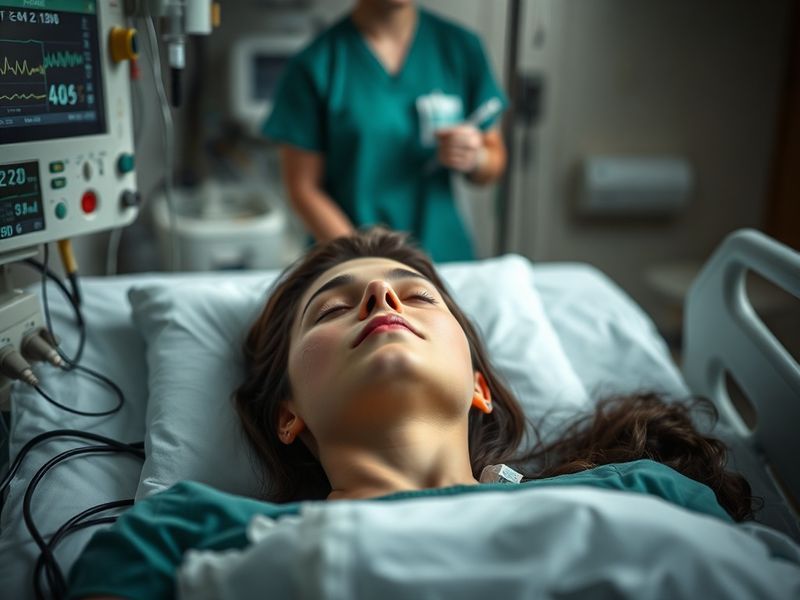
Doctors made the difficult decision to place her in a medically induced coma to reduce brain inflammation and protect neural function. The two-week sedation period allowed her nervous system to stabilize while medical teams monitored her closely. Her family maintained a bedside vigil, documenting her progress on a private blog that unexpectedly went public, drawing international attention.
What made her case particularly noteworthy was the speed and extent of her recovery. Neurologists later attributed it to early intervention, personalized care, and Felicity-Jo’s pre-existing physical fitness and mental resilience. Her story became a case study in hospital protocols and the delicate balance between aggressive treatment and patient autonomy.
Key Factors in Her Recovery
- Rapid medical intervention: Within hours of symptoms appearing, she was admitted to a specialist neurological unit.
- Family advocacy: Her partner and parents worked closely with doctors, ensuring informed consent and continuity of care.
- Rehabilitation focus: After waking, she began intensive physical and cognitive therapy, emphasizing gradual reintegration.
- Community support: Local artists and volunteers organized fundraisers and awareness campaigns, reinforcing her emotional recovery.
A Global Conversation: Trust, Risk, and Public Health
Felicity-Jo’s story transcended borders. In Japan, where vaccine hesitancy has risen due to past scandals, her recovery was cited by public health officials as evidence of vaccine safety when administered correctly. In the United States, anti-vaccine groups paradoxically used her case to argue against immunization, despite the overwhelming medical consensus that benefits far outweigh risks.
Her experience highlighted a global paradox: while vaccines save millions of lives annually, a single adverse event can erode public confidence—especially when amplified by social media. The World Health Organization has long warned that misinformation spreads faster than facts. Felicity-Jo’s case became a test of how societies process rare medical events without losing faith in proven health interventions.
In Europe, regulators moved quickly to include updated warnings on flu vaccine packaging, emphasizing the importance of post-vaccination monitoring. Meanwhile, in India, where vaccine campaigns are critical to public health, medical journalists used her story to reinforce the message that adverse events are rare but possible—and that transparency in reporting builds trust.
Art, Identity, and the Journey Back
For Felicity-Jo, art was both escape and therapy. During her coma, her partner curated an online gallery of her work, titled “Before the Silence.” Visitors could view her paintings—vibrant, surreal landscapes—and leave messages of hope. The project raised over £12,000 for neurological research and became a symbol of creative resilience.
Upon waking, Felicity-Jo struggled with aphasia and motor control. She relearned to walk with a cane and paint with her non-dominant hand. Each small milestone—holding a brush, walking ten steps unaided—was celebrated not just by her family, but by strangers worldwide. Her recovery blog, now public, has been read over 500,000 times, offering a raw, unfiltered look at life after coma.
Her story also sparked discussions in the arts community about disability representation. Felicity-Jo, who identifies as queer and neurodivergent, used her platform to advocate for inclusive art spaces. She collaborated with a local gallery to host an exhibition titled “After the Storm,” featuring works by artists who had experienced neurological trauma.
Lessons from Her Journey
- Medical transparency saves lives: Clear communication between doctors and patients reduces fear and builds trust.
- Cultural narratives matter: How a story is framed can determine whether it heals or harms public perception.
- Recovery is nonlinear: Progress isn’t always upward—setbacks are part of the process.
- Community heals: Support networks, whether online or local, play a vital role in rehabilitation.
Looking Ahead: What’s Next for Felicity-Jo?
Today, Felicity-Jo is back to creating art, though at a slower pace. She has become an advocate, speaking at health summits and art therapy workshops. Her goal isn’t just to recover, but to help others navigate similar journeys. She’s also working on a memoir, co-written with her partner, slated for release in early 2025.
Her story remains a touchstone in discussions about vaccine safety, patient rights, and the power of art in healing. It reminds us that behind every medical statistic is a person—a daughter, an artist, a survivor.
As Felicity-Jo once wrote in a private note shared online: “I didn’t wake up to a miracle. I woke up to a second chance. And I’m using it.”