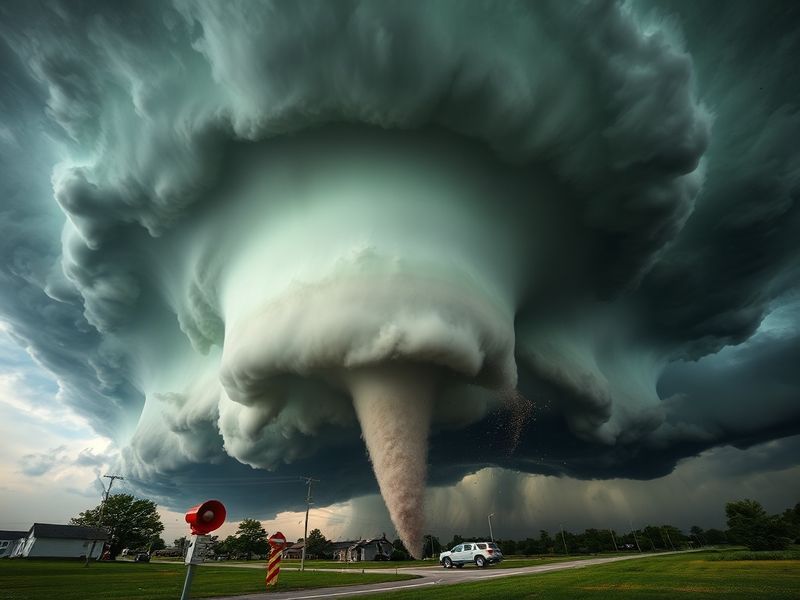
The skies over Madison, Wisconsin, turned tense on a recent afternoon when the National Weather Service issued a tornado warning for the area. While the storm system ultimately spared the city from the worst, the event served as a reminder of the unpredictable nature of severe weather in the Midwest. For residents, it highlighted the importance of staying informed and prepared when meteorological alerts are issued.
Tornado warnings are not uncommon in Wisconsin, particularly during the spring and summer months when atmospheric conditions are ripe for severe thunderstorms. Madison, positioned in Dane County, lies within a region known as “Tornado Alley,” though it experiences fewer direct hits than areas further south. Still, the potential for damage remains significant, making awareness and readiness critical for both individuals and communities.
How Tornado Warnings Are Issued in Wisconsin
The National Weather Service (NWS) is responsible for issuing tornado warnings in Madison and across the United States. These warnings are based on radar data, storm spotter reports, and meteorological models that detect rotation within thunderstorms. When a tornado is imminent or occurring, the NWS will issue a warning for specific counties or areas, including Madison and surrounding communities.
In Wisconsin, the NWS operates several forecast offices, including the one in Sullivan, which covers Madison. The process begins with a tornado watch, which indicates that conditions are favorable for tornado formation. If a tornado is detected or a funnel cloud is spotted, the watch is upgraded to a warning. This escalation triggers emergency alert systems, including Wireless Emergency Alerts (WEA) on smartphones and broadcasts on local radio and television stations.
Residents should pay close attention to these alerts, as they provide critical information about the location, movement, and potential impact of the storm. The NWS also uses social media and its website to disseminate updates, ensuring that the public has multiple channels for receiving vital information.
What to Do When a Tornado Warning Is Issued
When a tornado warning is issued for Madison, immediate action is necessary to ensure safety. The NWS recommends the following steps to minimize risk:
- Seek Shelter Immediately: Move to a basement or an interior room on the lowest floor of a sturdy building. Avoid windows and cover yourself with a mattress or heavy blankets to protect against flying debris.
- Stay Informed: Continue monitoring local weather updates via NOAA Weather Radio, local news, or trusted weather apps. Do not rely solely on outdoor sirens, as they may not be audible indoors or in all areas.
- Prepare an Emergency Kit: Keep a supply of water, non-perishable food, a flashlight, batteries, a first-aid kit, and any necessary medications in an easily accessible location. This kit should be ready at all times during tornado season.
- Avoid Traveling: If you are on the road when a warning is issued, do not attempt to outrun the storm. Instead, pull over and seek shelter in a sturdy building or a low-lying area if no buildings are nearby.
- Communicate with Others: Inform family, friends, and neighbors about the warning and your whereabouts. Use text messages or social media to conserve battery life and avoid overloading phone networks.
Madison’s emergency management officials also emphasize the importance of practicing tornado drills with family members or coworkers. Knowing where to go and what to do in advance can save valuable time during an actual event. Schools, hospitals, and businesses in the area are encouraged to have tornado preparedness plans in place, including designated shelter areas and clear evacuation routes.
Broader Implications of Tornado Warnings for Urban Areas
While tornadoes are often associated with rural landscapes, urban areas like Madison are not immune to their destructive potential. The 2018 tornado that struck the town of Barneveld, about 30 miles west of Madison, serves as a stark reminder of the damage such storms can inflict. With winds exceeding 120 mph, the tornado tore through the small community, destroying homes and businesses and leaving residents without power for days.
For Madison, which has a population of over 250,000, a direct hit from a tornado could have catastrophic consequences. The city’s infrastructure, including its hospitals, schools, and government buildings, would face immense strain. Power outages could disrupt communication networks, while downed trees and debris might block roads, hindering emergency response efforts. The economic impact could be substantial, with businesses forced to close and recovery efforts stretching over months or even years.
Climate change further complicates the outlook for tornado activity in the Midwest. While the overall number of tornadoes may not be increasing, research suggests that they are becoming more intense and occurring in clusters. This trend underscores the need for cities like Madison to invest in resilient infrastructure and comprehensive emergency plans. Upgrading warning systems, retrofitting buildings, and educating the public are all critical steps in mitigating the risks posed by these powerful storms.
Community Response and Long-Term Preparedness
In the aftermath of a tornado warning, Madison’s community response often reflects its resilience and preparedness. Local organizations, such as the American Red Cross and Dane County Emergency Management, play a vital role in providing shelter, supplies, and support to affected residents. Social media platforms become hubs for sharing real-time updates and coordinating assistance, demonstrating the power of community in times of crisis.
Long-term preparedness, however, requires more than just reactive measures. Madison has taken steps to improve its resilience, including updating building codes to better withstand high winds and participating in the StormReady program, a voluntary initiative that encourages communities to prepare for severe weather. The city also collaborates with meteorologists and researchers to refine its warning systems and improve public education efforts.
For residents, staying informed and engaged is key. Attending local weather spotter training sessions, signing up for community alert systems, and reviewing emergency plans with family are all proactive steps that can make a difference. The recent tornado warning may have been a false alarm, but it served as a valuable exercise in reminding everyone of the importance of vigilance.
As Madison continues to grow and evolve, so too must its approach to tornado preparedness. By combining advanced technology, community engagement, and forward-thinking policies, the city can better protect its residents and minimize the impact of future storms. The next tornado warning may not be far off, but with the right preparation, Madison can face it with confidence.
For more insights into severe weather preparedness, visit Dave’s Locker News for the latest updates and analysis.
Stay safe and informed with Dave’s Locker.