The National Oceanic and Atmospheric Administration (NOAA) has released its latest severe weather outlook, painting a complex picture for the coming months. With climate patterns shifting and temperatures rising, the forecast suggests a season of heightened volatility across multiple regions. While some areas brace for extreme heat, others may face an uptick in severe thunderstorms or even early-season hurricanes.
Meteorologists are emphasizing the role of La Niña conditions, which typically correlate with more active storm seasons in the Atlantic. Meanwhile, drought-stricken regions in the western United States could see worsening dry spells, compounding wildfire risks. These trends reflect broader climate shifts that have reshaped weather patterns over the past decade.
Regional Breakdown: Where the Risks Are Highest
Understanding the geographic distribution of severe weather is critical for preparedness. The following regions face elevated risks based on current projections:
- Gulf Coast and Southeast: An above-average hurricane season is anticipated, with NOAA predicting 14 to 21 named storms, including 3 to 6 major hurricanes. Warm ocean temperatures and favorable wind patterns create ideal conditions for tropical development.
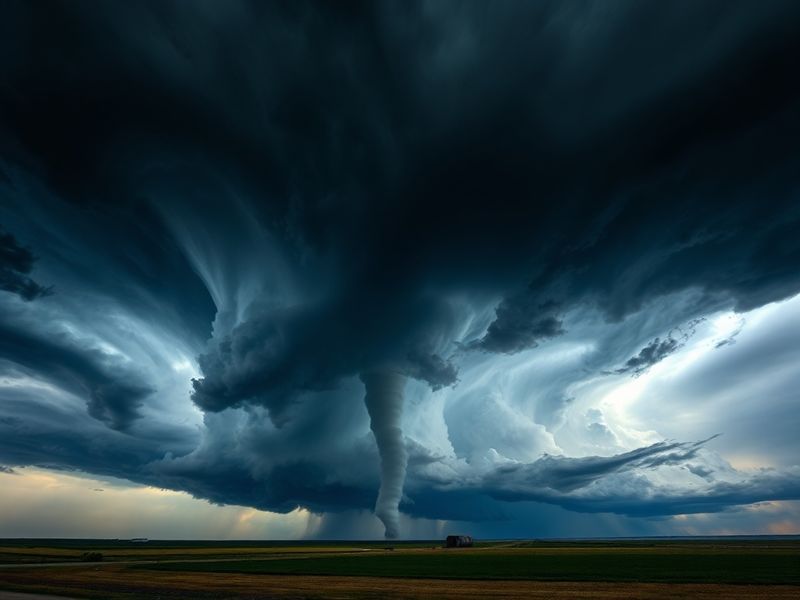
- Central Plains and Midwest: Severe thunderstorms, including supercells capable of producing tornadoes, are likely. The overlap of warm, moist air from the Gulf and cooler air masses from the north increases instability.
- Southwest and California: Persistent drought conditions raise wildfire concerns. The combination of high temperatures, low humidity, and gusty winds could lead to rapid fire spread, particularly in areas with dense vegetation.
- Northeast and Mid-Atlantic: While hurricane landfalls are less predictable this far out, the region remains vulnerable to remnants of tropical systems, which can bring heavy rainfall and flooding.
These regional forecasts are not isolated incidents but part of a larger trend. Over the past five years, the U.S. has experienced a 25% increase in billion-dollar weather disasters, according to NOAA data. The financial and human toll of these events underscores the need for proactive planning.
Climate Change and the Intensification of Weather Events
Scientists are increasingly linking the severity of recent weather events to climate change. Warmer air holds more moisture, which can lead to heavier rainfall and flooding. At the same time, shifting jet stream patterns are contributing to prolonged periods of extreme heat or cold in certain regions.
A study published in Nature Climate Change found that for every 1°C increase in global temperatures, the atmosphere can hold approximately 7% more water vapor. This relationship helps explain why storms like Hurricane Harvey in 2017 or the 2021 Pacific Northwest heat dome were so devastating. These events are no longer outliers but markers of a new normal.
The implications extend beyond immediate damage. Infrastructure strain, agricultural disruptions, and public health crises are all exacerbated by extreme weather. For instance, prolonged heatwaves increase the risk of heatstroke and respiratory issues, particularly in urban areas where the heat island effect is pronounced.
Preparedness and Response: How Communities Can Adapt
With the severe weather outlook pointing to heightened risks, preparedness becomes paramount. Local governments and residents must prioritize resilience strategies to mitigate potential impacts. Here are key steps for individuals and communities:
- Emergency Kits: Stock supplies such as water, non-perishable food, flashlights, batteries, and first-aid items. Include important documents and medications in a waterproof container.
- Communication Plans: Establish a family or community communication plan. Identify evacuation routes and meeting points in case of separation during a disaster.
- Home Hardening: For those in hurricane-prone areas, installing storm shutters, reinforcing garage doors, and securing outdoor furniture can reduce damage. In wildfire zones, creating defensible space around homes is critical.
- Community Resources: Stay informed through local weather alerts and emergency management websites. Participate in community drills or workshops focused on disaster preparedness.
- Insurance Review: Ensure homeowners or renters insurance covers severe weather events, including flooding. Consider purchasing additional flood insurance if living in a high-risk area.
Technology also plays a vital role in preparedness. Advances in weather modeling and early warning systems have improved lead times for severe weather alerts. For example, the National Weather Service’s Enhanced Radar (NEXRAD) provides real-time data on storm intensity and movement, giving communities precious extra minutes to take action.
Looking Ahead: The Long-Term Forecast
While short-term outlooks provide critical guidance, the long-term trajectory of severe weather remains a pressing concern. Climate models project that by 2050, the frequency of Category 4 and 5 hurricanes could increase by 50%, while heatwaves may become 3 to 5 times more likely in many regions. These projections demand a shift from reactive to proactive measures.
Investments in resilient infrastructure, such as flood barriers and heat-resistant building materials, are essential. Additionally, urban planning must prioritize green spaces and permeable surfaces to manage stormwater and reduce heat buildup. Policymakers at all levels of government need to integrate climate adaptation into long-term planning.
For individuals, staying informed and engaged with local climate initiatives can make a difference. Supporting policies that reduce greenhouse gas emissions or fund resilience projects contributes to broader efforts to combat climate change. After all, preparedness is not just about surviving the next storm—it’s about shaping a safer future.
As we navigate this season of uncertainty, one thing is clear: the interplay between natural variability and climate change is creating a new reality. The severe weather outlook is a reminder that adaptation is no longer optional. It is a necessity for survival and prosperity in the decades to come.
For more insights on severe weather preparedness and recovery, visit our Weather Safety and Disaster Preparedness category pages.