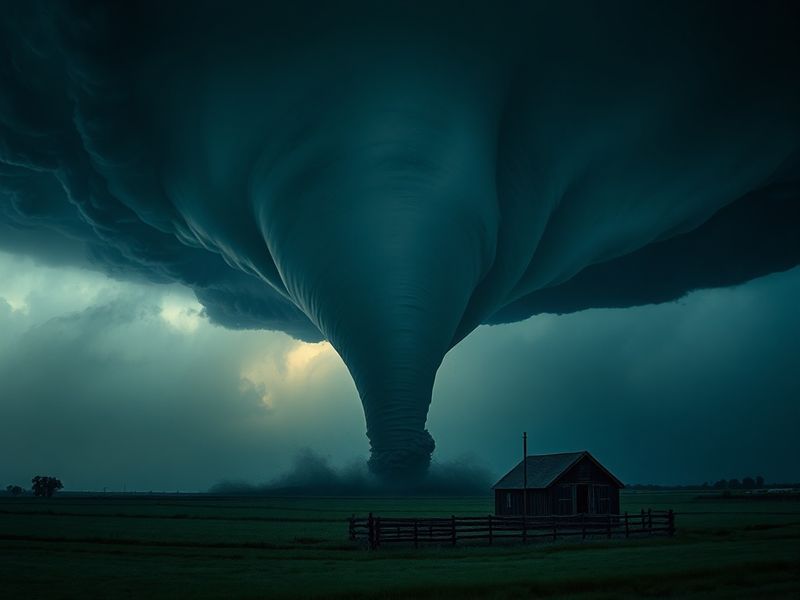
Tornado Near Me: Emergency Steps and Survival Tips
“`html
Tornado Near Me: What to Do When Danger Strikes Suddenly
When dark clouds spiral into a funnel shape or a local alert blares on your phone, the words “tornado near me” can freeze even the most prepared person in their tracks. These violent windstorms don’t announce their arrival with weeks of warning. Instead, they can touch down within minutes, leaving communities scrambling to respond. Understanding how to react in those critical moments isn’t just practical—it can save lives.
Why Tornadoes Form and Where They’re Most Common
Tornadoes develop from powerful thunderstorms known as supercells, where warm, moist air collides with cool, dry air. The clash creates rotating updrafts, which can tighten into a visible funnel cloud. While most tornadoes occur in the central United States—part of the infamous “Tornado Alley”—they’ve been reported in every state, including coastal regions and mountainous areas.
Recent data from the National Oceanic and Atmospheric Administration (NOAA) shows a subtle but concerning shift. Tornado activity appears to be increasing in the Southeast, earning the nickname “Dixie Alley.” This region includes states like Alabama, Mississippi, and Tennessee, where dense forests and hilly terrain can obscure visibility, making early detection even harder.
Climate change may be playing a role. Warmer temperatures can fuel more intense thunderstorms, while shifting jet streams alter storm tracks. While scientists caution against blaming every event on climate change, the frequency of strong tornadoes in areas once considered low-risk is prompting new discussions about preparedness.
Immediate Steps When You Hear “Tornado Near Me”
Seconds count when a tornado warning is issued. Unlike watches, which mean conditions are favorable, a warning means a tornado has been spotted or detected by radar. Acting immediately is not optional—it’s essential.
The safest place is a sturdy building’s interior room on the lowest floor, preferably without windows. Basements are ideal. If none exist, a small interior bathroom or closet works. Cover yourself with heavy blankets, mattresses, or even a helmet to shield against flying debris—the leading cause of tornado injuries.
If you’re outdoors or in a vehicle, abandon the car or mobile home. Vehicles and mobile homes are easily tossed by even weak tornadoes. Seek a ditch or low-lying area and lie flat, protecting your head. Never try to outrun a tornado in traffic; visibility can drop to zero in seconds.
Mobile phones now deliver real-time alerts through the Wireless Emergency Alerts (WEA) system. Make sure these notifications aren’t silenced. Local emergency management agencies also use sirens, social media, and smartphone apps like the American Red Cross’s Emergency app to broadcast warnings quickly.
Quick Action Checklist
- Listen: Keep a NOAA weather radio or smartphone alerts active at all times.
- Go: Move to a basement or interior room immediately upon warning—don’t wait to confirm.
- Cover: Use thick padding to protect your head and body from debris.
- Stay: Remain sheltered until the warning expires or officials confirm the threat has passed.
Broader Impact: How Communities Recover and Prepare
Tornadoes don’t just destroy buildings—they disrupt lives for months or years. In 2021, a single EF-4 tornado tore through Kentucky and Tennessee, killing 80 people and leaving thousands homeless. The storm damaged power grids, disrupted supply chains, and overwhelmed local hospitals. Recovery costs exceeded $4 billion, straining both state and federal resources.
Insurance coverage often falls short. Many homeowners in tornado-prone areas discover their policies exclude tornado damage or cap payouts far below rebuilding costs. This has led to calls for stronger building codes and better insurance transparency. In some cities, new construction now requires tornado-safe rooms or reinforced garages designed to withstand 200 mph winds.
Community resilience also depends on education. Schools in high-risk zones conduct regular tornado drills. Emergency responders train with drones to assess damage quickly. Neighbors organize “tornado buddy” systems, checking on elderly or disabled residents before and after storms. These efforts build trust and save time when every minute counts.
Looking Ahead: Technology and Forecasting Improvements
Advancements in radar technology are improving lead times. The latest dual-polarization Doppler radar systems can detect debris being lofted into the air—an early sign of a tornado on the ground. NOAA’s Warn-on-Forecast project aims to provide high-resolution warnings up to an hour before a storm hits, a massive leap from the current 13-minute average.
Drones equipped with thermal imaging are now used to survey damage without risking human lives. AI models analyze storm patterns and predict which supercells are most likely to produce tornadoes, allowing forecasters to issue targeted alerts. These tools don’t prevent tornadoes, but they give communities precious extra minutes to act.
Still, technology has limits. Rural areas often lack the infrastructure for advanced warning systems. Power outages can silence sirens and cell towers. That’s why grassroots preparedness remains vital. Simple steps—like storing a go-bag with water, flashlights, and important documents—can make recovery smoother.
Emerging Tools for Tornado Detection
- Phased Array Radar: Scans storms faster than traditional radar, offering near real-time updates.
- AI Storm Models: Machine learning algorithms analyze historical data to predict tornado likelihood with greater accuracy.
- Community Weather Stations: Low-cost sensors let residents contribute local data to improve forecasts.
- Emergency Apps: Apps like Storm Radar and NOAA Weather Radar provide location-based alerts and live tracking.
As climate patterns evolve, so must our approach to tornado safety. While we can’t stop these storms, we can stop them from becoming disasters. It starts with awareness, preparation, and a commitment to protecting one another—especially in the moments after someone nearby utters those chilling words: “There’s a tornado near me.”
Stay vigilant. Stay prepared. And remember: in the face of a tornado, seconds aren’t just numbers—they’re lives.
For more insights on disaster preparedness and emergency response, visit our News and Analysis sections on Dave’s Locker.