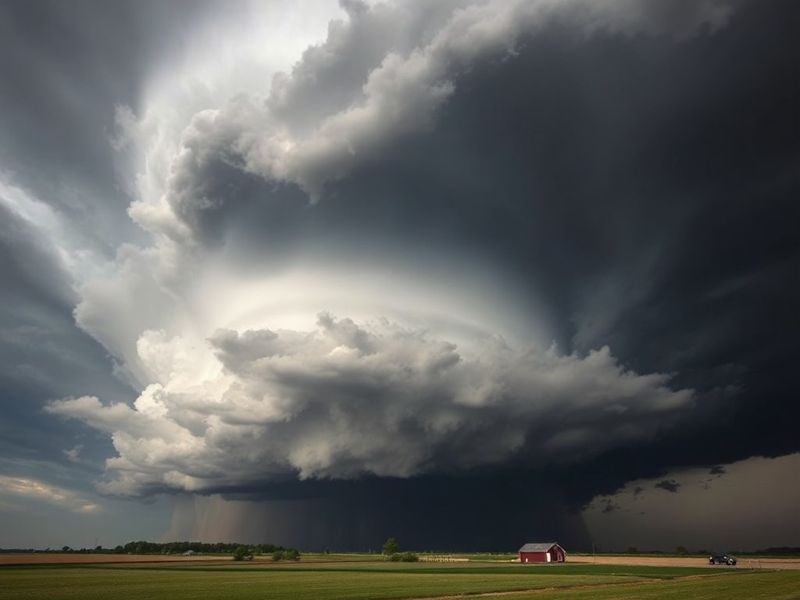
Tornado Watch Wisconsin: Severe Weather Alert Guide for Residents
“`html
Tornado Watch in Wisconsin: What Residents Need to Know
The National Weather Service has issued a tornado watch for multiple counties in Wisconsin as severe thunderstorms develop across the region. This alert comes as part of a larger weather system moving through the Midwest, bringing with it the potential for damaging winds, large hail, and isolated tornadoes. Residents are urged to stay vigilant and prepare for rapidly changing conditions.
Wisconsin has seen an increase in severe weather events over the past decade, with the state averaging 23 tornadoes per year according to data from the Wisconsin State Climatology Office. While tornadoes can occur at any time of year, they are most common between April and September, with June historically being the peak month. The current watch area includes several counties in southern and central Wisconsin, where atmospheric conditions are particularly favorable for rotation within thunderstorms.
Understanding the Current Weather Alert
A tornado watch means that conditions are favorable for the development of tornadoes in and around the watch area. Unlike a warning, which indicates that a tornado has been spotted or is imminent, a watch is a heads-up to remain alert. The National Weather Service typically issues tornado watches when there is strong wind shear, ample moisture, and instability in the atmosphere—ingredients that can spawn rotating supercell thunderstorms.
The current watch was issued at 2:45 PM CDT and is set to expire at 9:00 PM CDT. The affected counties include Dane, Columbia, Sauk, Juneau, and Adams, among others. The Storm Prediction Center has placed this region under an “enhanced risk” for severe weather, which is a level 3 out of 5 on their risk scale. This elevated risk category suggests that severe storms are likely to produce significant impacts, including tornadoes, damaging winds over 70 mph, and hail larger than golf balls.
Residents in these areas should review their severe weather plans immediately. This includes identifying the safest place in their home or workplace—a basement or interior room on the lowest floor is ideal—and ensuring that emergency supplies are readily available. Weather radios or smartphone alerts should be enabled to receive real-time updates, as conditions can change quickly during severe weather events.
Historical Context: Tornado Trends in Wisconsin
Wisconsin’s tornado history reveals a pattern of increasing frequency and intensity in recent years. Between 1980 and 2000, the state averaged 18 tornadoes annually. From 2001 to 2020, that number rose to 25 per year. The deadliest tornado in Wisconsin’s recorded history occurred on August 18, 2005, when an F3 tornado tore through the small town of Stoughton, killing one person and injuring 23 others. More recently, in 2022, the state experienced 29 tornadoes, including an EF-2 that caused significant damage in the city of Baraboo.
Climate scientists suggest that these trends may be linked to broader changes in atmospheric patterns. Warmer temperatures can increase the amount of moisture in the air, fueling stronger thunderstorms. Additionally, the jet stream’s behavior—often influenced by climate change—can create conditions that are more conducive to severe weather in the Midwest. While it’s difficult to attribute any single event to climate change, the data does indicate a shift in the frequency and intensity of severe storms across the region.
For those interested in historical tornado data, the Weather Analysis section on Dave’s Locker offers detailed breakdowns of past events, including interactive maps and damage assessments. Understanding these patterns can help residents and emergency planners better prepare for future storms.
How to Prepare for Severe Weather in Wisconsin
Preparation is key when severe weather threatens. The Wisconsin Emergency Management agency recommends the following steps to ensure safety during a tornado watch or warning:
- Stay Informed: Monitor local news outlets, NOAA Weather Radio, or reliable weather apps for real-time updates. Wireless Emergency Alerts (WEA) on smartphones can also provide critical warnings.
- Identify Shelter: If you live in a mobile home or vehicle, identify a sturdy building nearby where you can seek shelter immediately. Basements offer the best protection, but interior rooms on the lowest floor of a permanent structure are the next best option.
- Prepare an Emergency Kit: Include items such as water, non-perishable food, a flashlight, batteries, a first-aid kit, and any necessary medications. Having a portable charger for your phone can also be invaluable if power goes out.
- Secure Outdoor Items: Loose objects like patio furniture, grills, and trash cans can become projectiles in high winds. Bring these items indoors or secure them firmly if time allows.
- Have a Plan for Pets: Ensure your pets have collars with ID tags and that their carriers or leashes are easily accessible. Never leave pets outside during severe weather.
It’s also important to practice your severe weather plan with your family or household members. Conducting drills ensures that everyone knows where to go and what to do in the event of a tornado warning. Schools, businesses, and community centers should also review their emergency protocols regularly.
What Comes Next: Monitoring and Recovery
As the severe weather system moves through Wisconsin, residents should remain cautious even after the initial threat appears to pass. Tornadoes can form quickly, and secondary storms may develop in the hours following the primary event. The National Weather Service advises that the peak danger period often occurs in the late afternoon and evening, as temperatures and atmospheric instability reach their daily maximums.
After the storms have passed, it’s crucial to assess any damage carefully. Avoid downed power lines, which may still be energized, and report them to your local utility company immediately. Document any property damage with photos for insurance purposes, and be cautious when clearing debris, as sharp objects or broken glass may be hidden beneath fallen branches or materials.
For those who experience storm-related damage, resources are available to assist with recovery. The Federal Emergency Management Agency (FEMA) often provides aid to affected communities, and organizations like the American Red Cross offer shelter and support. Local news outlets and the Community Resources page on Dave’s Locker can provide updated information on where to find help.
The tornado watch serves as a reminder of the importance of being prepared year-round. While Wisconsin’s tornado season peaks in summer, severe weather can strike at any time. By staying informed, having a plan, and knowing where to find resources, residents can reduce the risks associated with these powerful storms.
As meteorologists continue to track the storm system’s progress, one thing is clear: vigilance and preparation can make all the difference when severe weather strikes. Keep your weather radio handy, stay alert, and prioritize safety above all else.