Understanding Tornado Watches in Wisconsin: What Residents Need to Know
Wisconsin’s spring and summer seasons bring more than just warmer temperatures—they also usher in the heightened risk of severe weather, including tornadoes. A tornado watch is a critical alert issued by the National Weather Service (NWS) when atmospheric conditions are favorable for the development of tornadoes in and around a specified area. For Wisconsin residents, these watches serve as early warnings to prepare for potential danger.
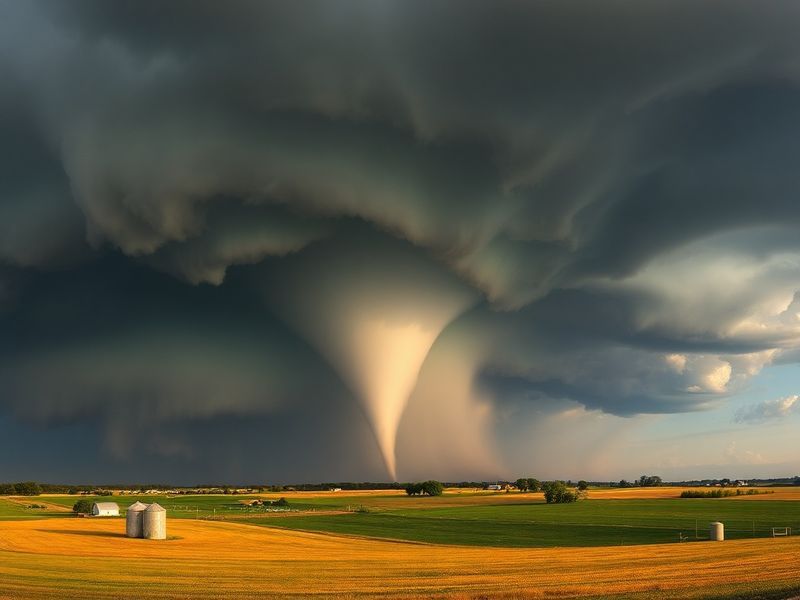
Unlike a tornado warning—which indicates a tornado has been spotted or detected by radar—a watch means the ingredients for tornado formation are present. This distinction is vital for understanding how to respond. Wisconsin, particularly its southern and central regions, falls within Tornado Alley’s northern extension, making it susceptible to these violent storms. The state averages around 23 tornadoes per year, though the actual number can vary dramatically from season to season.
How Tornado Watches Are Issued and What They Mean
The process of issuing a tornado watch begins with meteorologists analyzing data from satellites, weather balloons, and radar systems. They look for key indicators such as strong wind shear, instability in the atmosphere, and the presence of a triggering mechanism—often a cold front or dryline. Once these conditions align, the NWS issues a watch that typically covers a large area, often encompassing multiple counties or even entire regions.
For Wisconsin residents, a tornado watch usually remains in effect for several hours. During this time, it’s essential to stay alert and monitor local weather updates through trusted sources like NOAA Weather Radio, local news stations, or smartphone alerts. The NWS provides watch areas with detailed information on the potential timing and intensity of storms, which can help residents make informed decisions about their safety.
A tornado watch does not mean a tornado is imminent, but it does signal that conditions are ripe for development. This is the moment to review emergency plans, ensure safe rooms or basements are accessible, and gather supplies such as water, non-perishable food, flashlights, and a first-aid kit. Families should also identify the nearest sturdy shelter and practice getting to it quickly, as tornadoes can form within minutes.
The Cultural and Historical Context of Tornadoes in Wisconsin
Tornadoes have left an indelible mark on Wisconsin’s history, shaping both its landscape and its collective memory. One of the state’s most devastating tornadoes occurred on August 18, 2005, when an EF3 tornado tore through the small town of Stoughton, killing one person and injuring dozens. The storm caused millions of dollars in property damage, destroying homes and businesses in its path. Such events are etched into local lore, reminding residents of the unpredictable power of nature.
Wisconsin’s tornado history is also intertwined with broader patterns seen across the Midwest. The region’s geography, with its mix of flat plains and rolling hills, provides the ideal setting for the collision of warm, moist air from the Gulf of Mexico and cooler, dry air from Canada. This clash often fuels the supercell thunderstorms that can spawn tornadoes. While Wisconsin may not experience tornadoes as frequently as states like Oklahoma or Kansas, the storms that do form can be just as destructive.
Culturally, tornadoes have influenced everything from local architecture to emergency preparedness programs. Many homes in tornado-prone areas feature reinforced basements or storm shelters, a design choice that reflects both practical necessity and a cultural emphasis on resilience. Schools and workplaces regularly conduct tornado drills, ensuring that even the youngest residents understand the importance of taking shelter quickly. This cultural adaptation speaks to Wisconsin’s proactive approach to disaster management.
Globally, tornadoes are a phenomenon observed in various forms across continents, from the violent twisters of the American Midwest to the weaker but still damaging waterspouts seen in Europe. However, the United States remains the global hotspot for tornado activity, with around 1,200 tornadoes reported annually. Wisconsin’s position within this broader context highlights the shared challenges faced by communities worldwide when it comes to severe weather preparedness.
Global Perspectives on Tornado Preparedness and Response
While tornadoes are most commonly associated with the central United States, other countries have developed unique strategies for dealing with these unpredictable storms. In Canada, for example, tornado watches and warnings are issued by Environment and Climate Change Canada, which closely collaborates with the U.S. NWS to share data and improve forecasting accuracy. Similarly, parts of Europe, such as Germany and France, have experienced tornadoes, though they are less frequent and typically weaker than their American counterparts.
In Japan, a country more commonly associated with earthquakes and typhoons, tornadoes do occur—particularly in the wake of typhoon landfalls. The country’s meteorological agency has invested in advanced radar systems and public education campaigns to raise awareness about tornado risks. This global approach underscores the importance of international cooperation in weather monitoring and disaster response.
For Wisconsin residents, the lessons learned from other tornado-prone regions can be invaluable. For instance, after a devastating tornado struck the city of Moore, Oklahoma, in 2013, local officials implemented stricter building codes and improved early warning systems. Wisconsin could adopt similar measures to enhance its own resilience. Additionally, the use of social media and smartphone apps for real-time alerts has become a global standard, allowing residents to receive critical updates even when they’re on the go.
Another critical aspect of global tornado preparedness is community engagement. In Bangladesh, which experiences some of the deadliest tornadoes in the world due to high population density and poor infrastructure, NGOs and government agencies have launched programs to educate rural communities about early warning signs and safe shelter practices. While Wisconsin’s infrastructure is far more robust, the principle remains the same: education and preparation save lives.
What to Do When a Tornado Watch Is Issued
When a tornado watch is issued for Wisconsin, it’s time to act—not with panic, but with purpose. The first step is to gather information. Turn on a weather radio or check a trusted weather app for updates. Pay attention to the NWS’s detailed forecast, which will outline the timing, intensity, and potential path of storms. If you’re in an area with a high risk of tornadoes, consider relocating to a sturdier structure if you’re in a mobile home or a vehicle.
Next, prepare your home and family. Secure outdoor items that could become projectiles in high winds, such as patio furniture or grills. Move valuable or fragile items to interior rooms on lower floors. If you have a basement or storm shelter, ensure it’s clear of clutter and easily accessible. Families should also designate a meeting point in case they become separated during the storm.
A checklist can be helpful during this time. Consider the following steps:
- Identify your safest shelter location (basement, interior room without windows, or storm shelter).
- Gather emergency supplies, including water, non-perishable food, flashlights, batteries, a first-aid kit, and a portable phone charger.
- Stay informed through multiple sources, such as NOAA Weather Radio, local news, and smartphone alerts.
- Review your family’s emergency plan and ensure everyone knows what to do if a tornado warning is issued.
- If you’re driving or outdoors, seek sturdy shelter immediately. Vehicles and mobile homes are not safe during tornadoes.
It’s also important to stay calm and avoid unnecessary travel during a tornado watch. Roads can become hazardous as storms approach, and emergency services may be overwhelmed. Instead, use this time to finalize preparations and ensure your family is ready to act quickly if conditions worsen.
Looking Ahead: The Future of Tornado Watches and Climate Change
The frequency and intensity of severe weather events, including tornadoes, are topics of ongoing research, particularly in the context of climate change. While it’s difficult to attribute individual tornado outbreaks directly to global warming, scientists have observed trends that suggest a potential increase in severe weather activity in certain regions. Warmer temperatures can lead to greater atmospheric instability, a key ingredient for tornado formation.
For Wisconsin, this means that residents may need to prepare for a future where tornado watches become more common or where storms become more unpredictable. Local governments and meteorological agencies are already investing in improved forecasting technologies, such as dual-polarization radar and machine learning models, to enhance the accuracy of tornado watches and warnings. These advancements could provide residents with more lead time to take shelter, potentially saving lives.
Community resilience will also play a critical role in adapting to these changes. Programs that emphasize education, such as the NWS’s Skywarn spotter training, help residents recognize the signs of severe weather and report them to authorities. Additionally, urban planning initiatives that prioritize safe shelter access in both new and existing buildings can reduce the risk of injury during tornadoes.
Ultimately, the goal is to create a culture of preparedness that extends beyond individual households. Schools, workplaces, and public spaces should all have clear, regularly practiced tornado emergency plans. By fostering this collective mindset, Wisconsin can mitigate the impact of tornadoes and ensure that residents are ready to face whatever Mother Nature brings.
Conclusion
A tornado watch in Wisconsin is a reminder of the power of nature and the importance of preparation. While these alerts do not guarantee a tornado will strike, they signal a moment to take action—reviewing plans, gathering supplies, and staying informed. By understanding the science behind tornado watches, learning from global preparedness strategies, and fostering a culture of resilience, Wisconsin residents can navigate severe weather with confidence.
The state’s history of tornadoes serves as both a cautionary tale and a testament to human adaptability. From the devastating storms of the past to the advanced forecasting tools of today, Wisconsin continues to evolve in its approach to severe weather. For those who call the Badger State home, the key to safety lies in staying informed, prepared, and united in the face of nature’s unpredictability.